Experience relaxation and peace in your Jackson backyard with our proven mosquito control solution. Trusted by families in Jackson, our innovative approach not only repels mosquitoes but also establishes a durable barrier customized to your outdoor environment. Mosquito Shield of Southern New Jersey is dedicated to creating mosquito-free zones, so you can enjoy your outdoor spaces without interruption.
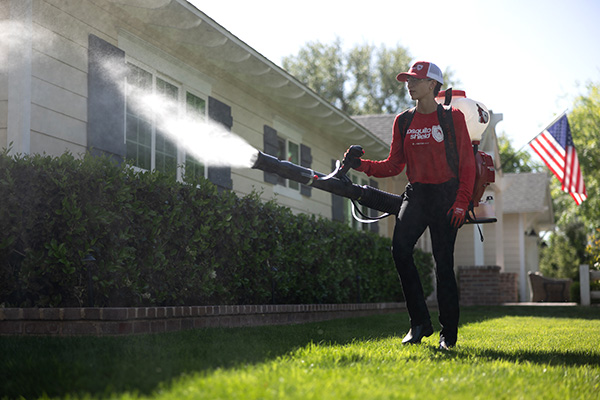
Effective mosquito control in Jackson, NJ, that drives mosquitoes away and keeps them out of your yard.

Enjoy mosquito-free outdoor time in Jackson with treatments designed to provide lasting results.
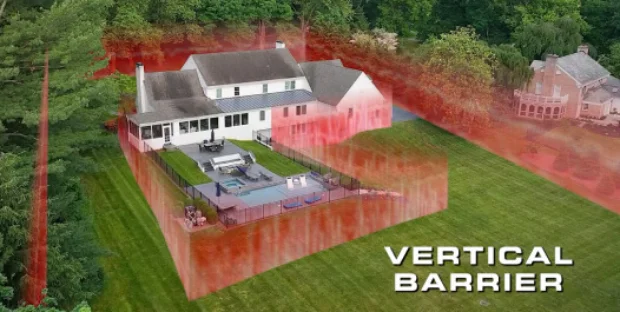
Highly rated mosquito control services in Jackson, trusted by residents to enhance outdoor living.
Different mosquito species vary in behavior, breeding habits, and peak activity times, which directly impacts how they show up around your property. Understanding these differences is key to targeting them effectively and maintaining consistent control throughout the season.
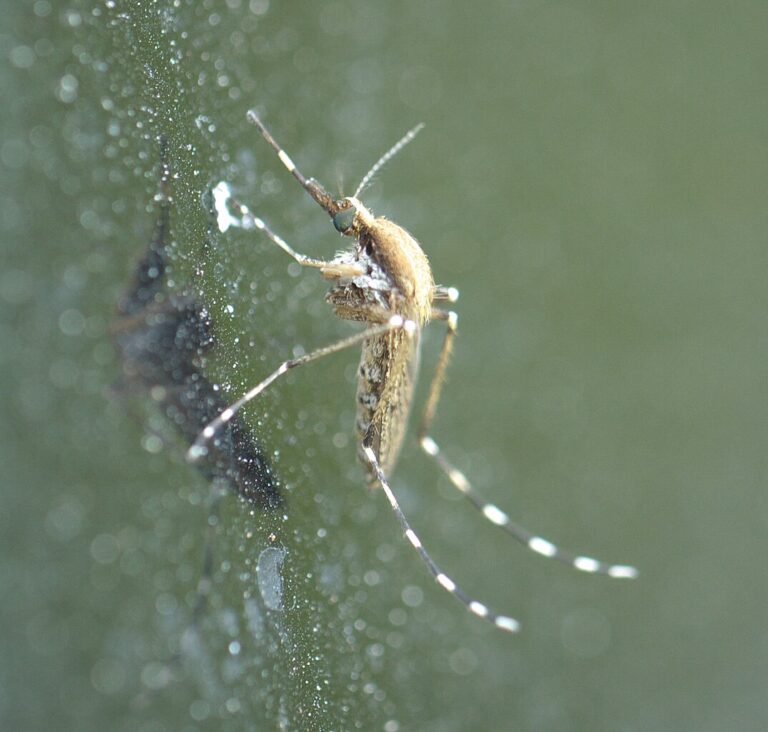
Identification: Medium-sized mosquito with dark scales and distinctive white banding on the legs.
Habitat: Found along coastal marshes, salt flats, and brackish wetlands—especially near the Jersey Shore.
Behavior: Very aggressive biter, active during dawn and dusk. Can travel up to 20 miles inland in search of hosts.
Health Risks: While not a major disease vector, its abundance and range make it a significant nuisance and contributor to regional biting pressure.
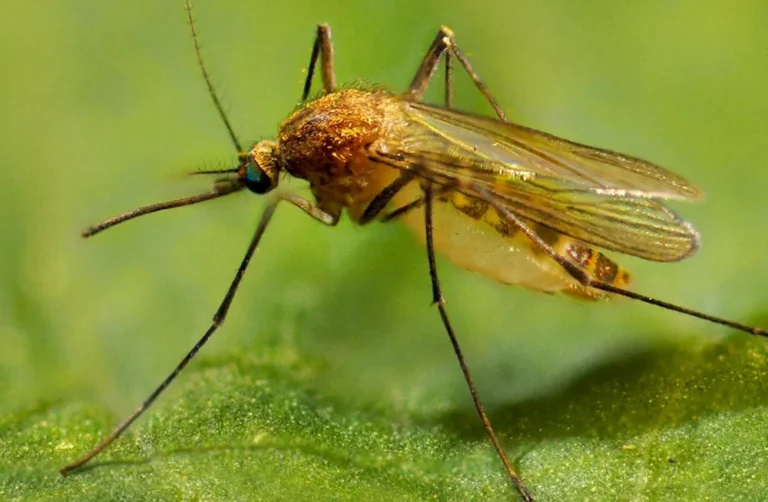
Identification: Small brown mosquito with a rounded abdomen and pale banding on its legs.
Habitat: Prefers polluted, stagnant water such as storm drains, old containers, and rain barrels—especially in urban and suburban areas.
Behavior: Nighttime biter; often enters homes and bites while people sleep.
Health Risks: Primary vector for West Nile virus in New Jersey. Also known to carry St. Louis encephalitis and other arboviruses.
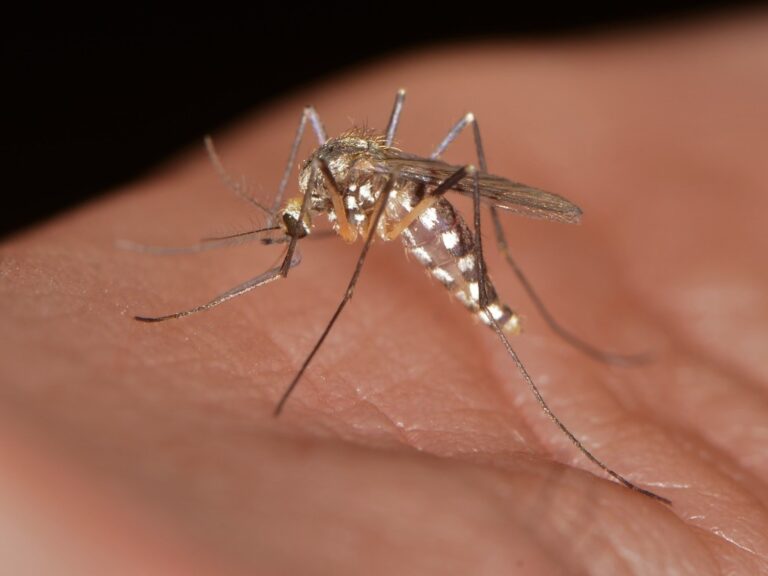
Identification: Dark mosquito with a silver-scaled thorax and narrow body.
Aedes triseriatus (Eastern Tree Hole Mosquito)
Habitat: Breeds in natural containers like tree holes and artificial ones like tires and buckets in shaded woodlands and backyards.
Behavior: Active during the day; females are aggressive and target mammals, including humans.
Health Risks: Primary vector of La Crosse encephalitis, which can be especially dangerous for children.
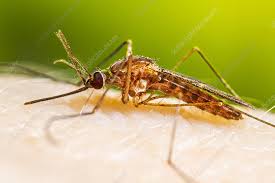
Identification: Brown mosquito with four dark spots on each wing and a distinctive resting posture (body angled away from surface).
Habitat: Clean, slow-moving freshwater sources like ponds, lakes, and forested wetlands.
Behavior: Bites at dusk and dawn; rests indoors or in cool, damp areas.
Health Risks: Historically a malaria vector, though not a current threat in New Jersey. Still contributes to nuisance biting in rural and semi-rural areas.


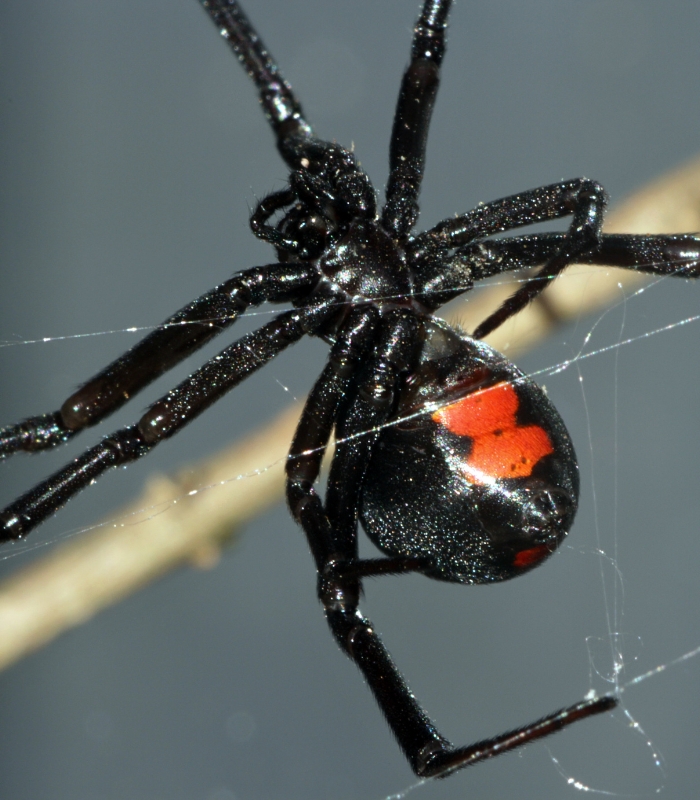
In Southern NJ, spiders can quickly turn a peaceful outdoor space into a tangled mess. While most species are harmless, their presence and the webs they leave behind can be a persistent nuisance for homeowners from the Pinelands to the Shore.
Spider activity isn’t just about the “creep factor” heavy infestations can lead to unsightly debris and may indicate an underlying pest problem that’s providing them with a steady food supply. Our specialized treatments target spider harborages, including foundation perimeters, window frames, and crawl spaces. We focus on clearing existing webs and applying a protective barrier to discourage new spiders from moving in, keeping your Southern NJ home clean and comfortable year-round.
Jackson, New Jersey, is a sprawling community in Ocean County known for its wooded neighborhoods, expansive outdoor spaces, and active lifestyle. With access to the Colliers Mills Wildlife Management Area, local parks, and neighborhood green spaces, residents spend much of the year enjoying patios, pools, and outdoor recreation. However, Jackson’s warm climate, seasonal rainfall, and proximity to dense forests and water sources create favorable conditions for mosquito and tick activity throughout much of the year.
Residents of Jackson face seasonal risks from mosquito borne illnesses such as West Nile Virus and Zika Virus, along with tick borne diseases including Lyme disease and Rocky Mountain Spotted Fever. With backyard entertaining, outdoor gatherings, and community managed amenities central to the area’s lifestyle, proactive mosquito and tick control supports comfortable outdoor environments.
To help reduce mosquito and tick activity, residents are encouraged to:

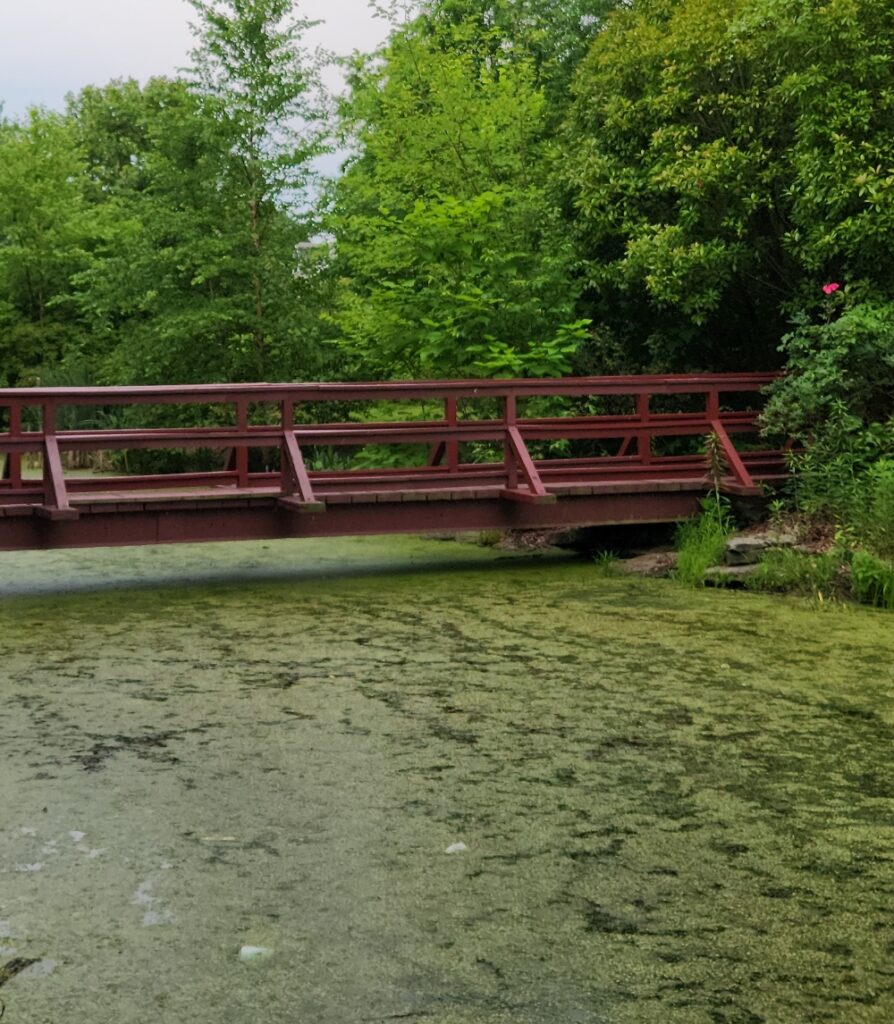
Jackson experiences hot summers and mild winters, contributing to an extended mosquito and tick season that often begins in early spring and can continue well into the fall. Periodic heavy rainfall, local humidity, irrigation systems, and neighborhood retention ponds create standing water, while shaded greenbelts and Pine Barrens environments provide suitable habitats for ticks.
Key Factors Influencing Pest Activity:
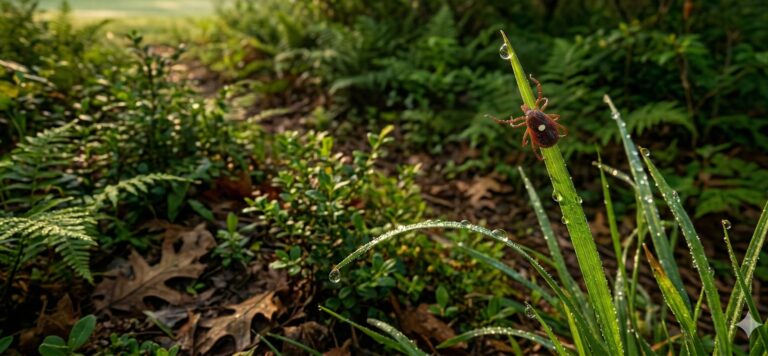
Alpha-gal syndrome is a serious, potentially life-threatening allergic condition. Unlike most food allergies, which are often genetic or appear in childhood...
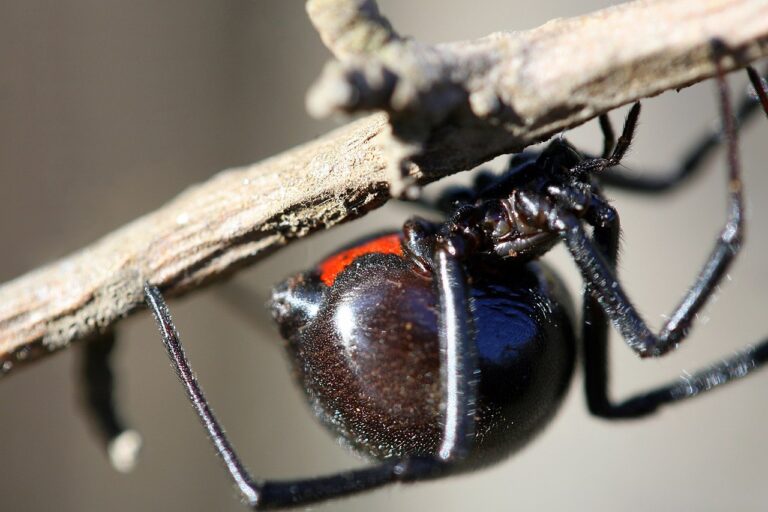
Ants and spiders are among the most consistently encountered household pests in the region, with activity rising when warm, moist conditions support population growth.
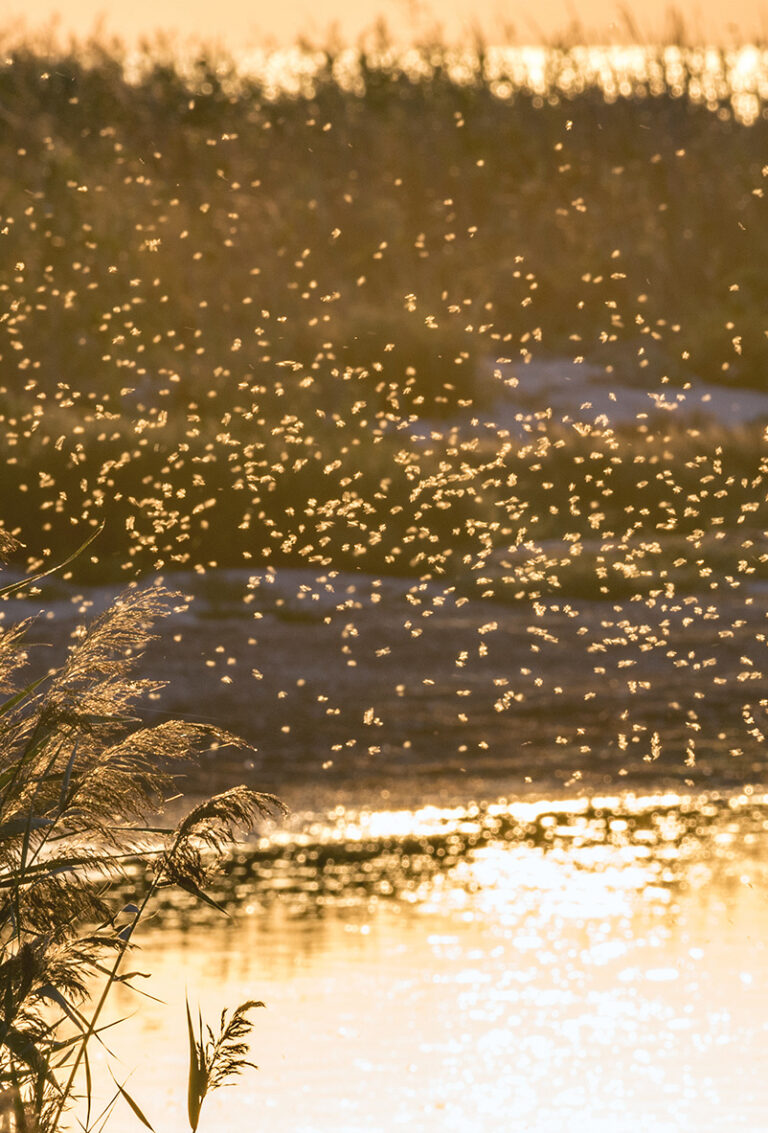
Weather plays a major role in determining when mosquitoes emerge, how rapidly they reproduce, and which species dominate throughout the year.