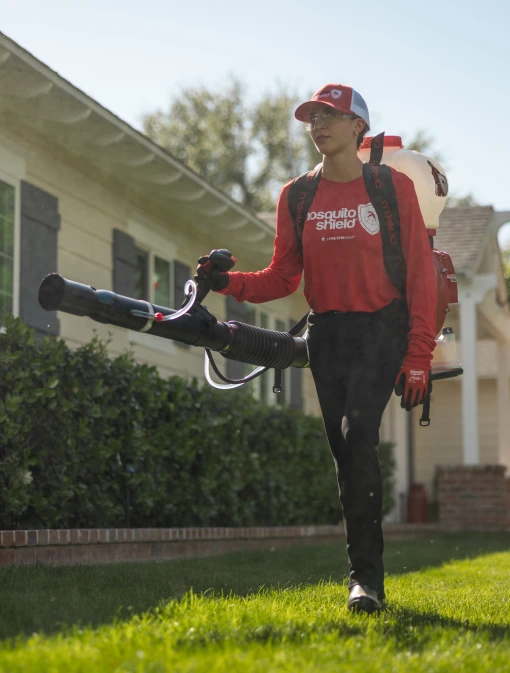
Experience relaxation and peace in your Forked River backyard with our proven mosquito control solution. Trusted by families in Forked River, our innovative approach not only repels mosquitoes but also establishes a durable barrier customized to your outdoor environment. Mosquito Shield of Southern New Jersey is dedicated to creating mosquito-free zones, so you can enjoy your outdoor spaces without interruption.
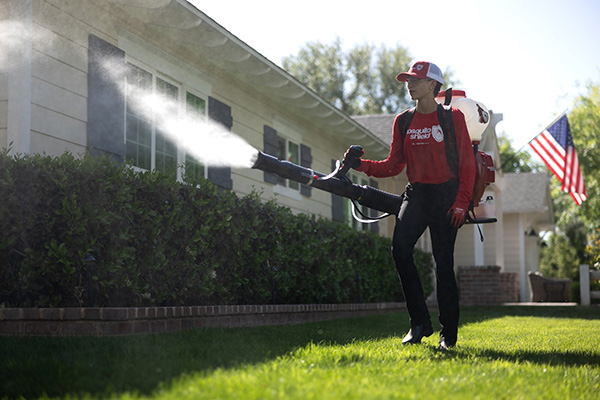
Effective mosquito control in Forked River, NJ, that drives mosquitoes away and keeps them out of your yard.

Enjoy mosquito-free outdoor time in Forked River with treatments designed to provide lasting results.
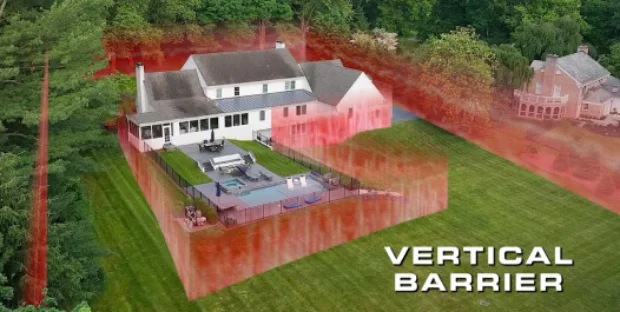
Highly rated mosquito control services in Forked River, trusted by residents to enhance outdoor living.
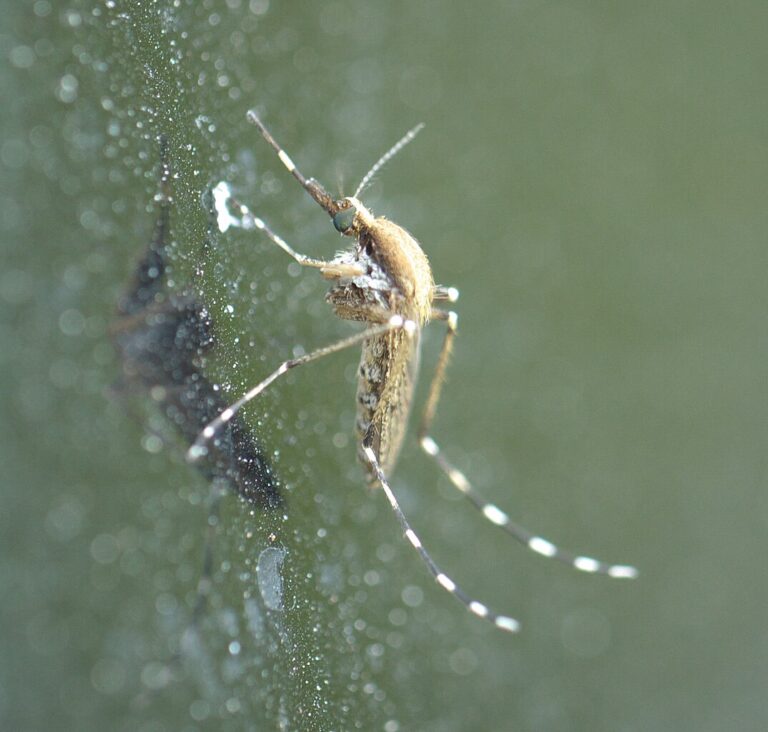
Identification: Medium-sized mosquito with dark scales and distinctive white banding on the legs.
Habitat: Found along coastal marshes, salt flats, and brackish wetlands—especially near the Jersey Shore.
Behavior: Very aggressive biter, active during dawn and dusk. Can travel up to 20 miles inland in search of hosts.
Health Risks: While not a major disease vector, its abundance and range make it a significant nuisance and contributor to regional biting pressure.
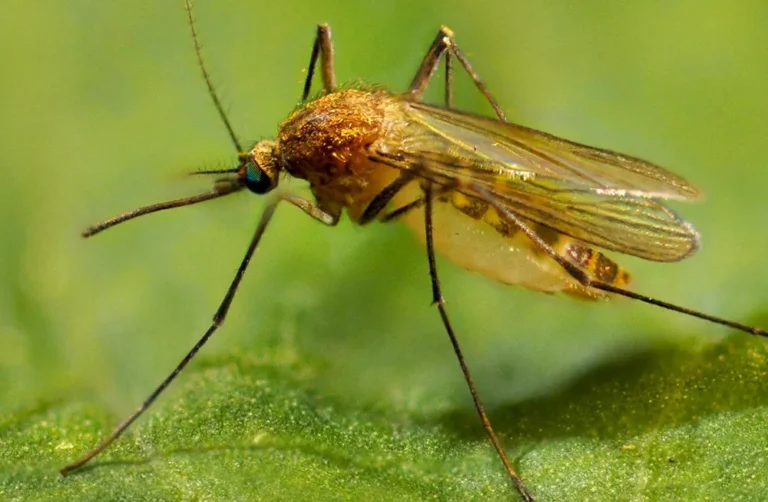
Identification: Small brown mosquito with a rounded abdomen and pale banding on its legs.
Habitat: Prefers polluted, stagnant water such as storm drains, old containers, and rain barrels—especially in urban and suburban areas.
Behavior: Nighttime biter; often enters homes and bites while people sleep.
Health Risks: Primary vector for West Nile virus in New Jersey. Also known to carry St. Louis encephalitis and other arboviruses.
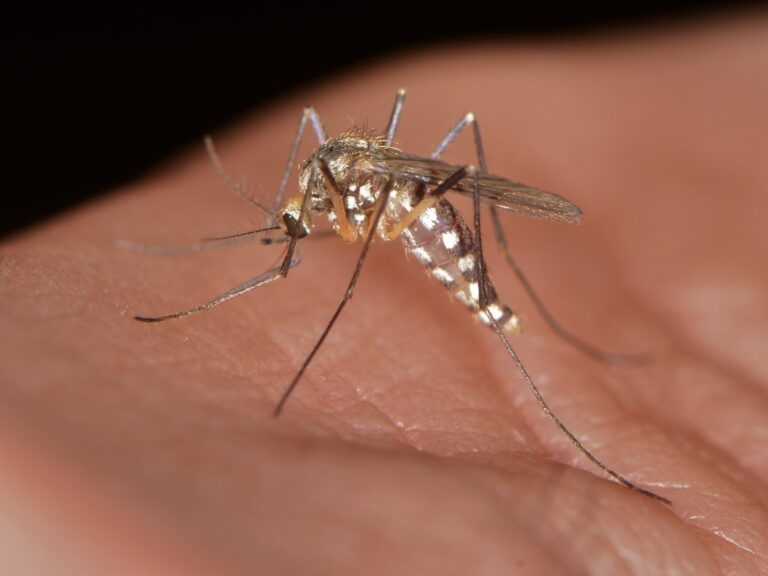
Identification: Dark mosquito with a silver-scaled thorax and narrow body.
Aedes triseriatus (Eastern Tree Hole Mosquito)
Habitat: Breeds in natural containers like tree holes and artificial ones like tires and buckets in shaded woodlands and backyards.
Behavior: Active during the day; females are aggressive and target mammals, including humans.
Health Risks: Primary vector of La Crosse encephalitis, which can be especially dangerous for children.
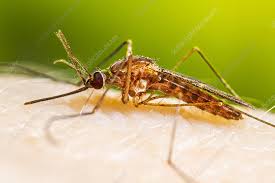
Identification: Brown mosquito with four dark spots on each wing and a distinctive resting posture (body angled away from surface).
Habitat: Clean, slow-moving freshwater sources like ponds, lakes, and forested wetlands.
Behavior: Bites at dusk and dawn; rests indoors or in cool, damp areas.
Health Risks: Historically a malaria vector, though not a current threat in New Jersey. Still contributes to nuisance biting in rural and semi-rural areas.
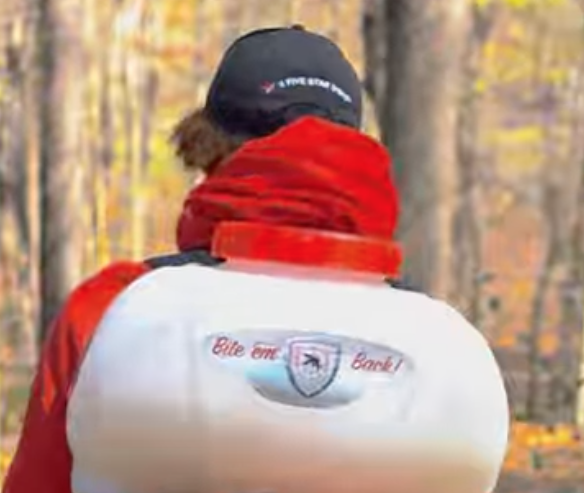

Forked River, New Jersey, is a waterfront community within Lacey Township in Ocean County, known for its quiet neighborhoods, marinas, and easy access to Barnegat Bay. With nearby lagoons, wooded areas, and coastal parks, residents enjoy spending time outdoors throughout the warmer months. However, the area’s coastal humidity, tidal waterways, and frequent rainfall create favorable conditions for mosquito and tick activity during much of the season.
Residents of Forked River face seasonal risks from mosquito borne illnesses such as West Nile Virus and Zika Virus, as well as tick borne diseases like Lyme disease and Rocky Mountain Spotted Fever. Given the community’s proximity to water and emphasis on outdoor living, proactive mosquito and tick control supports comfort and overall quality of life.
To help reduce mosquito and tick activity, residents are encouraged to:
Remove standing water around properties, including in gutters, planters, and outdoor containers.
Use insect repellent and wear protective clothing during peak mosquito hours in the early morning and evening.
Schedule recurring professional mosquito and tick treatments to maintain enjoyable outdoor spaces.

Forked River experiences warm, humid summers and relatively mild winters, resulting in a mosquito and tick season that typically extends from late spring through early fall. Coastal moisture, residential irrigation, and nearby wetlands contribute to standing water, while shaded yards and natural vegetation support tick activity.
Key Factors Influencing Pest Activity:
Mosquitoes and Coastal Water Features: Proximity to Barnegat Bay, lagoons, drainage areas, and backyard water features increases mosquito activity during warmer months.
Ticks and Wooded Areas: Tree lined properties, brush, and nearby natural spaces create suitable habitats for ticks, especially in spring and early fall.