

Ticks concentrate in specific areas. Our technicians treat key hotspots during every visit:

Dense, shaded environments where ticks commonly gather.
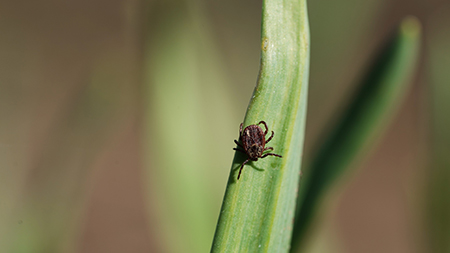
Provides cover while ticks wait for a host.

Low branches allow ticks to transfer easily onto people and pets.

Piles of leaves can harbor ticks for extended periods
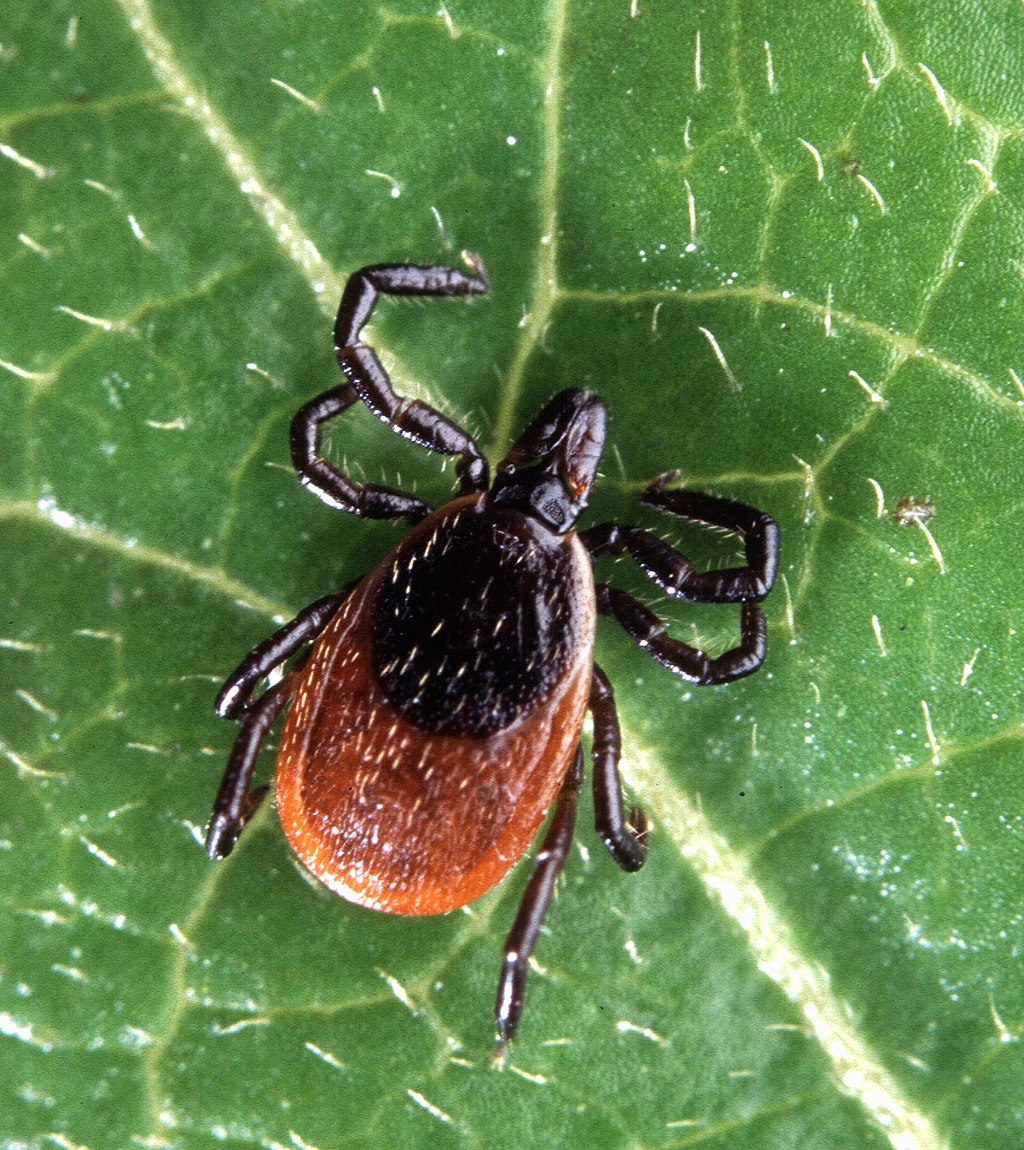
Common throughout North Attleboro's woodlands, these tiny ticks are reddish-brown with dark legs. Nymphs are especially active in late spring and early summer.
Where Found: Wooded trails, leaf piles, stone walls, and shady backyard edges.
Health Risks: Primary vector for Lyme disease, along with anaplasmosis, babesiosis, and Powassan virus.
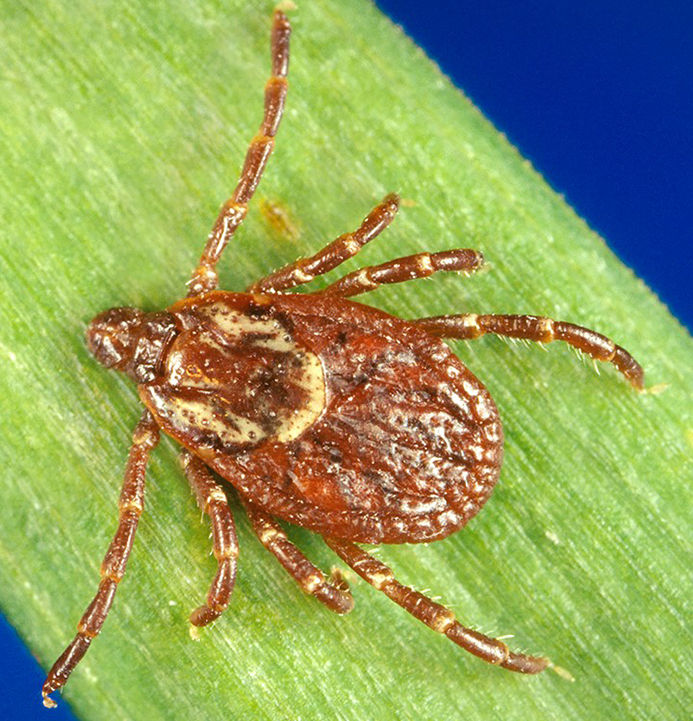
Larger and more robust, these ticks are reddish-brown with silver patterns on their backs.
Where Found: Fields, walking paths, and open wooded areas, especially around dog parks and trailheads.
Health Risks: Can transmit Rocky Mountain spotted fever and tularemia. Though not Lyme carriers, their bites can still cause irritation.
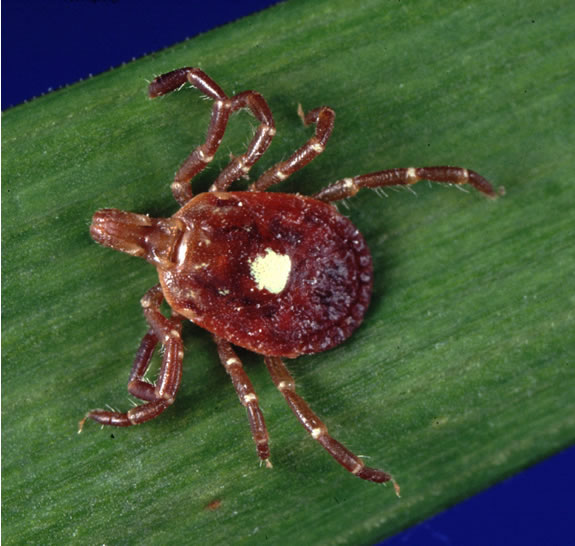
Spotted occasionally in southeastern Massachusetts, including warmer parts of Bristol County. Females feature a distinctive white dot on their back.
Where Found: Expanding into local wooded areas with heavy deer traffic.
Health Risks: Known to cause allergic reactions and transmit ehrlichiosis and tularemia.