North Attleboro sits in a region where suburban neighborhoods, wooded areas, conservation land, and river corridors intersect. Combined with humid summers, frequent rainfall, and mild shoulder seasons, these conditions support consistent tick activity across Bristol County. While winter cold slows activity, many ticks survive beneath leaf litter and reemerge once temperatures rise in spring.
Tick encounters in North Attleboro are common from early spring through late fall, especially in yards, parks, and properties bordering wooded or brush-heavy areas.
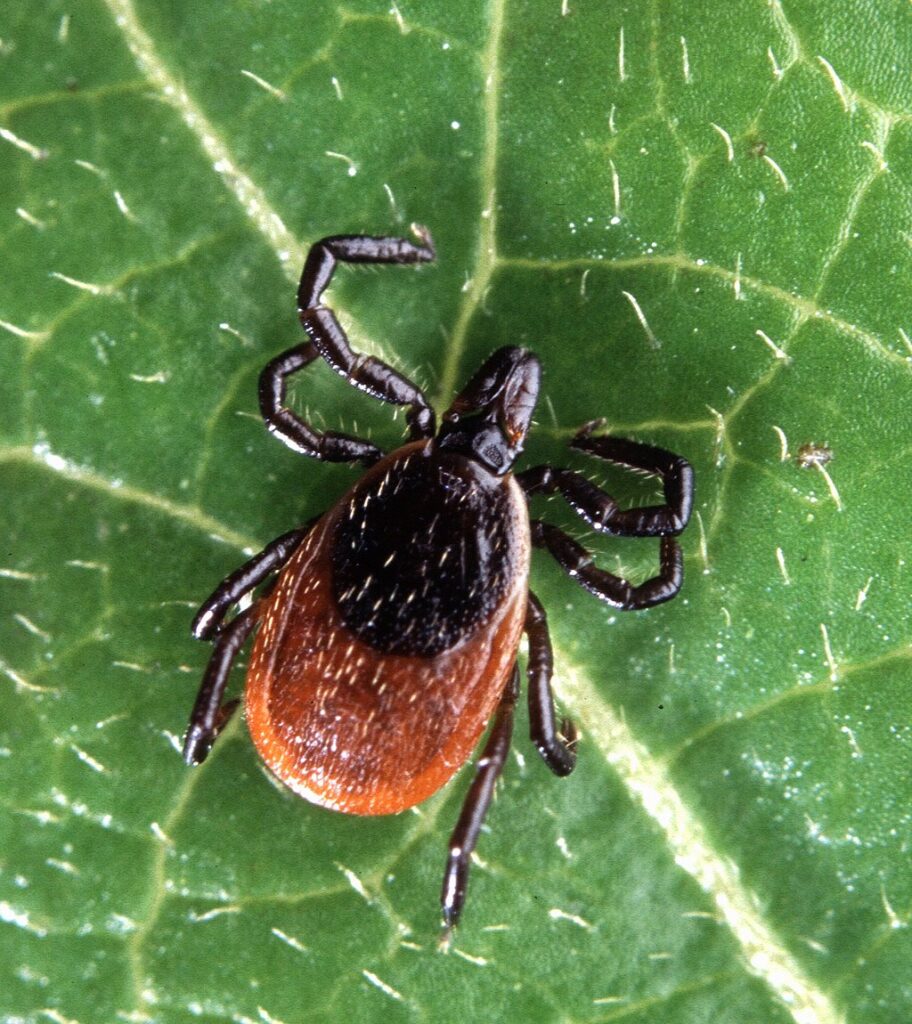
The most common and medically significant tick species in eastern Massachusetts.
Key traits:
Prefers wooded areas, leaf litter, and shaded yard edges
Nymphs are extremely small and most active in spring and early summer
Adult ticks peak again in fall
Known to transmit Lyme disease, anaplasmosis, and babesiosis
Frequently found in areas with deer and rodent activity
Widespread throughout southeastern Massachusetts, including North Attleboro.
Key traits:
Most active from late spring through summer
Found in grassy fields, trails, park edges, and roadside vegetation
Primary vector for Rocky Mountain spotted fever in Massachusetts
Larger size makes it easier to detect on people and pets
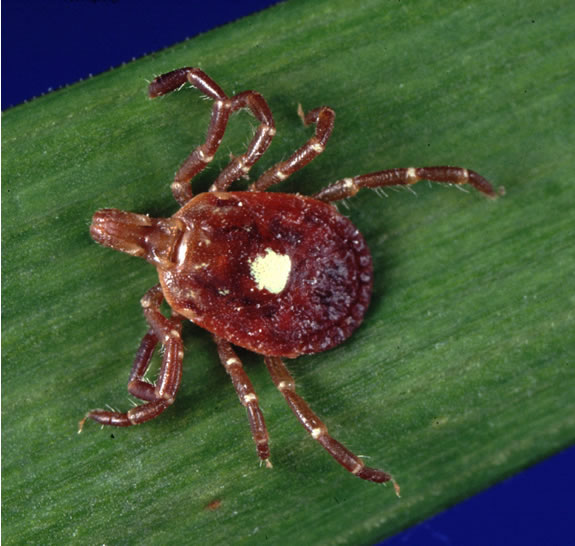
Increasingly reported in Massachusetts in recent years.
Key traits:
Adult females display a white “lone star” marking
Aggressive host-seeking behavior compared to other ticks
Expanding northward due to warming seasonal trends
Known to transmit ehrlichiosis
Associated with alpha-gal syndrome, a red meat sensitivity linked to tick bites
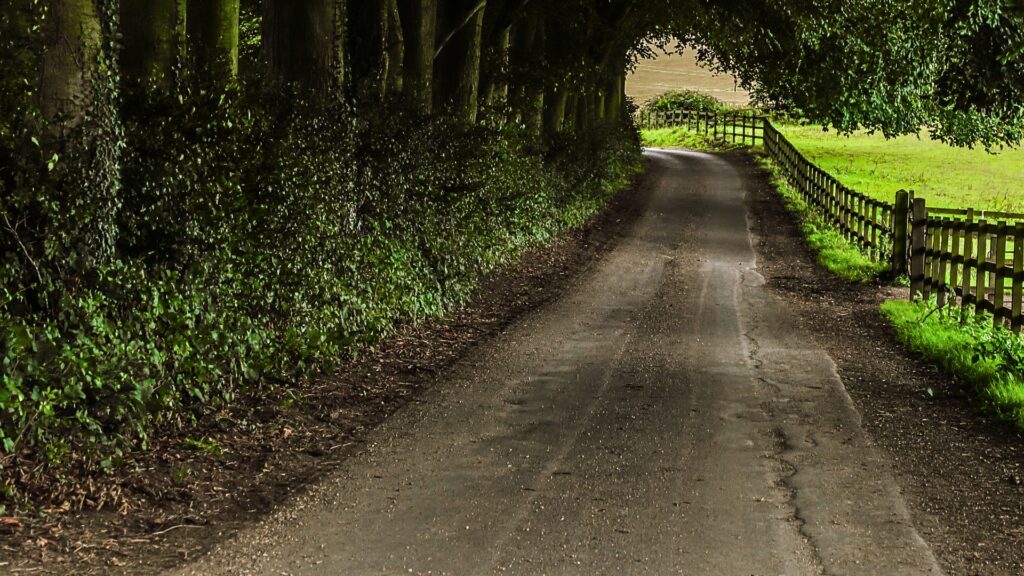
Residents are more likely to encounter ticks in:
Wooded neighborhoods and forest edges
Conservation areas and walking trails
Overgrown yards and unmanaged property lines
Areas near rivers, wetlands, and drainage corridors
Properties with frequent deer or rodent activity
Dog walking routes and outdoor recreation spaces
Early Spring: Nymph-stage deer ticks become active as temperatures rise
Late Spring–Summer: American dog ticks are more common in open areas
Fall: Adult deer ticks and lone star ticks are active again
Winter: Activity slows, but ticks can survive under leaf litter and snow