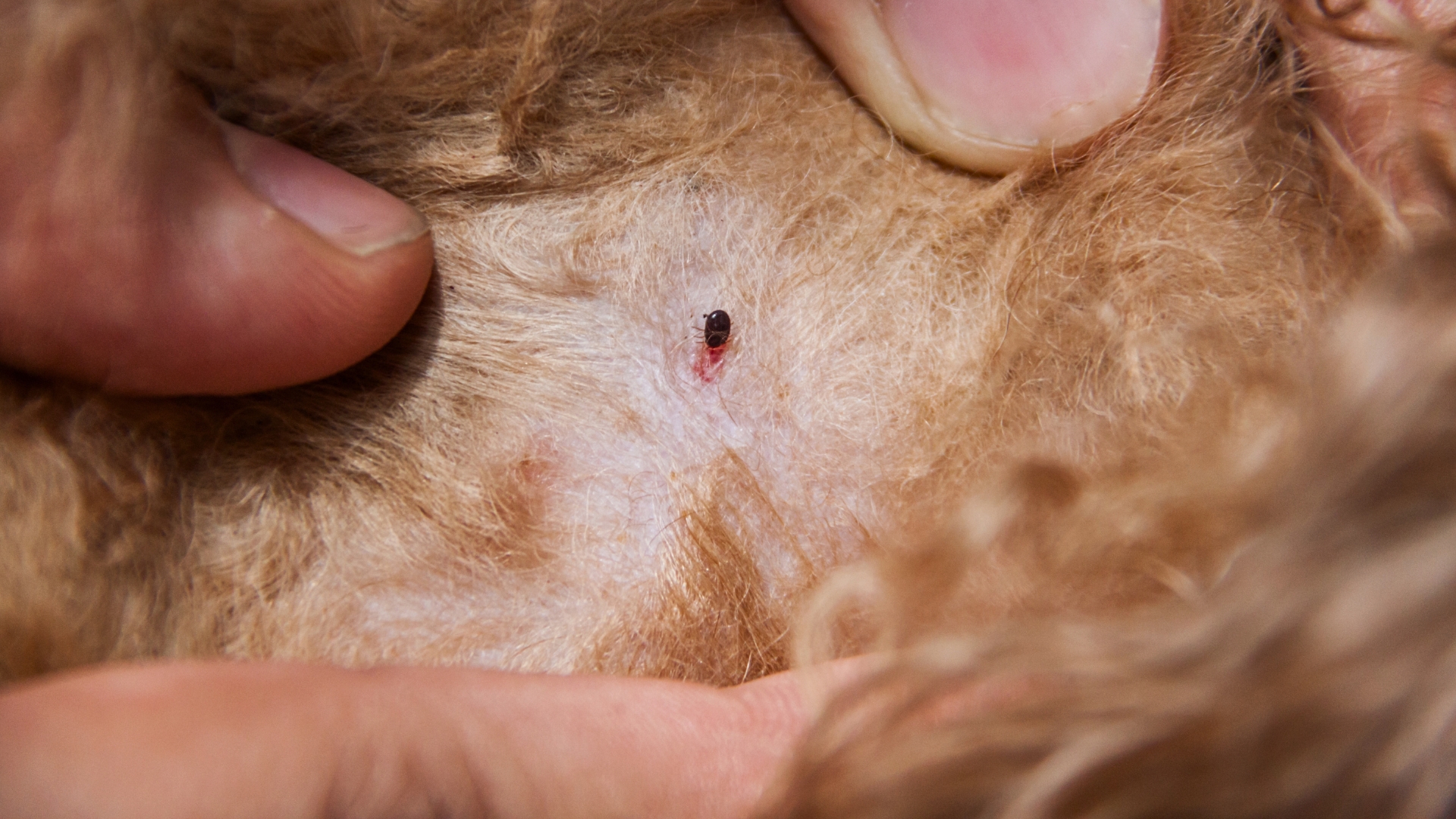
Flea management across the Oklahoma City metropolitan area presents distinct environmental, biological, and structural challenges.
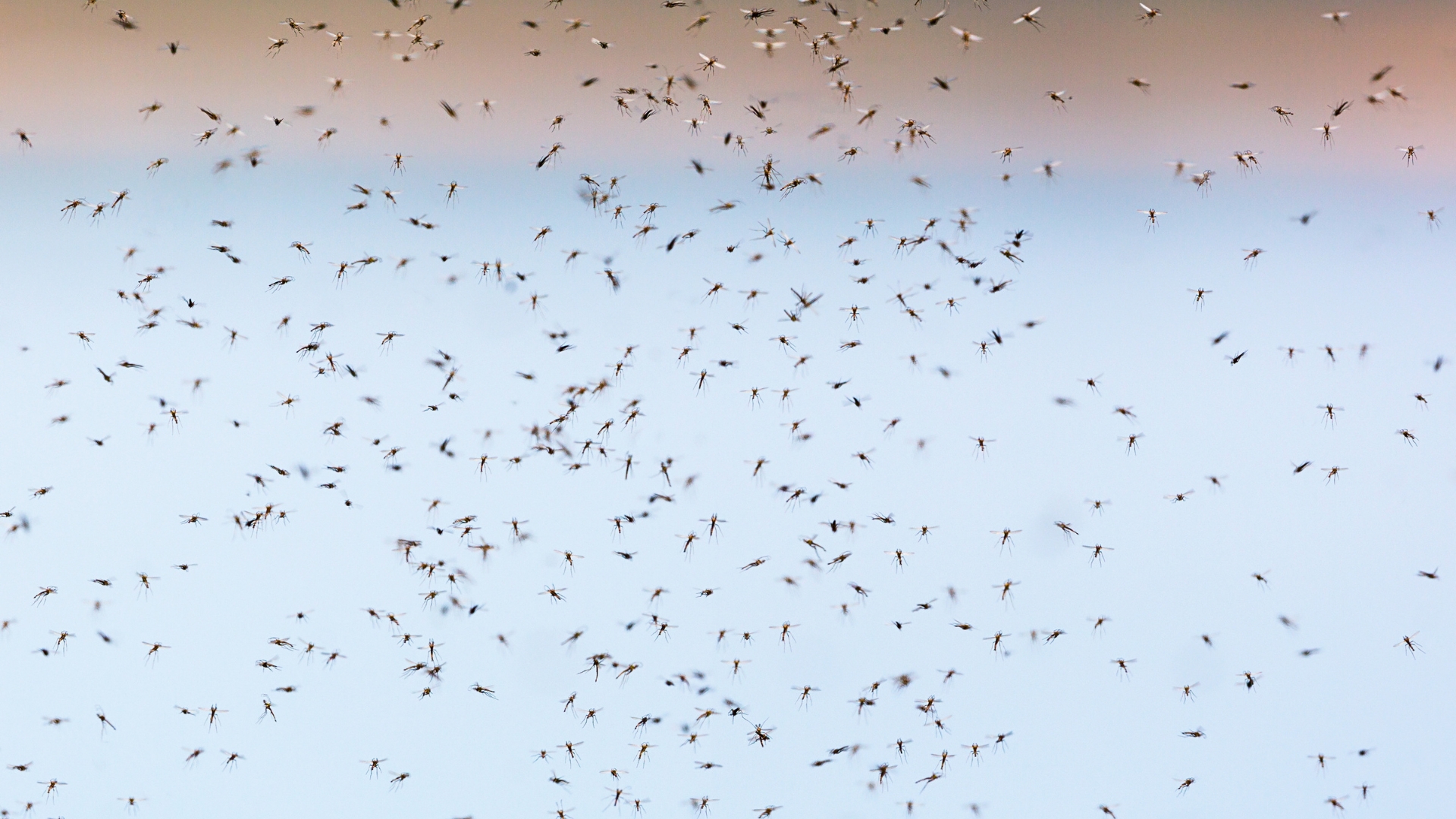
The 2026 mosquito season in Oklahoma City is defined by a significant meteorological transition: the shift from a prolonged La Niña phase to a forecasted moderate-to-strong El Niño...
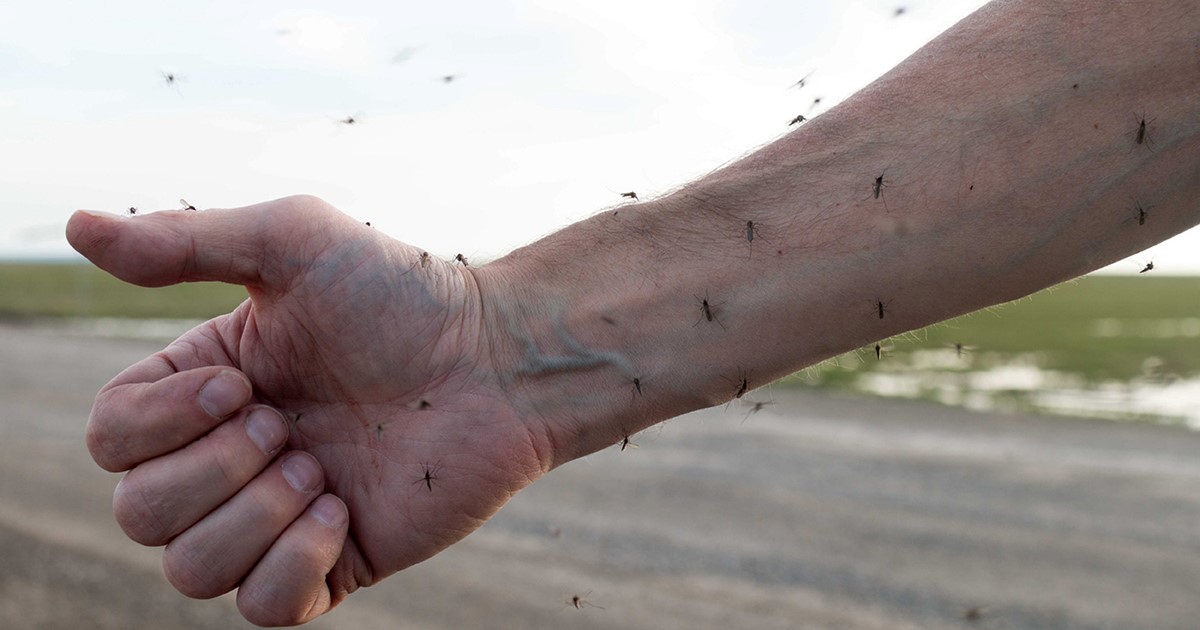
By the time you are counting bites, the population has already established a breeding cycle on or near your property.
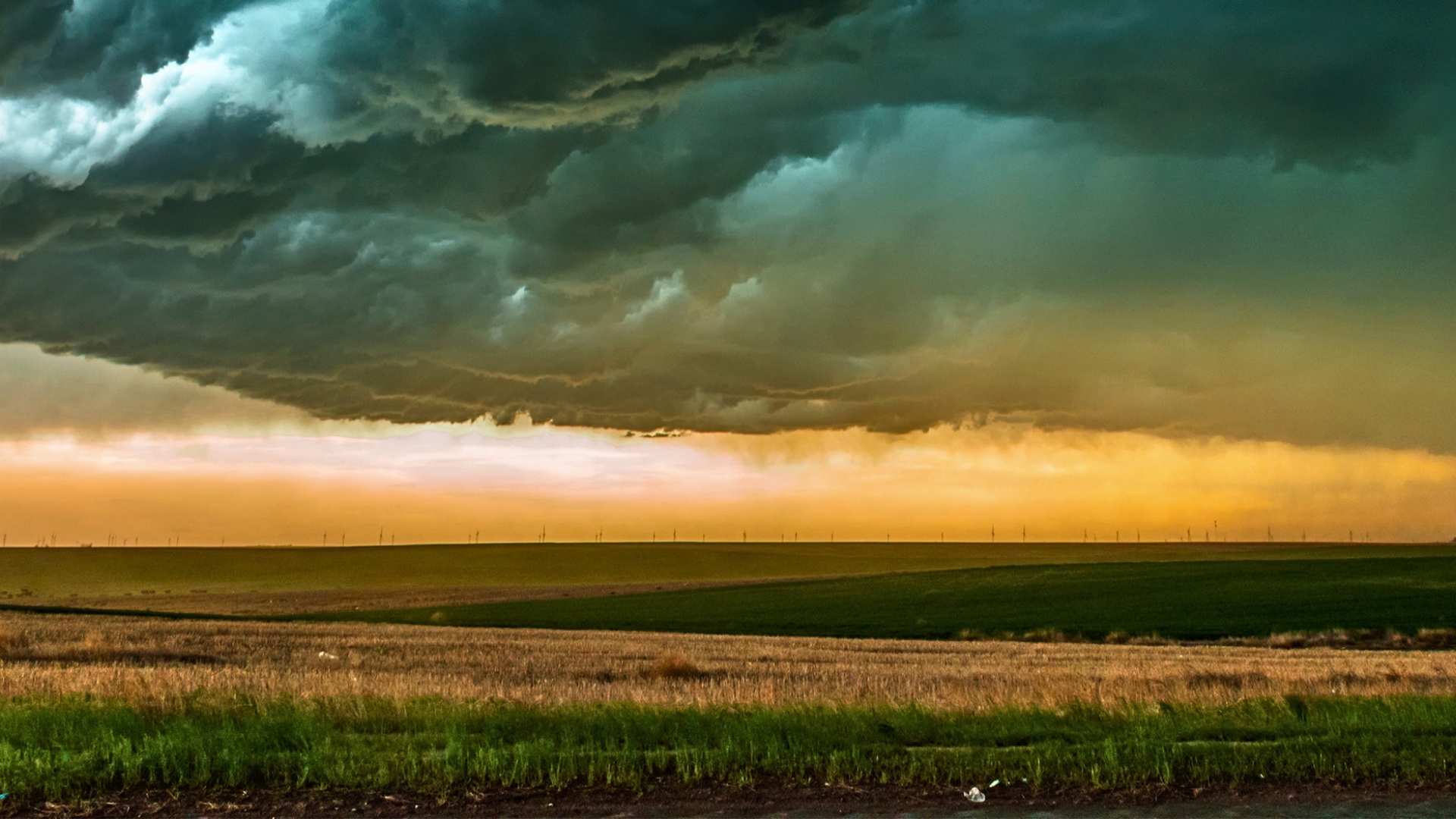
The Oklahoma City (OKC) area is a known hotspot for several significant pathogens. Unlike coastal regions, the risks here are heavily influenced by the "clash of air masses" that defines the state's weather.
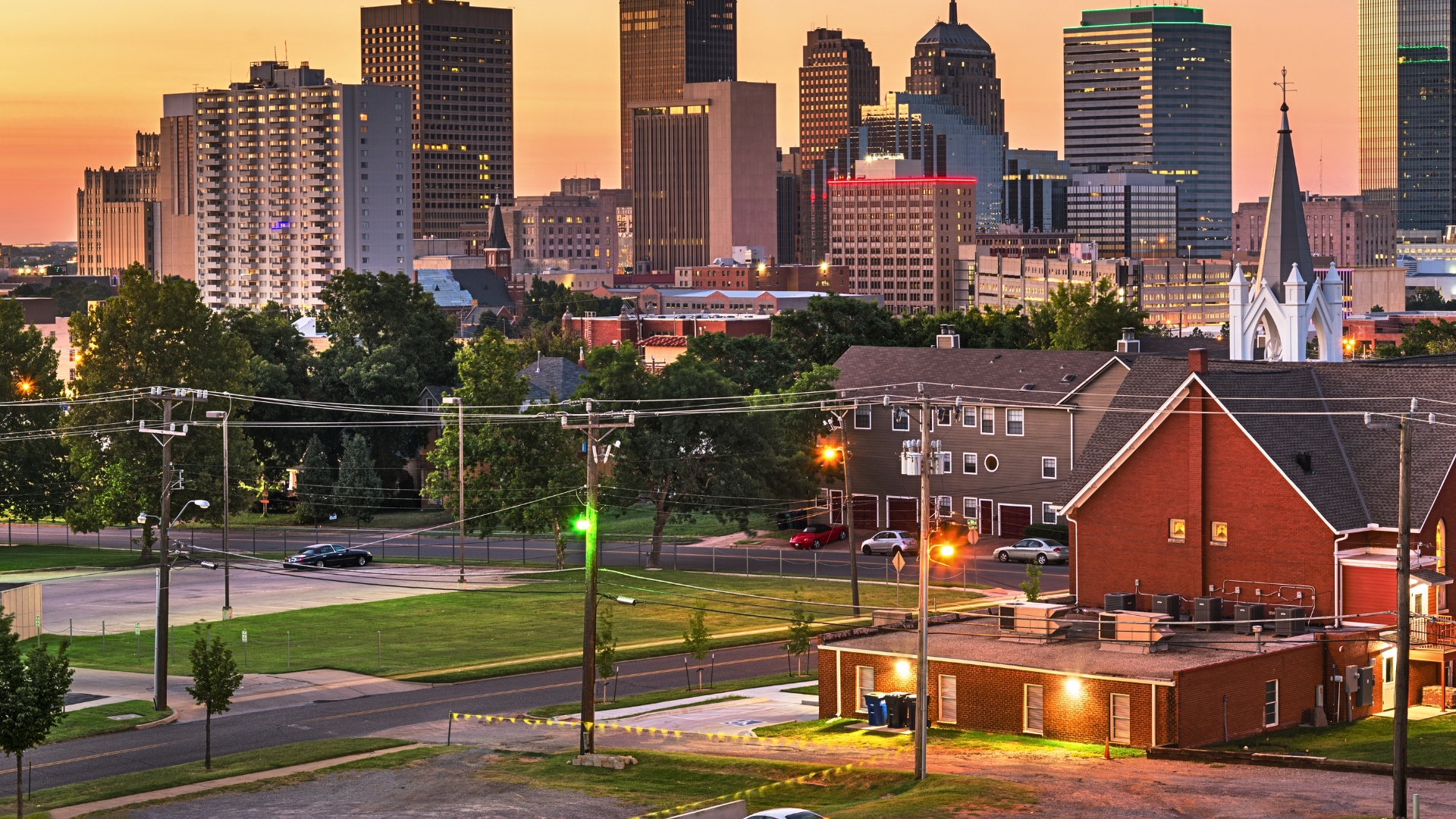
Oklahoma City sits in a weather transition zone where humid southern air meets dry Great Plains winds.

Oklahoma City sits in a weather transition zone where humid southern air meets dry Great Plains winds.

Oklahoma City’s landscape from its urban neighborhoods and greenbelts to its surrounding plains, creeks, and reservoirs supports a wide variety of mosquito species throughout the warm season.
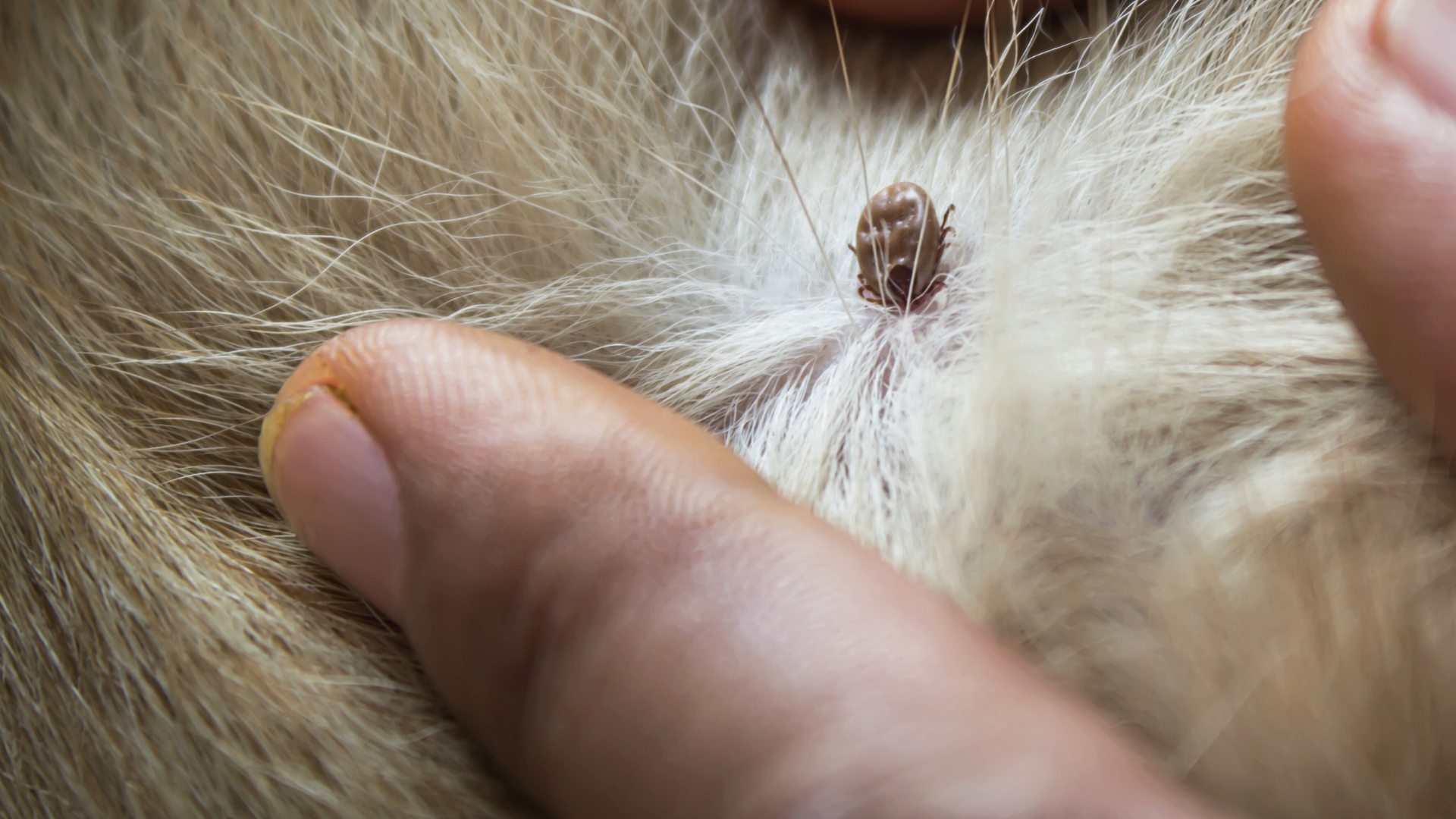
Oklahoma City sits within a transitional zone where plains, wooded river corridors, suburban development, and open grassland all converge.
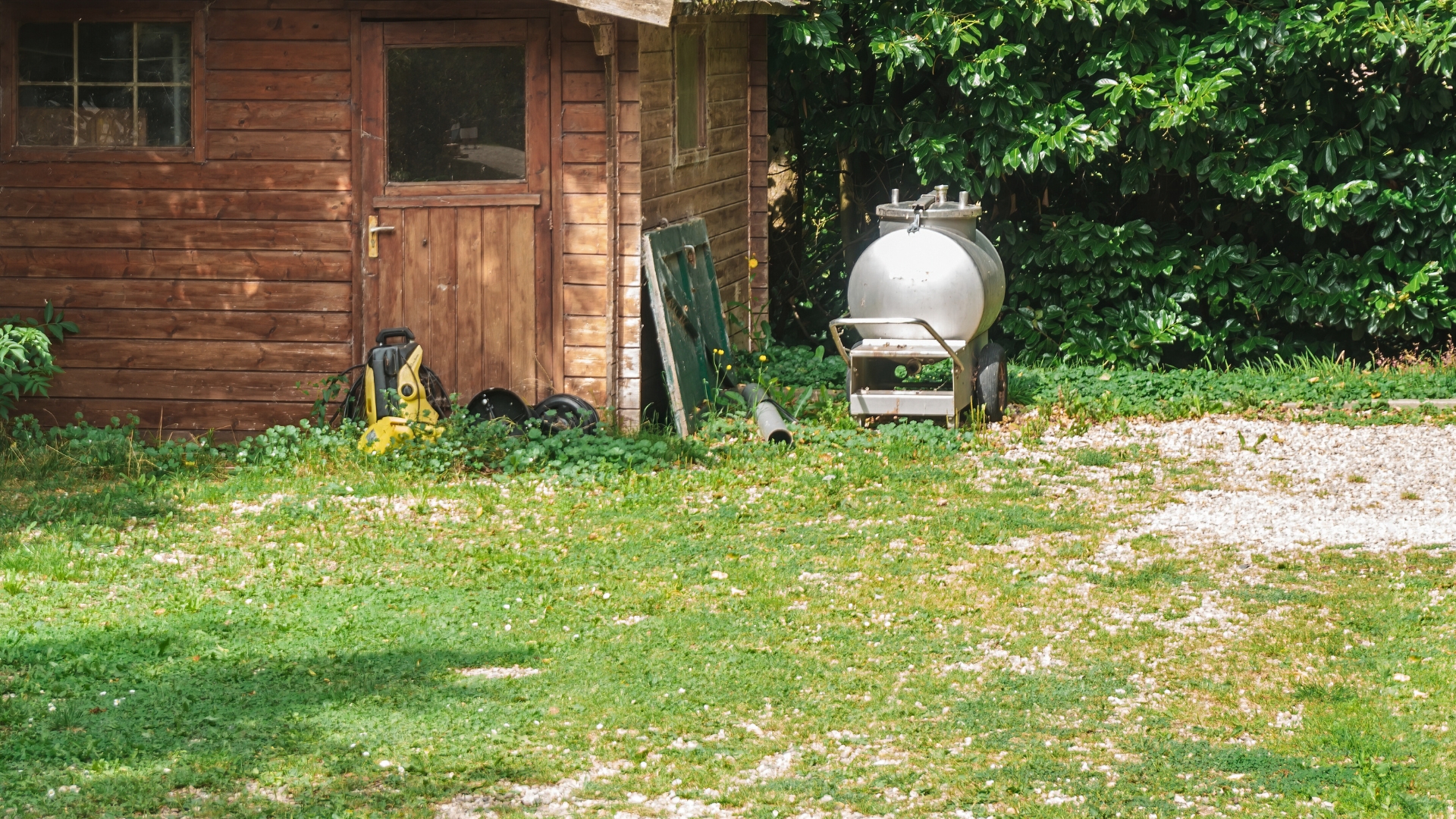
In Oklahoma City, spring preparation plays a critical role in preventing mosquito issues throughout the year.