Greater Oklahoma City

Oklahoma City Mosquito Season Forecast The Super El Niño Effect

The Super El Niño Shift

Mosquito populations are inextricably linked to environmental variables—specifically temperature, standing water, and humidity. The 2026 forecast indicates a distinct shift in these variables for the Oklahoma City metropolitan area.
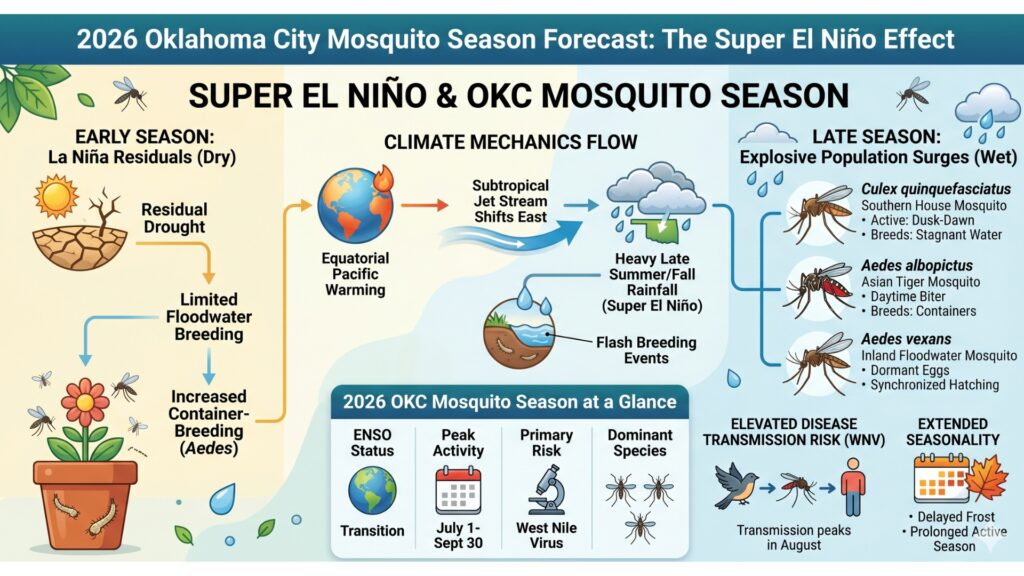
  • The Early Season (La Niña Residuals): The year began with residual drought conditions from the outgoing La Niña. Dry soil limits early-season floodwater mosquito reproduction, but it encourages container-breeding mosquitoes in residential areas where artificial watering occurs.
  • The Late Season (El Niño Emergence): As the equatorial Pacific waters warm, the atmosphere responds by pushing the subtropical jet stream eastward. For Oklahoma City, a Super El Niño significantly increases the probability of late summer and fall moisture, often pulling tropical storm remnants and heavy, sustained rainfall into the Southern Plains.
Oklahoma City Mosquito Shield 2026 Season Forecast graphic

How a Super El Niño Affects Mosquitos In Oklahoma City

The transition to a wetter, El Niño-driven climate pattern carries specific implications for public health and outdoor activity in Central Oklahoma:
  • Flash Breeding Events: When heavy El Niño rains fall on hard, drought-stricken Oklahoma clay, water pools on the surface rather than absorbing. These temporary pools serve as ideal incubators for floodwater mosquitoes.
  • Extended Seasonality: A strong El Niño traditionally brings milder winter temperatures and delays the first hard frost of the year. This extends the active mosquito season in Oklahoma City deeper into November, prolonging the window for biting activity.
  • Elevated Disease Transmission: The combination of sustained late-summer heat and increased surface water creates an optimal environment for the amplification of West Nile Virus (WNV) within the local bird population, which is then transmitted to humans via mosquito bites.
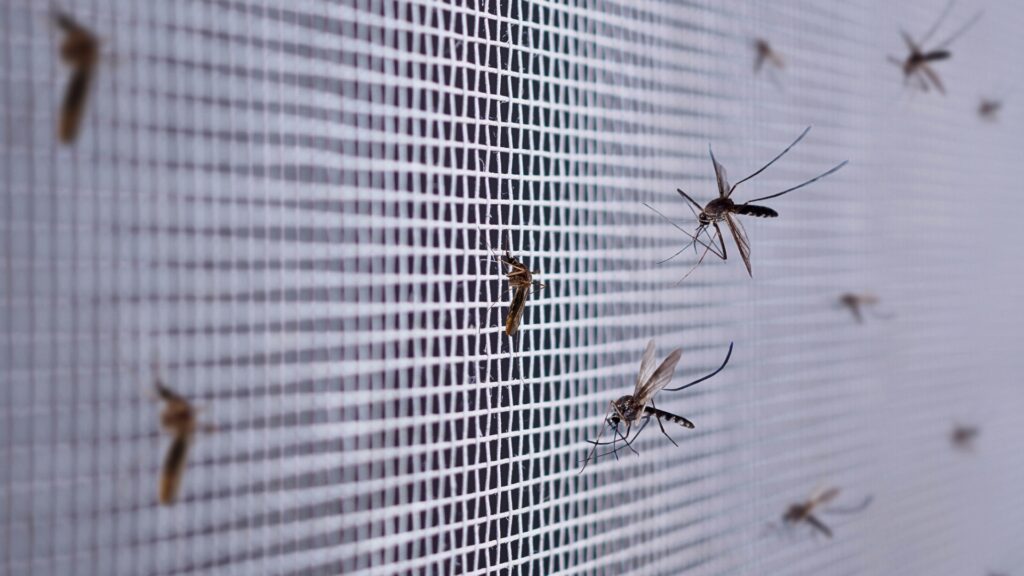
Mosquito Issues Photo Mosquitos on doorsreen trying to get in

3 easy steps to backyard bliss

Win the backyard battle this year.

    Do you agree to receive text messages from Mosquito Shield? Message frequency may vary. Standard messaging and data rates apply. Text STOP to opt-out at any time. Text HELP for support or contact us. Privacy Policy/TOS.
    Yes, I agree to receive text messages from Mosquito Shield.
    No, I do not want to receive text messages from Mosquito Shield.

    See our Privacy Policy/TOS for details on how we handle your information.

    1. 1

      Request Your Free Quote

      We’re out to kill mosquitoes, not your budget. We’ll be upfront about all costs, and you’ll know exactly what payments will look like before you start. Speak to one of our professionals today about getting a quote for your property.
    2. 2

      Schedule Your Service

      Once you’ve received a quote, you can move forward and begin seeing a difference with our services. Any mosquitoes in the area will be killed on contact and a barrier created to deter new mosquitoes from coming in. It takes less than 48 hours to notice a difference.
    3. 3

      Get Back Outside

      You no longer have to wonder what life would be like without mosquitoes. Go back to enjoying any and all outdoor activities without unwanted guests. Taking care of mosquitoes on your property has never been easier.

    Dominant Mosquito Species in Oklahoma City

    Different weather patterns favor different mosquito species. The 2026 climate forecast for Oklahoma City creates favorable conditions for three primary vectors:
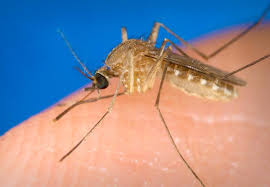

    • Southern House Mosquito (Culex quinquefasciatus): This species is the primary vector for West Nile Virus in the South Central region. It thrives in stagnant, organic-rich water (such as storm drains and neglected birdbaths) and is highly active from dusk to dawn.
    • Asian Tiger Mosquito (Aedes albopictus): An aggressive daytime biter that thrives in urban and suburban environments. This species relies on small containers (gutters, tires, flowerpots) for breeding and is highly responsive to the humidity spikes associated with El Niño rains.
    • Inland Floodwater Mosquito (Aedes vexans): This species deposits its eggs in damp soil rather than directly on water. The eggs can lay dormant for months during droughts, hatching simultaneously in massive swarms when El Niño-driven rains flood low-lying areas and the banks of the North Canadian River.
    Culex quinquefasciatus (Southern House Mosquito)

    Frequently Asked Questions

    01. What other insects will this affect?
    We use a control product so other insects present when and where we spray may be impacted.

    However, our formula was specifically engineered for mosquitoes so it won’t repel any other insects as it does mosquitoes.
    02. Will your product work after storms?
    Yes, we have specifically engineered our formula to outlast storms. With a special polymer layer that provides weather resistance, our formula will remain effective.
    03. Is there any environment you cannot treat?
    Yes, there are some areas we won’t spray to avoid the surrounding environments. Pools, natural water sources, vegetable gardens, and artificial water sources complete the list.

    Because water could easily spread the insecticides, we never directly apply our product to it. However, the rest of the property can still be sprayed and it will drastically reduce the population of mosquitoes.
    04. Does this product work on all mosquitoes and ticks ?
    Yes, we target aspects of mosquitoes and ticks that don’t change from species to species.

    The killing and repelling aspects of our product will work on any species of mosquitoes and ticks .
    05. What about my children and pets?
    Pets and children should be inside during each application. However, they can re-enter the property once the product has dried, roughly 10-15 minutes. At that point, there are no restrictions until the next application.
    06. When can I start to see the effects?
    Every yard is different but you should notice a dramatic reduction within 24-48 hours of the initial spray.

    With each subsequent treatment, the results continue to improve, allowing you to enjoy time outside without being chased in by swarms of mosquitoes.
    07. Why do we see more mosquitoes after it has rained?
    Mosquitoes are more abundant after it rains because standing water is where they breed.

    Adult, female mosquitoes will lay their eggs in water. Once fully submerged, the countdown begins and the eggs can hatch in as little as a few days.

    Shield Your Yard Now