Southern NJ

Comprehensive Guide to Black Widow Spiders in Southern New Jersey

Species Identification:
The Northern Black Widow

While there are over 30 recognized species within the Latrodectus genus globally, Southern New Jersey is primarily home to the Northern Black Widow (Latrodectus variolus).
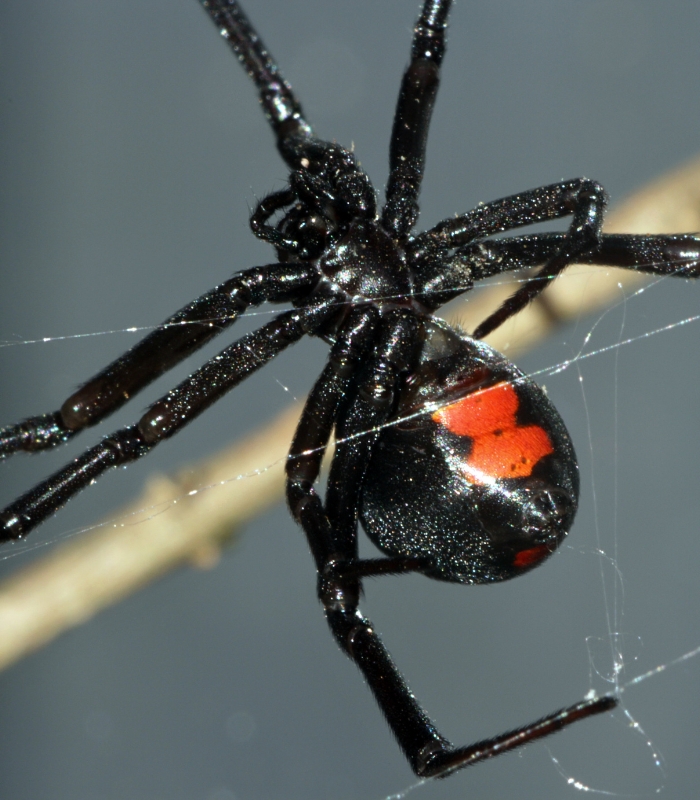
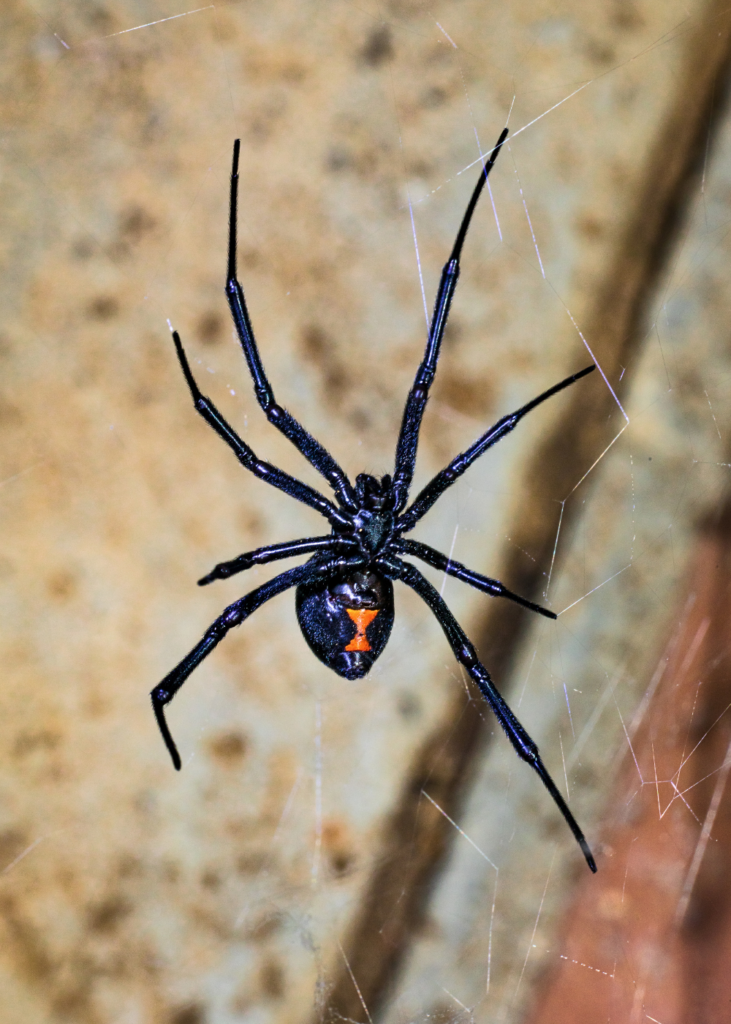
  • Morphology: Adult females are notoriously identifiable by their shiny black bodies. However, unlike the Southern Black Widow which features a connected red hourglass, the Northern Black Widow typically displays a broken hourglass or a series of red spots on the underside of the abdomen. They generally measure about half an inch in body length, with a leg span of roughly 1.5 inches.
  • Sexual Dimorphism: Male black widows are significantly smaller, lighter in color (often brown or grayish), and may feature pink or red stripes on their backs. Males are not considered medically significant to humans.
  • Web Structure: Black widows do not weave symmetrical, geometric webs. They construct irregular, messy-looking webs, typically built close to ground level, and often hang upside down within them waiting for prey.
Black Widow spider up close

Seasonality and Climate Variations: The Fall Shift

Across the United States, black widow behavior is heavily dictated by climate. In consistently warm southern climates, black widows may remain active year-round. However, in a temperate climate zone like New Jersey, spider behavior is strictly seasonal.

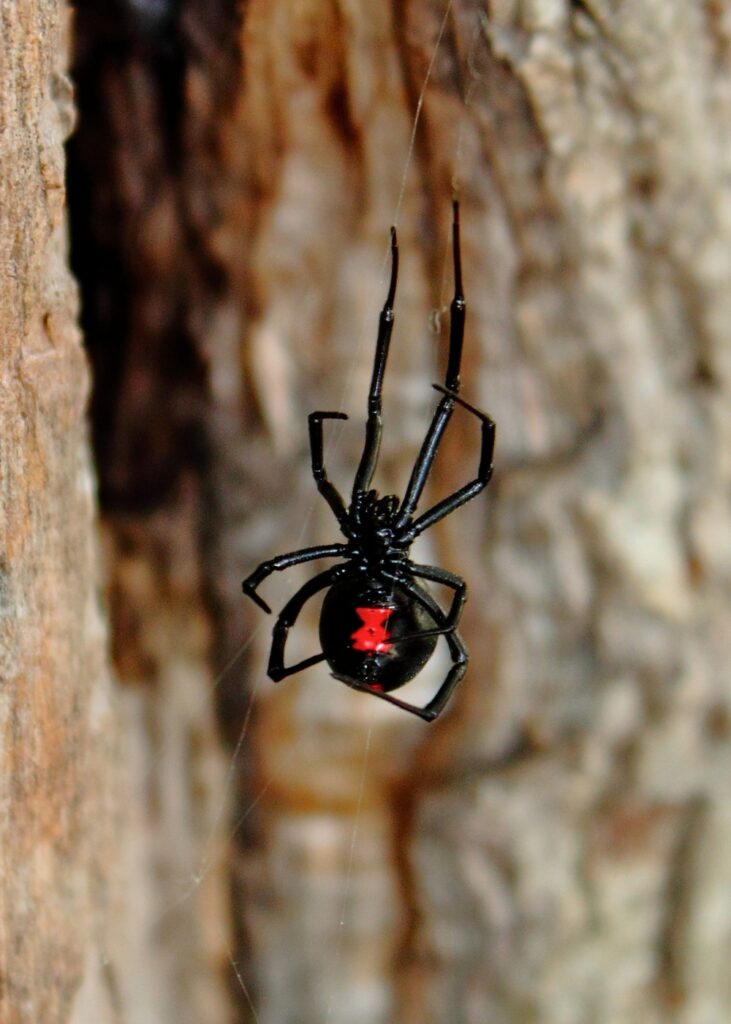
  • Summer Peak: Black widows are most active during the warm summer months, focusing on hunting and reproduction.
  • The Fall Migration: As autumn arrives in Southern New Jersey and nighttime temperatures begin to drop, black widows alter their behavior to survive the impending winter. They enter a phase of overwintering preparation. During the fall, they actively seek out sheltered, warmer environments to protect their egg sacs and themselves from freezing temperatures.
  • What to Expect This Fall: Because of this temperature-driven migration, fall is the season when Southern New Jersey residents are most likely to inadvertently encounter black widows. Spiders that spent the summer in deep brush or outer perimeters will migrate toward the radiant heat of residential foundations, garages, and sheds.
Signs of fall in New Jersey

Habitat and Area

Common Outdoor Habitats (Summer/Early Fall):

  • Woodpiles and stacked lumber.  Black widows thrive in dry, undisturbed, and dark environments, making yard debris and firewood stacks prime real estate.
  • Underneath decks, porches, and low-clearance crawl spaces.  The structural design of raised decks and enclosed porches creates the perfect shadowed, low-traffic environment these spiders actively seek out.
  • Hollow stumps and retaining rock walls.  Both natural yard features and hardscaping offer deep, secure crevices for widows to retreat into during the heat of the day
  • Inside rarely used outdoor furniture or gardening equipment.  Overturned patio chairs, stacked planters, empty watering cans, and the undersides of lawnmower decks sitting idle are notorious hiding spots.
Black Widow Outdoor Image Mosquito Shield Southern NJ

Common Indoor Habitats (Late Fall/Winter):

  • Garages and storage sheds.  As temperatures drop across Southern New Jersey in late fall, black widows seek refuge from freezing conditions, making garages and detached sheds the perfect transitional environments.
  • Basements and root cellars.  Once they find their way inside a home, black widows naturally gravitate toward the lowest, darkest, and quietest levels. Unfinished basements, crawl space access points, and root cellars provide the consistent climate and low foot traffic these spiders need to survive the harsh winter.
  • Seldom-used closets or behind stored cardboard boxes.  Black widows actively avoid human interaction, cluttered, low-activity storage areas become highly attractive indoor habitats. Spare bedroom closets, deep under-stair storage, or corners stacked with cardboard boxes create artificial crevices that perfectly mimic their outdoor nesting preferences.
Black Widow Indoor Image Mosquito Shield Southern NJ

3 easy steps to backyard bliss

Win the backyard battle this year.

    Do you agree to receive text messages from Mosquito Shield? Message frequency may vary. Standard messaging and data rates apply. Text STOP to opt-out at any time. Text HELP for support or contact us. Privacy Policy/TOS.
    Yes, I agree to receive text messages from Mosquito Shield.
    No, I do not want to receive text messages from Mosquito Shield.

    See our Privacy Policy/TOS for details on how we handle your information.

    1. 1

      Request Your Free Quote

      We’re out to kill mosquitoes, not your budget. We’ll be upfront about all costs, and you’ll know exactly what payments will look like before you start. Speak to one of our professionals today about getting a quote for your property.
    2. 2

      Schedule Your Service

      Once you’ve received a quote, you can move forward and begin seeing a difference with our services. Any mosquitoes in the area will be killed on contact and a barrier created to deter new mosquitoes from coming in. It takes less than 48 hours to notice a difference.
    3. 3

      Get Back Outside

      You no longer have to wonder what life would be like without mosquitoes. Go back to enjoying any and all outdoor activities without unwanted guests. Taking care of mosquitoes on your property has never been easier.
    Ready To Get Started?
    Buy Now

    Impact on the Population:
    Venom and Health Risks

    The black widow is considered the most venomous spider in North America, with venom reported to be up to 15 times stronger than that of a rattlesnake. However, they are reclusive and generally non-aggressive, biting only when provoked or accidentally crushed against the skin.

    Understanding the Bite:
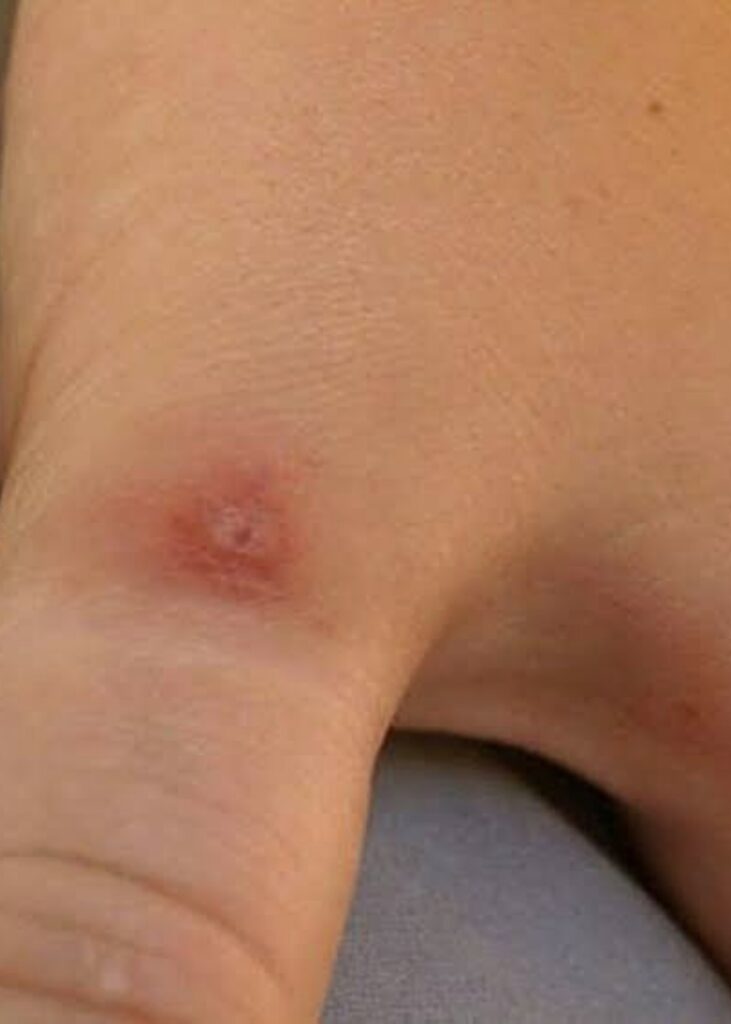
    • Symptoms: The initial bite may feel like a sharp pinprick or go completely unnoticed. Within an hour, a localized red swelling may occur. The neurotoxic venom primarily targets the nervous system, leading to severe muscle cramps that can spread to the abdomen and chest. Other symptoms may include sweating, nausea, dizziness, and elevated blood pressure.
    • Risk Profile: While highly painful, a black widow bite is rarely fatal to a healthy adult. The primary risk groups for severe complications include young children, the elderly, and individuals with compromised immune systems or underlying health conditions.
    • Medical Response: If bitten, it is advised to wash the area with soap and water, apply a cold compress to limit swelling, and seek professional medical attention immediately.
    black widow spider bite

    Frequently Asked Questions

    01. What other insects will this affect?
    We use a control product so other insects present when and where we spray may be impacted.

    However, our formula was specifically engineered for mosquitoes so it won’t repel any other insects as it does mosquitoes.
    02. Will your product work after storms?
    Yes, we have specifically engineered our formula to outlast storms. With a special polymer layer that provides weather resistance, our formula will remain effective.
    03. Is there any environment you cannot treat?
    Yes, there are some areas we won’t spray to avoid the surrounding environments. Pools, natural water sources, vegetable gardens, and artificial water sources complete the list.

    Because water could easily spread the insecticides, we never directly apply our product to it. However, the rest of the property can still be sprayed and it will drastically reduce the population of mosquitoes.
    04. Does this product work on all mosquitoes and ticks ?
    Yes, we target aspects of mosquitoes and ticks that don’t change from species to species.

    The killing and repelling aspects of our product will work on any species of mosquitoes and ticks .
    05. What about my children and pets?
    Pets and children should be inside during each application. However, they can re-enter the property once the product has dried, roughly 10-15 minutes. At that point, there are no restrictions until the next application.
    06. When can I start to see the effects?
    Every yard is different but you should notice a dramatic reduction within 24-48 hours of the initial spray.

    With each subsequent treatment, the results continue to improve, allowing you to enjoy time outside without being chased in by swarms of mosquitoes.
    07. Why do we see more mosquitoes after it has rained?
    Mosquitoes are more abundant after it rains because standing water is where they breed.

    Adult, female mosquitoes will lay their eggs in water. Once fully submerged, the countdown begins and the eggs can hatch in as little as a few days.

    Shield Your Yard Now