Experience relaxation and peace in your Woodbury backyard with our proven mosquito control solution. Trusted by families in Woodbury, our innovative approach not only repels mosquitoes but also establishes a durable barrier customized to your outdoor environment. Mosquito Shield of Twin Cities is dedicated to creating mosquito-free zones, so you can enjoy your outdoor spaces without interruption.

Effective mosquito control in Woodbury, MN, that drives mosquitoes away and keeps them out of your yard.

Enjoy mosquito-free outdoor time in Woodbury with treatments designed to provide lasting results.

Highly rated mosquito control services in Woodbury, trusted by residents to enhance outdoor living.


Woodbury, Minnesota, is a growing suburban community in Washington County known for its residential neighborhoods, parks, and interconnected trail systems. With numerous lakes, open green spaces, and family friendly developments, residents spend much of the warmer months outdoors enjoying backyard gatherings, sports fields, and walking paths. However, Woodbury’s mix of wetlands, retention ponds, and seasonal rainfall creates favorable conditions for mosquito and tick activity each year.
Residents of Woodbury face seasonal risks from mosquito borne illnesses such as West Nile Virus, along with tick borne diseases including Lyme disease and anaplasmosis. With outdoor recreation and neighborhood green spaces central to daily life, proactive mosquito and tick control supports comfort and overall quality of life.
To help reduce mosquito and tick activity, residents are encouraged to:
Remove standing water around properties, including in gutters, planters, birdbaths, and low lying yard areas.
Use insect repellent and wear protective clothing during peak mosquito activity periods in the early morning and evening.
Schedule recurring professional mosquito and tick treatments to maintain enjoyable outdoor spaces.

Woodbury experiences warm, humid summers and cold winters, resulting in a defined mosquito and tick season that typically runs from late spring through early fall. Snowmelt, rainfall, neighborhood irrigation, and the presence of lakes and wetlands contribute to standing water early in the season, while shaded yards and wooded areas provide suitable environments for ticks.
Key Factors Influencing Pest Activity:
Mosquitoes and Retention Ponds: Residential lakes, wetlands, drainage systems, and stormwater ponds increase mosquito activity during warmer months.
Ticks and Wooded Greenbelts: Parks, brush lined trails, and shaded landscaping create ideal habitats for ticks, particularly during spring and early summer.

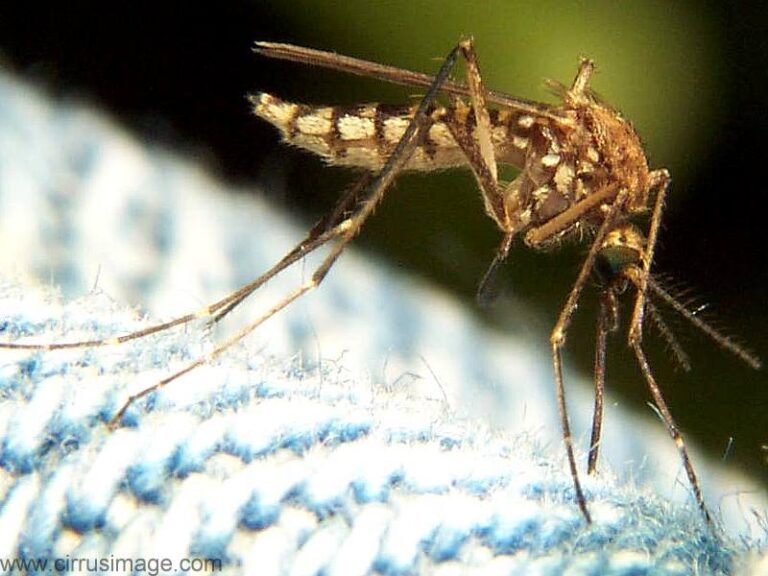
Identification: Medium-sized mosquito with white bands on the legs and abdomen. Breeding: Lays eggs in flood-prone areas, especially temporary pools formed by spring snowmelt or summer thunderstorms. Behavior: Very aggressive biter; active at dawn and dusk, especially in late spring and summer. Health Risks: While not a major disease vector, its sheer population numbers and biting intensity make it a serious nuisance.
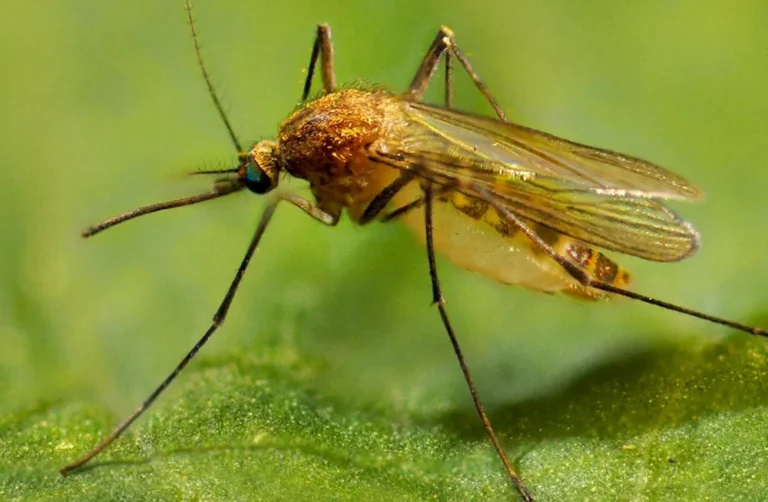
Identification: Small, light brown mosquito with a blunt abdomen tip. Breeding: Prefers stagnant, nutrient-rich water like storm drains, rain barrels, birdbaths, and neglected pools. Behavior: Primarily active after sunset; bites humans while sleeping. Health Risks: Main carrier of West Nile virus in Minnesota; can also transmit encephalitis viruses.
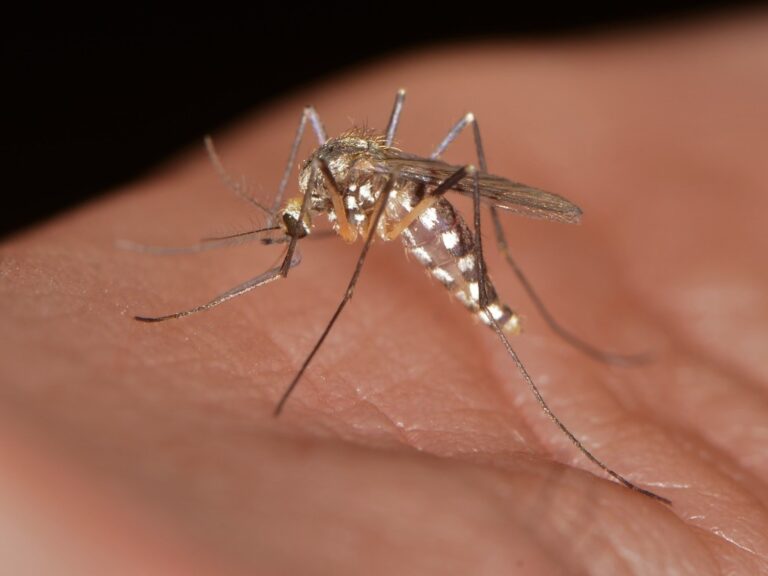
Identification: Dark brown mosquito with silver scales and distinct patterns on its thorax. Breeding: Lays eggs in natural and artificial containers—tree holes, tires, buckets, and even toys. Behavior: Daytime biter; females are aggressive and often go unnoticed until after the bite. Health Risks: Main vector of La Crosse encephalitis, a rare but serious disease affecting the brain, primarily in children.
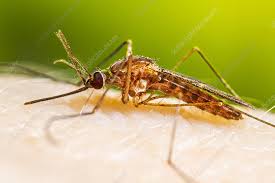
Identification: Brown body with four distinct dark spots on the wings; rests at a 45-degree angle. Breeding: Clean, slow-moving freshwater in marshes, ponds, and creeks. Behavior: Active during dusk and dawn. Health Risks: Historically the primary vector of malaria in the U.S., though transmission is now rare. Still causes itchy, irritating bites.

Key Activity: Mosquito season begins as temperatures rise consistently above 50°F and spring rains saturate the ground.
**Breeding:** Melting snow and early rains create puddles and temporary pools—perfect for floodwater species like *Aedes vexans* to emerge in large numbers.
**Common Species Active:**
*Aedes vexans*: One of the earliest and most aggressive biters; thrives in flood-prone areas.
*Culex pipiens*: Begins to appear as standing water becomes more abundant in urban areas.
**Behavior:** Activity ramps up quickly in late May. Expect biting at dawn, dusk, and humid overcast days—especially near wooded or wetland areas.

Key Activity: This is peak mosquito season in the Twin Cities—warm temps, frequent rain, and long daylight hours create ideal conditions.
**Breeding:** Stagnant water from rainstorms, irrigation, and clogged gutters fuels fast population growth. Backyard containers and natural wetlands are prime zones.
**Common Species Active:**
*Culex pipiens*: Most common in cities and suburbs; a known carrier of West Nile virus.
*Aedes triseriatus*: Active in tree-covered areas and backyard containers; carries La Crosse encephalitis.
**Behavior:** Mosquitoes are aggressive across all hours, especially near wooded trails, wetlands, and water sources. Biting pressure is at its highest.

Key Activity: Mosquito populations start to taper off, but warm days and early fall rains can trigger one last wave.
**Breeding:** Fewer breeding opportunities as temperatures drop, but lingering water sources can still support active populations.
**Common Species Active:**
*Aedes vexans*: May persist in low-lying areas if rain occurs.
*Culex pipiens*: Begins entering dormancy, but can still bite during warm evenings.
**Behavior:** Activity is reduced, but not gone—especially in flood-prone areas or on warmer-than-average days.
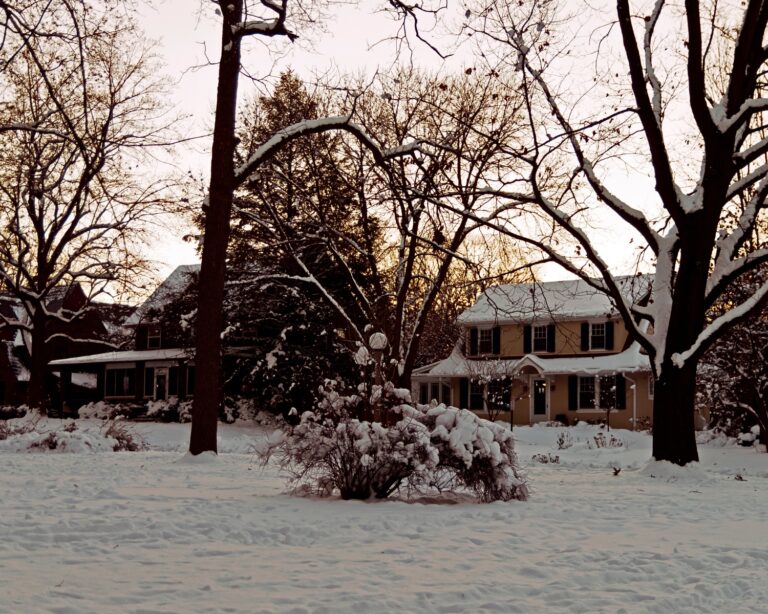
Key Activity: Mosquito season is fully dormant. Freezing temperatures eliminate adults, and the cycle pauses until spring.
**Eggs:** Some species—like *Aedes triseriatus*—lay hardy eggs in dry areas like tree holes or containers. These eggs survive winter and hatch with the first spring rains.
**Adults:** *Culex* mosquitoes may overwinter in protected locations like crawl spaces or basements, but bites are extremely rare this time of year.
**Behavior:** No significant mosquito activity during the long Minnesota winter—this is the only true mosquito “off-season.”

The Twin Cities region, encompassing the wooded corridors and grassy transitions of the northern metro, experiences a significant biological awakening every spring.
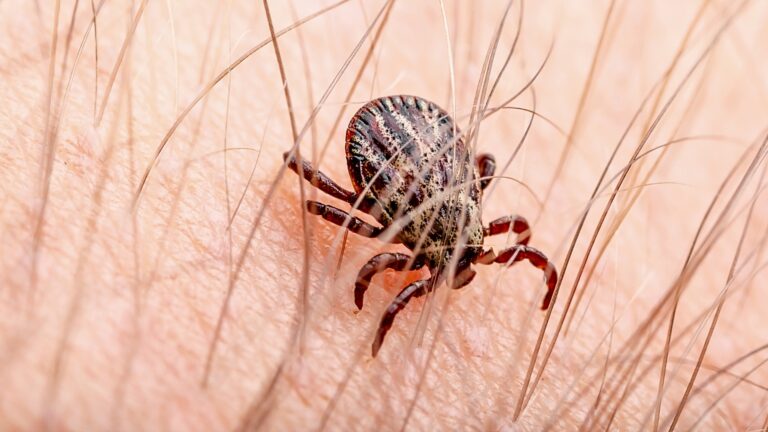
As the ecological landscape of the Northern Twin Cities continues to evolve, the intersection of public health and tick activity has become a primary focus for researchers and residents alike.
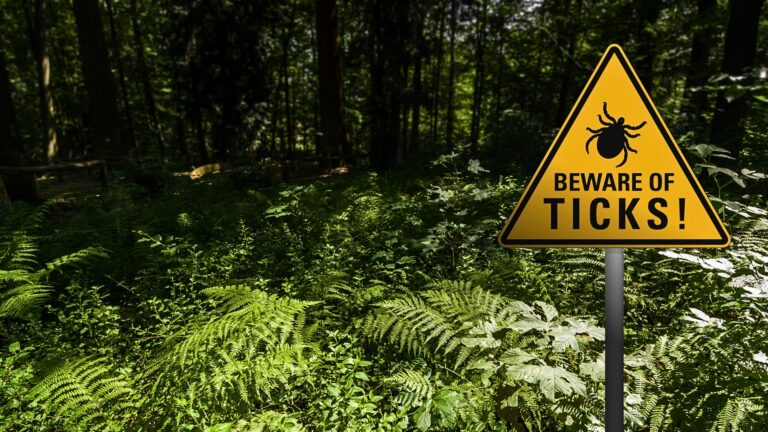
The Twin Cities, including Minneapolis, St. Paul, and surrounding northern and western suburbs are home to several tick species that thrive in the region’s wooded landscapes, wetlands, parks, river corridors, and suburban green spaces.