Experience relaxation and peace in your Coon Rapids backyard with our proven mosquito control solution. Trusted by families in Coon Rapids, our innovative approach not only repels mosquitoes but also establishes a durable barrier customized to your outdoor environment. Mosquito Shield of Twin Cities is dedicated to creating mosquito-free zones, so you can enjoy your outdoor spaces without interruption.

Effective mosquito control in Coon Rapids, MN, that drives mosquitoes away and keeps them out of your yard.

Enjoy mosquito-free outdoor time in Coon Rapids with treatments designed to provide lasting results.
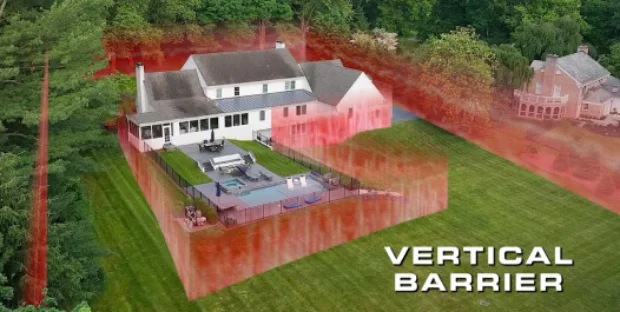
Highly rated mosquito control services in Coon Rapids, trusted by residents to enhance outdoor living.


Coon Rapids, Minnesota, is a vibrant suburban community in Anoka County known for its extensive park systems, riverfront access, and active outdoor lifestyle. With attractions like the Coon Rapids Dam Regional Park, Bunker Hills Regional Park, and numerous neighborhood green spaces, residents spend much of the year enjoying patios, trails, and outdoor recreation. However, the area’s warm, humid summers, seasonal rainfall, and proximity to the Mississippi River and local drainage systems create favorable conditions for mosquito and tick activity throughout the warmer months.
Residents of Coon Rapids face seasonal risks from mosquito borne illnesses such as West Nile Virus, along with tick borne diseases including Lyme disease. With backyard entertaining, riverfront gatherings, and park activities central to the community’s lifestyle, proactive mosquito and tick control supports comfortable outdoor environments. As a locally owned and operated business, Mosquito Shield of Twin Cities North understands the specific environmental factors of the region.
To help reduce mosquito and tick activity, residents are encouraged to:
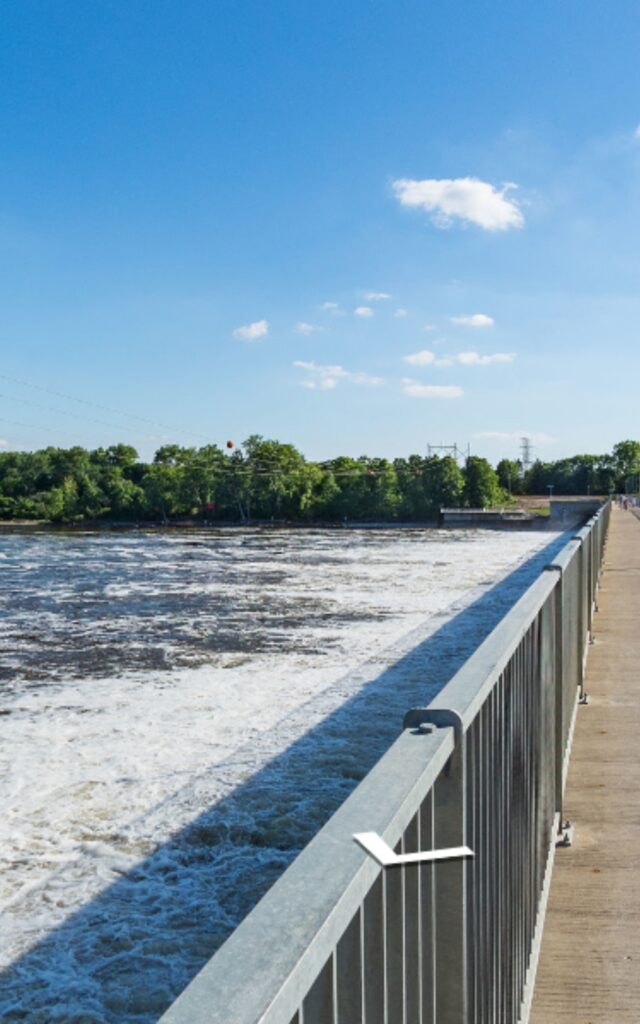
Coon Rapids experiences warm, humid summers and a significant spring thaw, contributing to a mosquito and tick season that begins in early spring and can continue well into the fall. Periodic heavy rainfall, riverfront humidity, irrigation systems, and neighborhood retention ponds create standing water, while shaded greenbelts and heavily wooded areas provide suitable environments for ticks.
Key Factors Influencing Insect Activity: