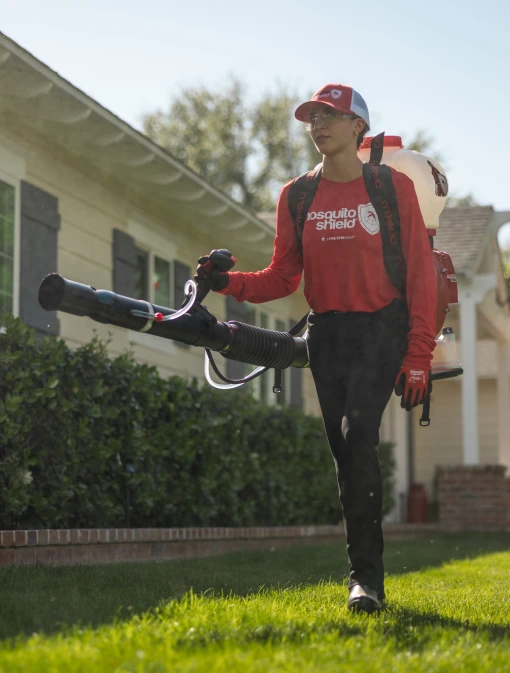
Experience relaxation and peace in your Shadow Hills backyard with our proven mosquito control solution. Trusted by families in Shadow Hills, our innovative approach not only repels mosquitoes but also establishes a durable barrier customized to your outdoor environment. Mosquito Shield of Santa Clarita and Valencia is dedicated to creating mosquito-free zones, so you can enjoy your outdoor spaces without interruption.
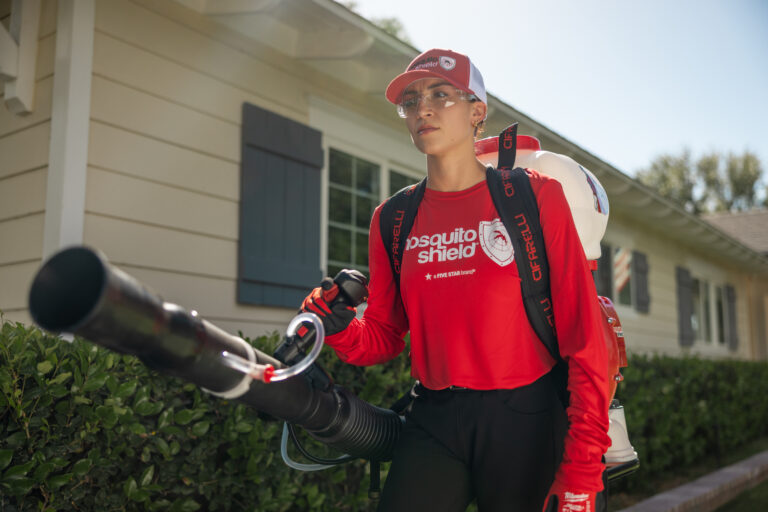
Effective mosquito control in Shadow Hills, CA, that drives mosquitoes away and keeps them out of your yard.

Enjoy mosquito-free outdoor time in Shadow Hills with treatments designed to provide lasting results.

Highly rated mosquito control services in Shadow Hills, trusted by residents to enhance outdoor living.


Shadow Hills, California, is a unique and tranquil equestrian community nestled in the Verdugo Mountains of the San Fernando Valley. Known for its rural atmosphere within the city limits of Los Angeles, Shadow Hills is characterized by large residential lots, horse properties, and stunning views of the surrounding hillsides. Residents enjoy a lifestyle deeply connected to the outdoors, with easy access to the Stonehurst Historic District and miles of riding trails through the Hansen Dam Recreation Area. However, the region’s semi-rural nature, combined with its equestrian facilities and proximity to mountain runoff, creates ideal conditions for mosquito and tick activity throughout much of the year.
To help reduce mosquito and tick activity, residents are encouraged to:
Remove standing water around properties, specifically checking livestock troughs, equestrian buckets, and drainage areas near stables.
Wear appropriate attire and use repellent when riding or hiking through the high grasses of the Verdugo foothills.
Schedule recurring professional mosquito and tick treatments to maintain enjoyable outdoor spaces.

Shadow Hills experiences a warm, dry climate with plenty of sunshine, which contributes to an extended mosquito and tick season that often begins in the early spring and continues well into the autumn. While the area is known for its dry hillsides, heavy irrigation for lush landscaping and the presence of water sources for horses and livestock provide necessary moisture for mosquitoes. The interface between residential properties and the rugged mountain terrain also serves as a prime habitat for wildlife, which can transport ticks into backyard spaces.
Key Factors Influencing Activity:
Mosquitoes and Equestrian Properties: Water features such as ornamental ponds, birdbaths, and livestock water containers are common sites for mosquito activity during the warmer months.
Ticks and Hillside Encroachment: The dense chaparral and shaded edges of the Verdugo Mountains that border Shadow Hills homes provide ideal environments for ticks, particularly during the transition from the wet spring to the dry summer.

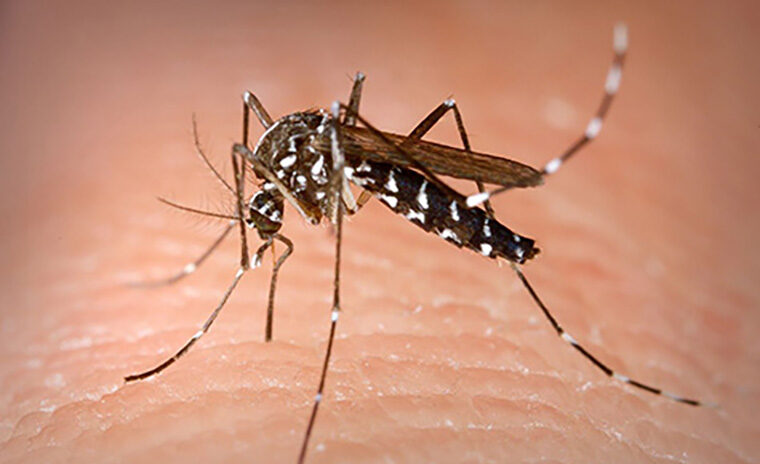
Identification: Small, dark mosquito with distinct white lyre-shaped markings on its thorax and white banding on its legs.
Habitat: Breeds in small, artificial water containers around homes like plant saucers, buckets, and tires—highly adapted to urban and suburban Santa Clarita environments.
Behavior: Aggressive daytime biter; often bites indoors and frequently targets the lower legs and ankles.
Health Risks: Known vector for dengue, Zika, and chikungunya viruses, posing an emerging localized threat in Southern California.
Identification: Medium-sized, pale brown mosquito with a rounded abdomen and solid, unbanded legs.
Habitat: Thrives in stagnant, nutrient-rich water sources like unmaintained swimming pools, storm drains, and catch basins typical in residential areas.
Behavior: Nighttime biter; frequently enters homes through damaged screens to feed while people sleep.
Health Risks: The primary vector for West Nile virus in Los Angeles County and the Santa Clarita Valley. Also carries St. Louis encephalitis.
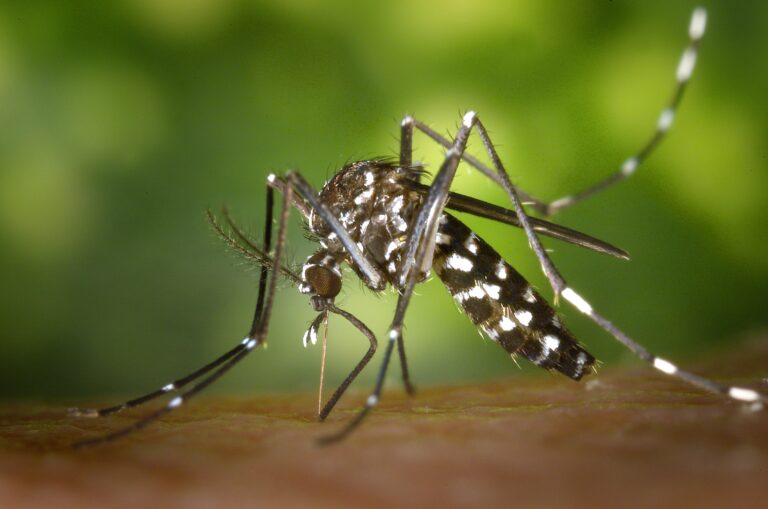
Identification: Small, black mosquito with a striking single white stripe down the center of its head and back, with white-banded legs.
Habitat: Prefers natural and artificial containers like tree holes, clogged gutters, and bird baths found in shaded residential backyards.
Behavior: Highly aggressive daytime biter that remains active throughout the day, primarily targeting mammals, including humans and pets.
Health Risks: Capable of transmitting West Nile virus, dengue, and dog heartworm, making it a significant pest and health concern for families and pets.
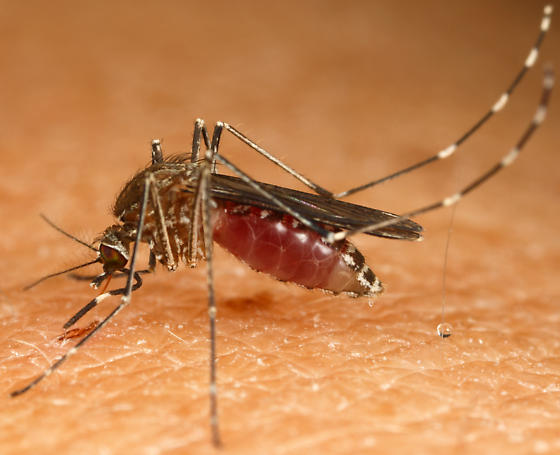
Identification: Medium-sized, dark brown mosquito with a prominent white band on its proboscis (beak) and distinct white bands on its legs.
Habitat: Breeds in larger bodies of standing water, including agricultural runoff, drainage ditches, and sunlit pools bordering rural and suburban edges of the valley.
Behavior: Primarily bites at dusk and after dark; strong flier that can travel significant distances from breeding sites to find a host.
Health Risks: A major vector for West Nile virus, St. Louis encephalitis, and Western equine encephalitis across California.
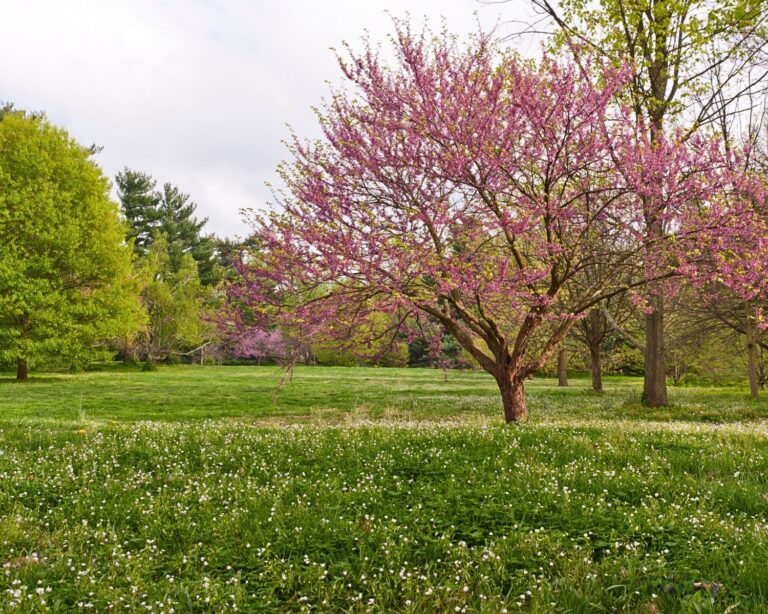
Key Activity: Mosquito activity gradually increases as daylight extends and temperatures begin to warm up across the valley.
Breeding: Remaining moisture from winter rainstorms and early-season yard irrigation create breeding habitats in plant saucers, yard drains, and unmaintained pools.
Common Species Active: Aedes aegypti (Yellow Fever Mosquito) and Culex quinquefasciatus (Southern House Mosquito) begin to emerge and multiply.
Behavior: Biting activity starts to pick up, particularly during warm afternoons and mild evenings.

Key Activity: Peak mosquito season—consistent, intense heat and extensive landscape watering drive high mosquito populations.
Breeding: Stagnant water from lawn overwatering, AC condensation drip lines, bird baths, and green swimming pools are primary urban sources.
Common Species Active: Aedes aegypti and Culex species dominate throughout residential neighborhoods.
Behavior: Biting pressure is relentless, featuring aggressive daytime biting from Aedes mosquitoes and nighttime biting from Culex mosquitoes.

Key Activity:Activity remains high during warm autumn weeks before gradually tapering off as nighttime temperatures finally drop.
Breeding: Unseasonal heat waves (Santa Ana winds) and ongoing residential watering maintain active breeding sites in artificial containers around homes.
Common Species Active: Aedes aegypti remains highly active, alongside lingering Culex populations.
Behavior: Daytime bites remain a significant nuisance, particularly during outdoor fall events and yard work, until consistent cooler weather arrives.

Key Activity: Most adult mosquito activity significantly decreases due to cold overnight temperatures.
Eggs: Aedes mosquito eggs can survive dry and cold conditions, remaining dormant on the walls of artificial containers until spring warmth and water trigger hatching.
Adults: Adult Culex mosquitoes often seek shelter to overwinter in protected areas like storm drains, garages, and sheds.
Behavior: Brief spikes in biting activity can still occur during unseasonably warm Southern California winter spells, especially following a rain event.
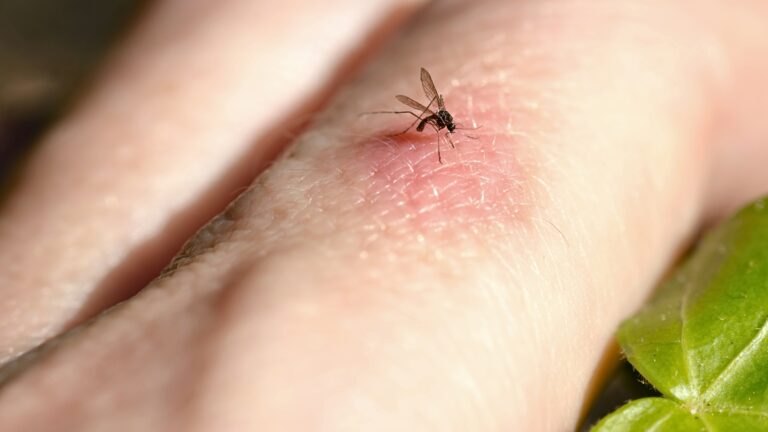
Understanding the specific types of mosquitoes present in the SCV is critical for effective property management and community health.

Unlike mosquitoes, which rely on standing water, ticks thrive in the microclimates of tall grasses, leaf litter, and trailside vegetation.
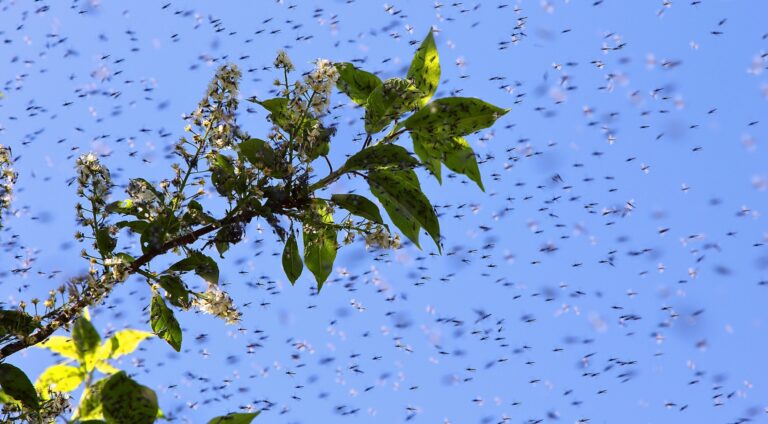
Understanding how local weather conditions affect mosquito life cycles is a crucial part of managing their presence and mitigating the risks associated with both native and invasive mosquito species.