Mosquito life cycles are governed by temperature and standing water. Because of this, mosquito seasonality varies drastically across the United States:

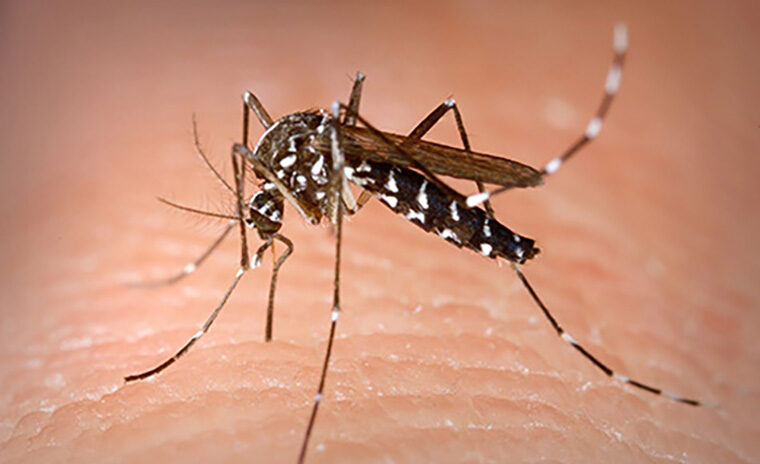
Historically, the primary mosquito in Los Angeles was the native Culex mosquito, which typically bites at dusk and dawn and prefers birds over humans and pets. However, the vector landscape in Northwest Los Angeles has shifted dramatically with the introduction of the Invasive Aedes aegypti mosquito.
Often referred to locally as “ankle-biters,” Aedes aegypti present unique challenges for pet safety:
When a mosquito bites a dog or cat, it is not merely a nuisance; it is a potential transmission event for serious pathogens.
Heartworm is the most severe mosquito-borne threat to dogs and cats in the United States. It is transmitted exclusively by mosquitoes. When an infected mosquito bites a pet, it deposits microscopic larvae into the bloodstream. Over several months, these larvae migrate to the heart and lungs, growing into foot-long worms that cause severe cardiovascular and respiratory failure. Due to the year-round presence of mosquitoes in Los Angeles, the risk of heartworm exposure never fully subsides.
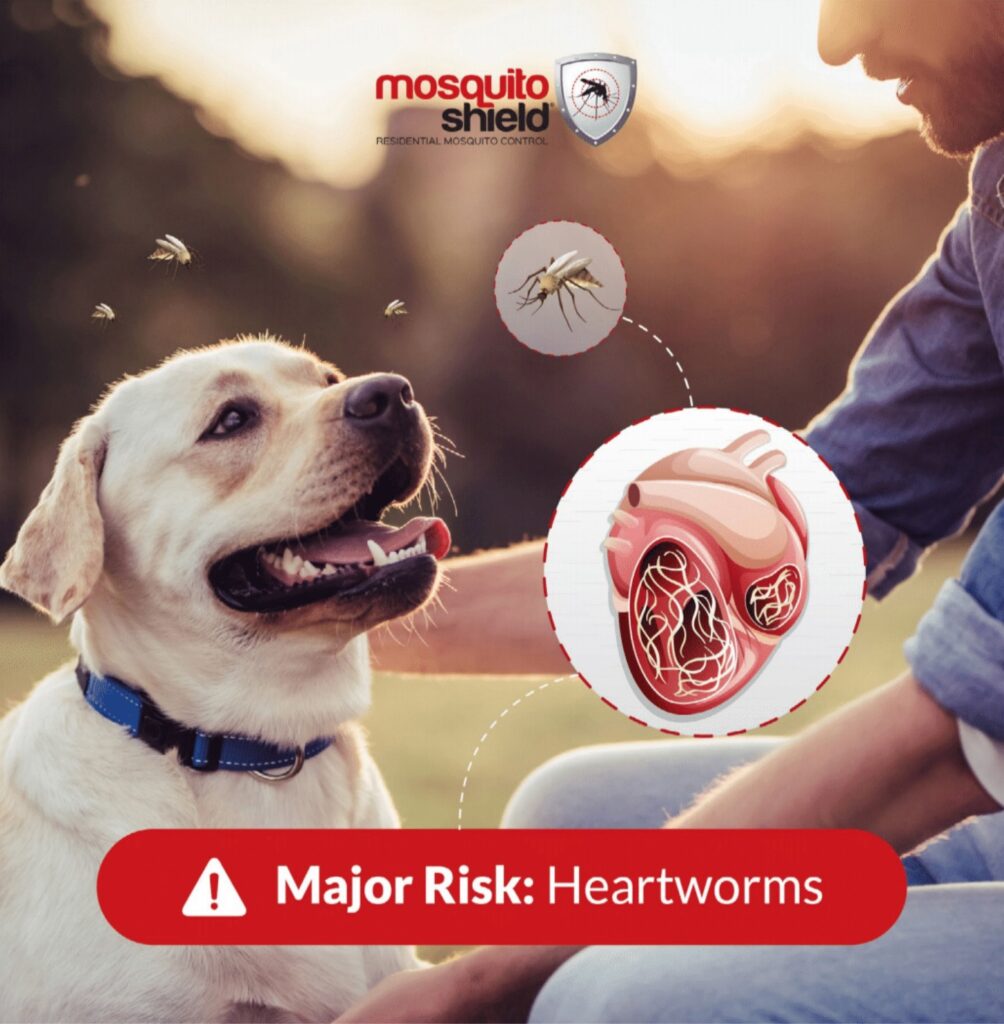
Protecting pets in Northwest Los Angeles requires an integrated approach that pairs preventative veterinary medicine with diligent property management.
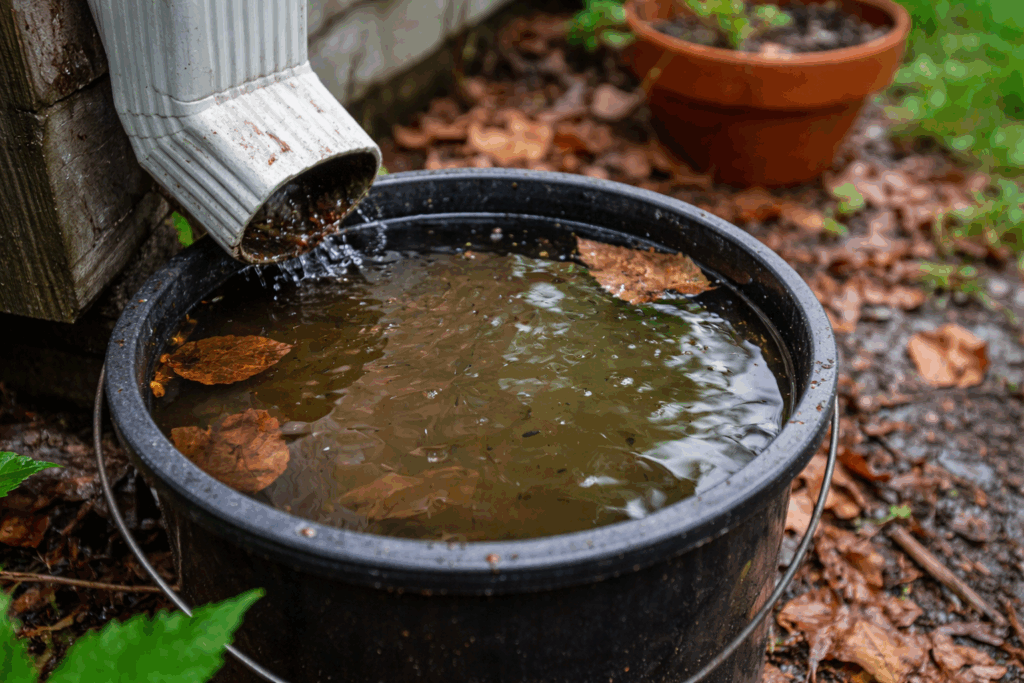
Because invasive Aedes mosquitoes are “container breeders,” yard maintenance is the first line of defense. Homeowners must conduct weekly audits to “Tip and Toss” any standing water. Pay special attention to: