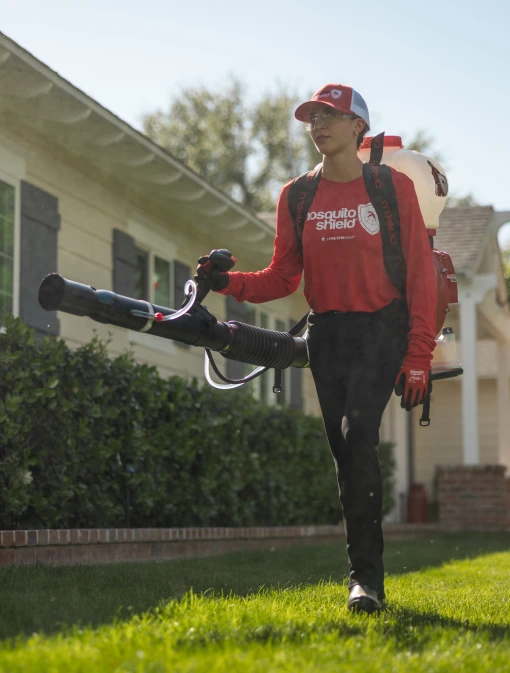
Experience relaxation and peace in your Calabasas backyard with our proven mosquito control solution. Trusted by families in Calabasas, our innovative approach not only repels mosquitoes but also establishes a durable barrier customized to your outdoor environment. Mosquito Shield of Northwest Los Angeles is dedicated to creating mosquito-free zones, so you can enjoy your outdoor spaces without interruption.
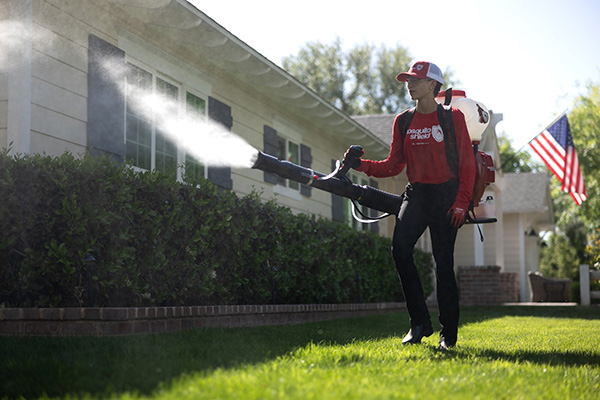
Effective mosquito control in Calabasas, CA that drives mosquitoes away and keeps them out of your yard.

Enjoy mosquito-free outdoor time in Calabasas with treatments designed to provide lasting results.
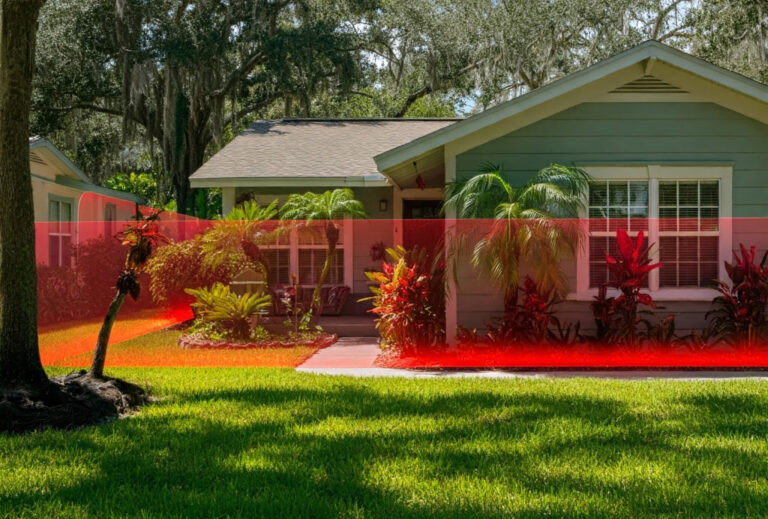
Highly rated mosquito control services in Calabasas, trusted by residents to enhance outdoor living.
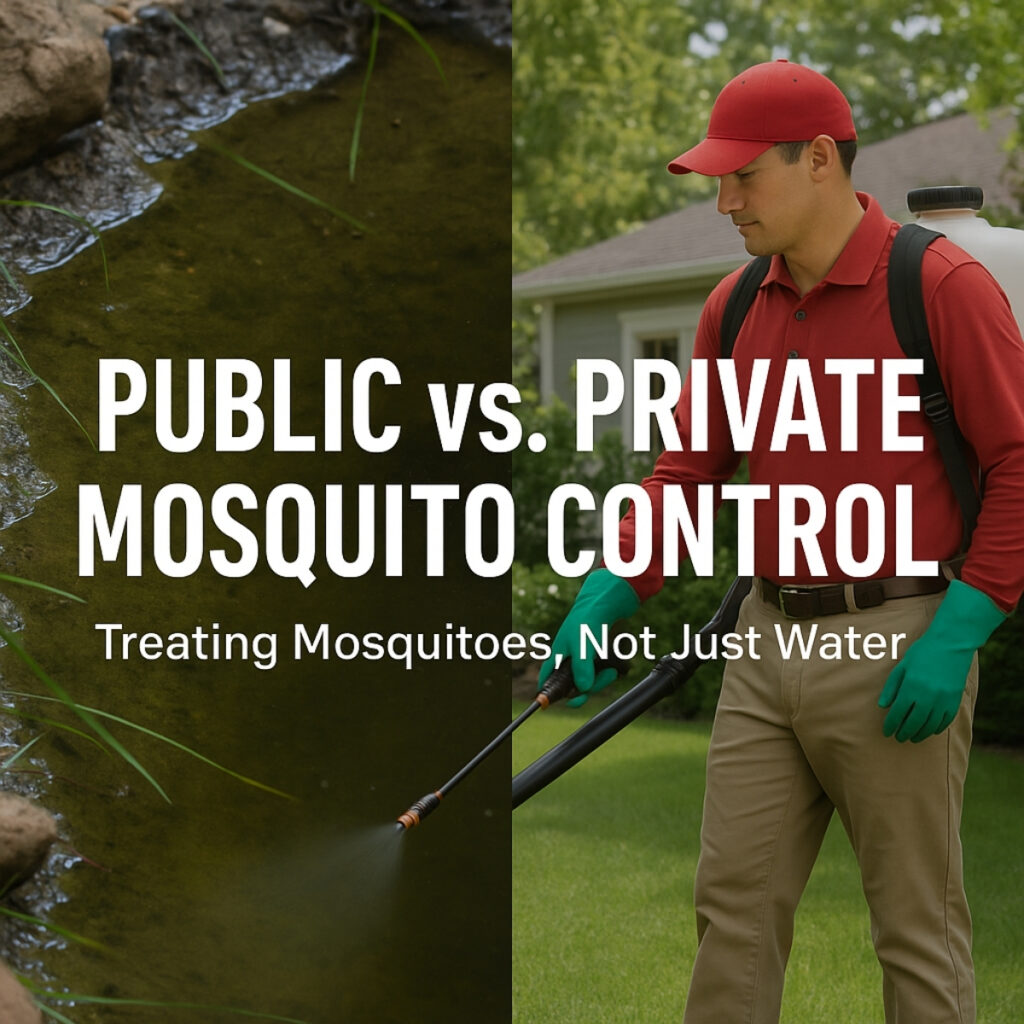
In Southern California, vector control programs are typically focused on treating water sources—not addressing the active mosquito presence in your yard. These agencies apply larvicides to stagnant water like drainage basins, retention ponds, and stormwater channels to interrupt mosquito development before they mature. While this broad strategy helps manage breeding at the community level, it doesn’t tackle mosquitoes that are already in flight or those entering your yard from surrounding areas. Backyard puddles, fountains, and shaded vegetation often go untreated by public programs, leaving residents with ongoing mosquito activity.
Mosquito Shield of Northwest Los Angeles works differently. Instead of only targeting mosquito larvae, we focus on treating the areas where mosquitoes live and linger—right on your property. Our proprietary treatment is applied to the shaded, moist zones mosquitoes are drawn to, helping reduce their presence and creating a treated barrier around your outdoor space. This approach addresses adult mosquitoes and ongoing activity with consistent visits and strategic application zones, giving homeowners in Southern California a more direct way to manage the issue where they feel it most—right at home.


Calabasas, California, is a scenic city nestled in the hills of western Los Angeles County, known for its upscale communities, family-friendly atmosphere, and proximity to the Santa Monica Mountains. With popular spots like Malibu Creek State Park, Calabasas Lake, and the expansive trails of Upper Las Virgenes Canyon Open Space Preserve, residents enjoy year-round outdoor recreation. However, the region’s warm climate, coupled with shaded canyons and seasonal water runoff, provides an ideal environment for mosquito and tick activity throughout much of the year.
Residents of Calabasas encounter recurring seasonal risks tied to mosquito-borne illnesses such as West Nile Virus and St. Louis Encephalitis, along with tick-borne threats including Lyme disease and Anaplasmosis. Given the city’s emphasis on outdoor living, poolside leisure, and pet-friendly parks, proactive mosquito and tick control is essential to support community wellness and uninterrupted outdoor enjoyment.
To help reduce exposure, local homeowners are encouraged to:
Remove standing water from planters, gutters, birdbaths, and other containers after rain or irrigation.
Wear light-colored, long-sleeved clothing and apply repellent when exploring wooded or brushy areas.
Schedule consistent mosquito and tick treatments to help manage yard activity and protect high-use outdoor spaces.
Los Angeles County Vector Control routinely monitors and treats mosquito-prone areas in and around Calabasas, using integrated vector management to limit the spread of insect-borne diseases.

Calabasas experiences long, dry summers and mild, wet winters, leading to an extended season of mosquito and tick activity. While the region receives less rainfall than coastal LA neighborhoods, microclimates created by nearby creeks, canyon springs, and backyard irrigation contribute to localized breeding grounds. Dense chaparral, shaded arroyos, and leaf-littered trails also offer prime conditions for tick populations to thrive.
Key Factors Influencing Pest Activity:
Mosquitoes and Residential Irrigation: Runoff from lawns, landscaping, and pool overflow in Calabasas neighborhoods can create hidden mosquito habitats, especially during summer.
Ticks and Canyon Terrain: The area’s rugged, wooded trails and underbrush near Old Topanga Canyon and Mulholland Highway provide perfect shelter for ticks—especially active during cooler, overcast months in spring and fall.


Northwest Los Angeles has its own rhythm when it comes to mosquito activity, shaped by local patterns in heat, humidity, and rainfall.
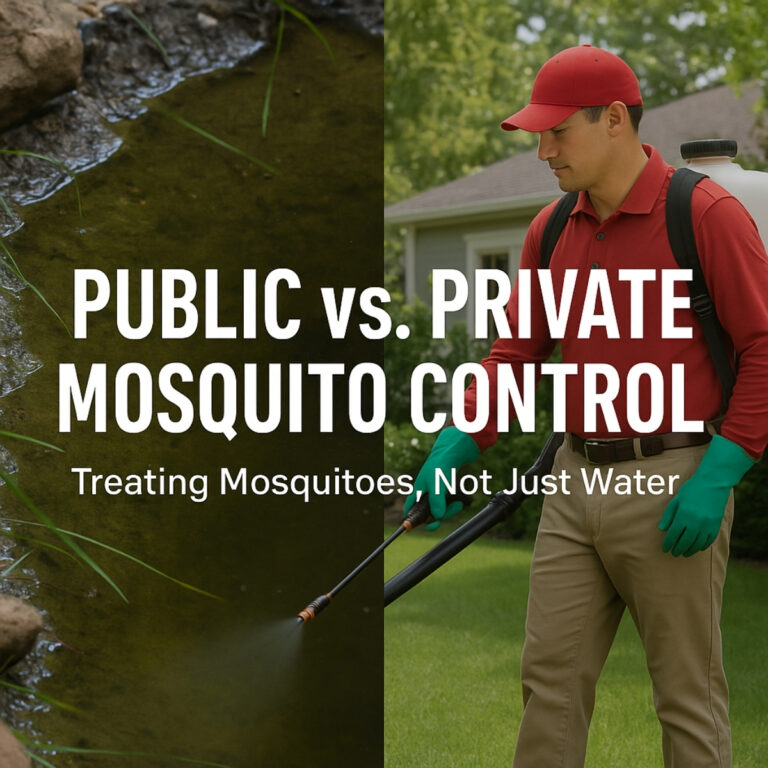
While vector control programs operate across the region, many residents wonder how these efforts compare with professional services.
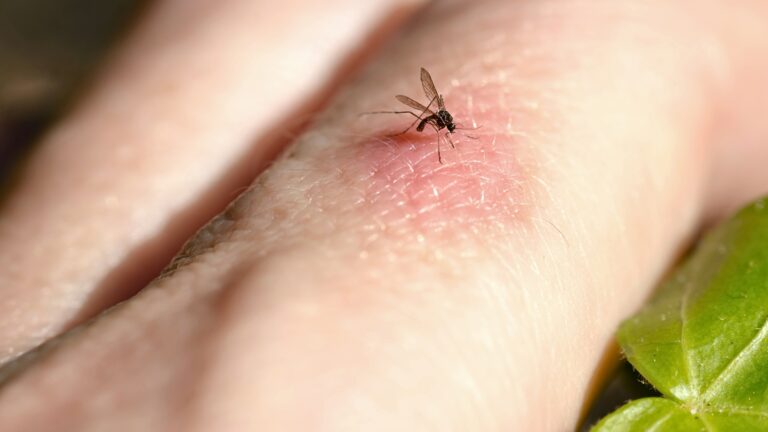
Northwest Los Angeles’ Mediterranean climate boasts warm, dry summers and mild, wetter winters, creates an ideal environment for a variety of mosquito species.