Northwest Los Angeles

2026 Mosquito Season Forecast Northwest Los Angeles

Environmental Drivers in Northwest LA

The 2026 season in Northwest Los Angeles is characterized by a “rollercoaster” spring temperature profile. While early months trended slightly cooler than the previous year, periodic warm spikes have already triggered the emergence of overwintering species.

  • Temperature Thresholds: Local mosquito activity typically begins when ambient temperatures consistently remain above 50°F. In Northwest LA, these thresholds are often met as early as late February or March.

  • Precipitation Impact: Unlike the floodwater surges seen in the Midwest, Los Angeles mosquito populations are highly sensitive to “urban runoff.” Even in dry years, irrigation systems and residential water use provide the necessary stagnant water for breeding.

  • Projected Peak: Based on current climate models, peak activity is expected between June and September, with a potential late-season extension into October if autumn temperatures remain above historical averages.
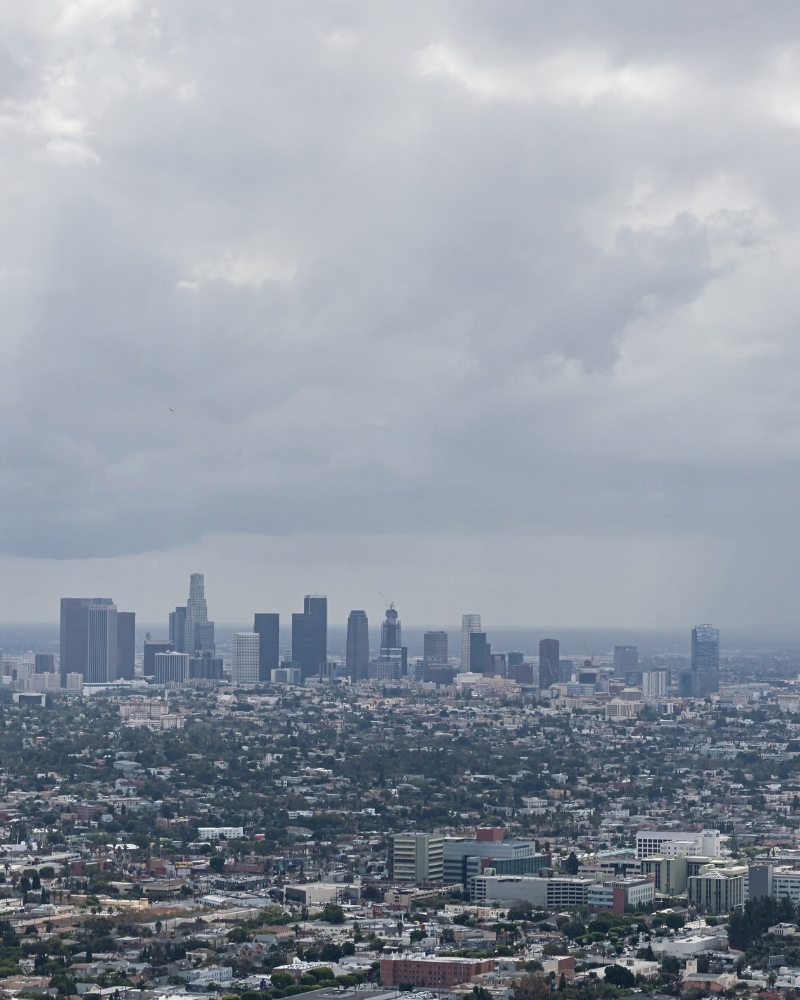
Rainy Day over Los Angeles

Regional Variations: Topography and Infrastructure

The Northwest Los Angeles area contains diverse micro-climates that impact mosquito density differently:

  • Coastal and Foothill Corridors: Areas near the Santa Monica Mountains or riparian zones may see higher activity from Anopheles and Culex species due to natural water pooling and canyon moisture.

  • Dense Urban Residential: Neighborhoods with high concentrations of ornamental plants (e.g., Bromeliads) and complex irrigation systems are hotspots for the invasive Aedes mosquitoes. These “container breeders” require as little as a bottle cap of water to complete their life cycle.

  • The “Green Pool” Factor: In suburban pockets, unmaintained swimming pools remain the single largest contributor to localized mosquito surges. A single “green” pool can produce up to 3 million mosquitoes per month, impacting several city blocks.

West Hills CA Hero image Mosquito Shield Northwest Los Angeles mobile version

3 easy steps to backyard bliss

Win the backyard battle this year.

    Do you agree to receive text messages from DLS Powerhouse Investments dba Mosquito Shield of Northwest Los Angeles. sent from 818-332-8798? Message frequency may vary. Standard messaging and data rates apply. Text STOP to opt-out at any time. Text HELP for support or contact us. Privacy Policy/TOS.
    Yes, I agree to receive informational and/or marketing text messages from 818-332-8798
    No, I do not want to receive text messages from Mosquito Shield.

    See our Privacy Policy/TOS for details on how we handle your information.

    1. 1

      Request Your Free Quote

      We’re out to kill mosquitoes, not your budget. We’ll be upfront about all costs, and you’ll know exactly what payments will look like before you start. Speak to one of our professionals today about getting a quote for your property.
    2. 2

      Schedule Your Service

      Once you’ve received a quote, you can move forward and begin seeing a difference with our services. Any mosquitoes in the area will be killed on contact and a barrier created to deter new mosquitoes from coming in. It takes less than 48 hours to notice a difference.
    3. 3

      Get Back Outside

      You no longer have to wonder what life would be like without mosquitoes. Go back to enjoying any and all outdoor activities without unwanted guests. Taking care of mosquitoes on your property has never been easier.

    Seasonality and Public Health Context

    In 2026, the local Vector Control Districts have increased surveillance earlier than in previous years. This is a proactive response to the presence of West Nile Virus (WNV), which is endemic to Los Angeles County.

    The seasonal cycle generally follows this timeline:

    1. Early Spring (March-April): Initial emergence of Culiseta and overwintering Anopheles.

    2. Late Spring (May): Increase in Aedes activity as residential irrigation increases.

    3. Summer Peak (June-August): High temperatures accelerate the life cycle from egg to adult to as little as 5 to 7 days.

    4. Late Season (September-October): Highest risk for WNV transmission as bird and mosquito populations interact most frequently.


    summer

    Frequently Asked Questions

    01. What other insects will this affect?
    We use a control product so other insects present when and where we spray may be impacted.

    However, our formula was specifically engineered for mosquitoes so it won’t repel any other insects as it does mosquitoes.
    02. Will your product work after storms?
    Yes, we have specifically engineered our formula to outlast storms. With a special polymer layer that provides weather resistance, our formula will remain effective.
    03. Is there any environment you cannot treat?
    Yes, there are some areas we won’t spray to avoid the surrounding environments. Pools, natural water sources, vegetable gardens, and artificial water sources complete the list.

    Because water could easily spread the insecticides, we never directly apply our product to it. However, the rest of the property can still be sprayed and it will drastically reduce the population of mosquitoes.
    04. Does this product work on all mosquitoes and ticks ?
    Yes, we target aspects of mosquitoes and ticks that don’t change from species to species.

    The killing and repelling aspects of our product will work on any species of mosquitoes and ticks .
    05. What about my children and pets?
    Pets and children should be inside during each application. However, they can re-enter the property once the product has dried, roughly 10-15 minutes. At that point, there are no restrictions until the next application.
    06. When can I start to see the effects?
    Every yard is different but you should notice a dramatic reduction within 24-48 hours of the initial spray.

    With each subsequent treatment, the results continue to improve, allowing you to enjoy time outside without being chased in by swarms of mosquitoes.
    07. Why do we see more mosquitoes after it has rained?
    Mosquitoes are more abundant after it rains because standing water is where they breed.

    Adult, female mosquitoes will lay their eggs in water. Once fully submerged, the countdown begins and the eggs can hatch in as little as a few days.

    Shield Your Yard Now