Spring in Northwest Los Angeles marks a gradual but important shift in mosquito activity. While the region does not experience the same winter dormancy seen in colder climates, cooler winter temperatures slow mosquito development until spring brings warmer days, occasional rain, and renewed landscape growth.
In this part of Southern California, early spring conditions often set the tone for mosquito pressure later in the year, especially as temperatures climb heading into summer.

Warming Temperatures and Intermittent Rain Activate Mosquito Development
Mosquito eggs laid during the cooler months remain viable until spring conditions allow them to hatch.
Under favorable conditions, mosquitoes can develop from egg to adult in as little as 5–10 days.
1. Eliminating Early Breeding Sites
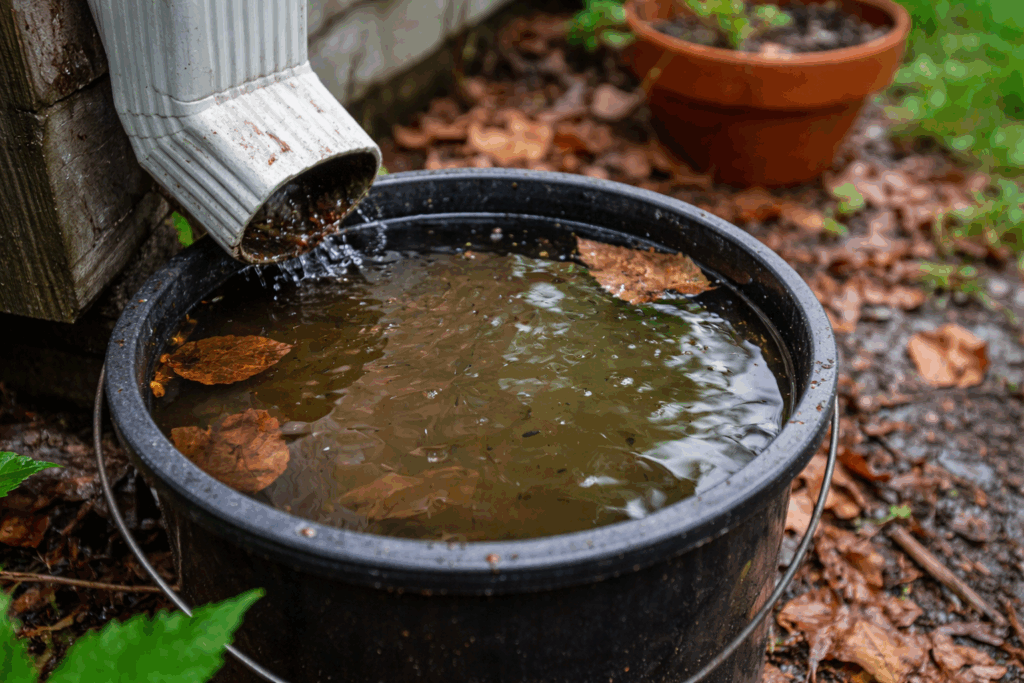
Standing water is the foundation of mosquito reproduction.
Spring preparation focuses on removing common breeding sources such as:
Addressing these areas early limits the first wave of mosquito breeding.
2. Managing Landscape Growth Before Summer Heat
As spring progresses, vegetation thickens and creates shaded, humid environments mosquitoes rely on.
Early-season landscape maintenance helps by:
Reducing resting areas makes it harder for adult mosquitoes to remain active.

3. Inspecting Irrigation Systems Early
Irrigation plays a major role in mosquito habitat across Northwest Los Angeles.
Spring preparation includes:
Efficient irrigation reduces unnecessary standing water.
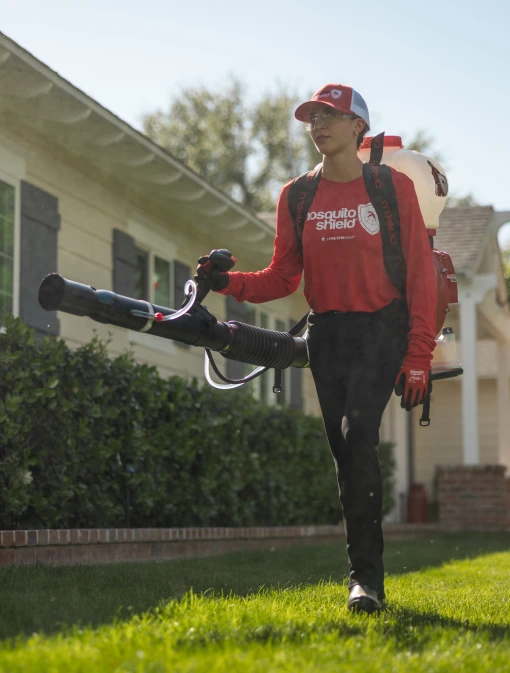
4. Interrupting Mosquito Life Cycles Before Peak Season
Spring preparation focuses on prevention rather than reaction.
Once mosquito populations expand during summer, control becomes more difficult.