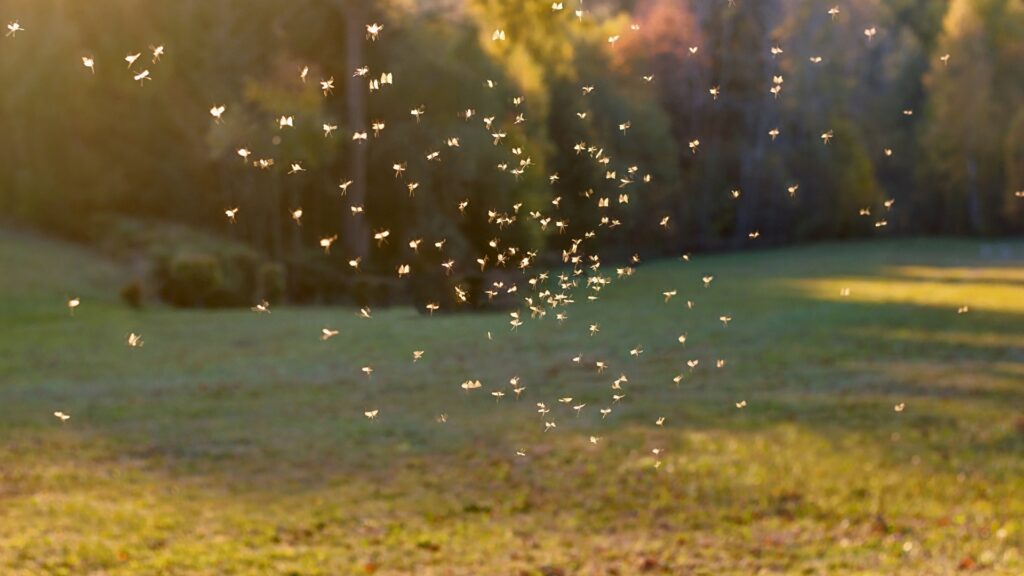
West Nile Virus remains the primary mosquito-borne concern in the Commonwealth. The Northern House Mosquito (Culex pipiens) is the chief vector. Unlike other species, these mosquitoes thrive in organic-rich, stagnant water often found in urban infrastructure, such as storm drains and catch basins.
Local Risk: In 2025, health departments in the Fairfax Health District identified positive WNV mosquito pools as early as late May, highlighting that the transmission window often begins before the peak of summer heat.
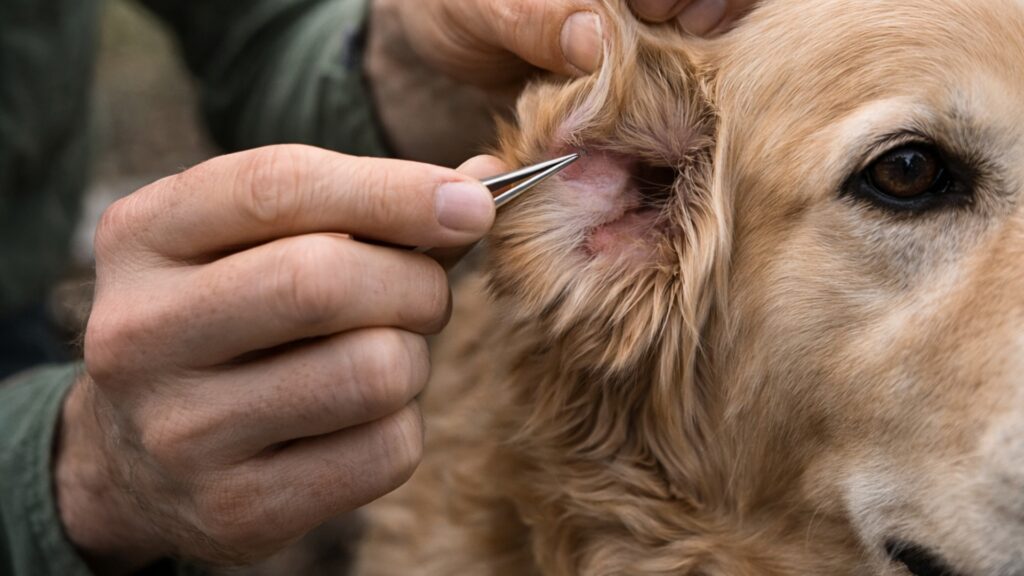
The Blacklegged Tick (Ixodes scapularis), often called the deer tick, is responsible for the vast majority of tick-borne illnesses in Northern Virginia.
The Nymphal Threat: Most human infections occur in late spring and early summer (May through July) when ticks are in their nymphal stage. At this stage, they are roughly the size of a poppy seed, making them extremely difficult to detect.
Pathogens: Beyond Lyme disease, this species can transmit Anaplasmosis, Babesiosis, and the rare but serious Powassan virus.
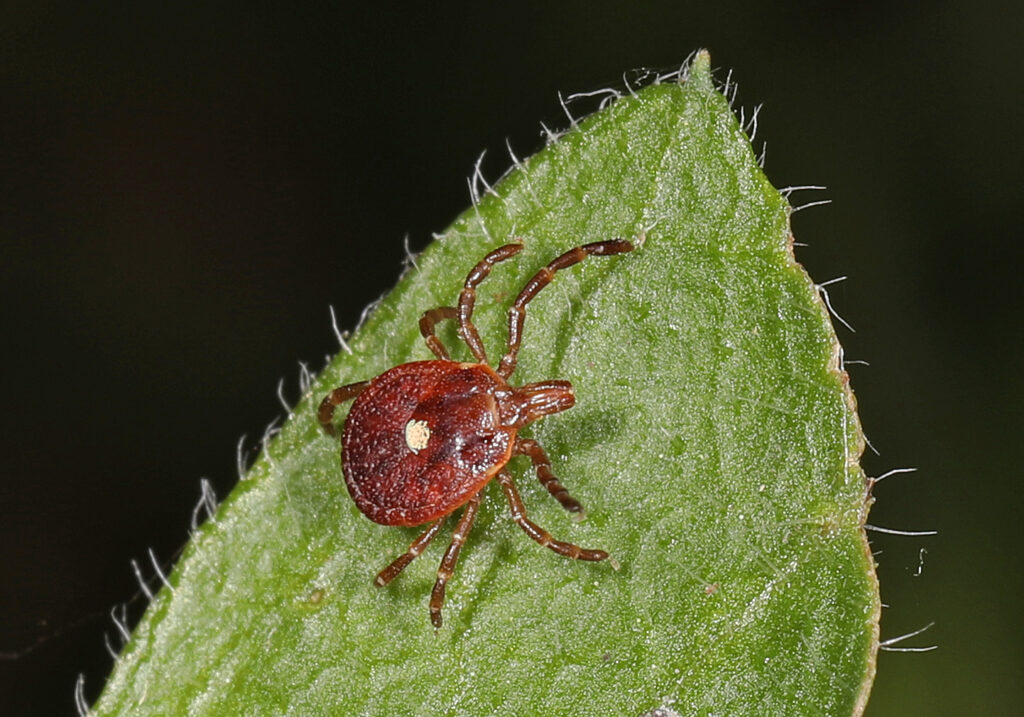
The Lone Star Tick (Amblyomma americanum) has seen a significant population surge in Northern Virginia.
Alpha-gal Syndrome (AGS): As of September 2024, AGS—a serious red meat allergy triggered by a tick bite—became a reportable condition in Virginia.
Ehrlichiosis: This tick is also the primary vector for Ehrlichiosis, which can cause severe flu-like symptoms and is frequently reported in the region during the summer months.