Experience relaxation and peace in your backyard with our proven mosquito control solution. Trusted by families in Belle Haven, our innovative approach not only repels mosquitoes but also establishes a durable barrier customized to your outdoor environment. Mosquito Shield of Northern Virginia is dedicated to creating mosquito-free zones, so you can enjoy your outdoor spaces without interruption.

Effective mosquito control in Belle Haven, VA, that drives mosquitoes away and keeps them out of your yard.

Enjoy mosquito-free outdoor time in Belle Haven with treatments designed to provide lasting results.

Highly rated mosquito control services in Belle Haven, trusted by residents to enhance outdoor living.


Belle Haven, Virginia, is a Fairfax County community located south of Old Town Alexandria along the Potomac River. Residential neighborhoods, parks, golf course property, shoreline areas, and the nearby Dyke Marsh Wildlife Preserve connect the community to tidal wetlands, freshwater marsh habitat, and low-lying coastal ground. With its close relationship to the Potomac River and surrounding wetland environments, Belle Haven can experience substantial mosquito activity and favorable conditions for ticks in wooded and vegetated areas.
Marsh edges, tidal lowlands, drainage channels, shaded yards, and water left behind after storms or flooding can support mosquito breeding, while wooded property borders, brushy park margins, tall grass, and dense landscaping can provide habitat for ticks.
Residents may face mosquito-borne illnesses such as West Nile Virus, along with tick-borne diseases including Lyme disease and Rocky Mountain Spotted Fever. Preventive steps can help protect outdoor spaces around homes, patios, walking trails, waterfront areas, and recreational properties.
Effective homeowner strategies include:
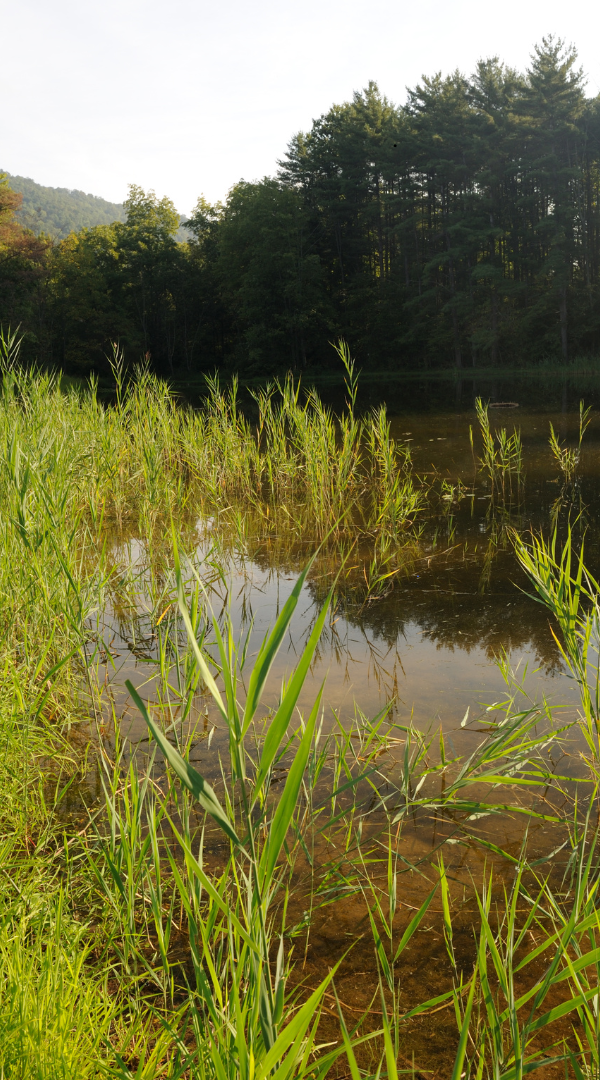
The weather in Belle Haven reflects Northern Virginia’s humid climate, with cool winters, wet springs, hot summers, and frequent periods of heavy rain. Mosquito activity typically rises in late spring and remains strong through summer into early fall, especially when storms, tidal moisture, or coastal flooding leave water standing near the Potomac River and nearby wetlands. Ticks may remain active from early spring through late autumn in shaded, brushy, and wooded areas that hold moisture.