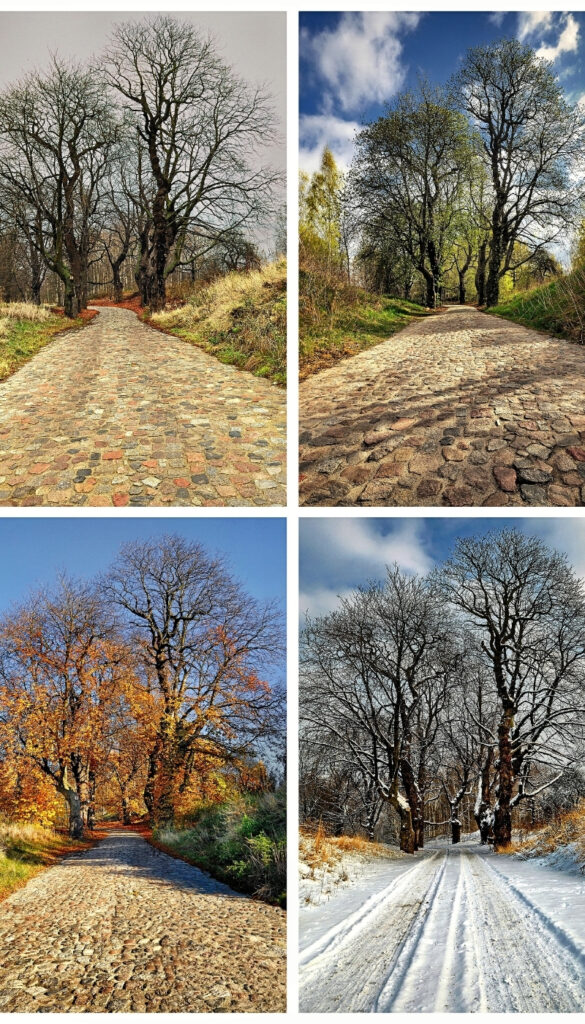
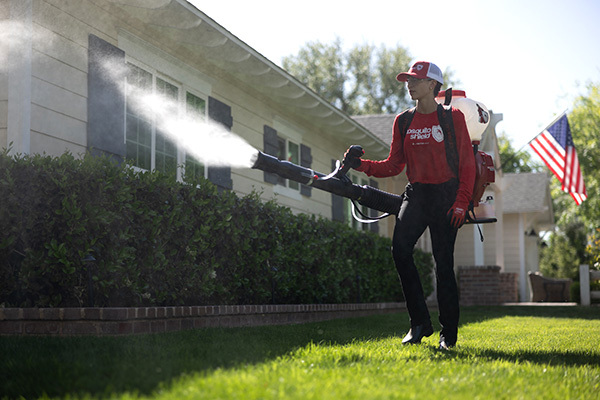
Northern Virginia including areas such as Fairfax, Arlington, Loudoun, Prince William, and Alexandria experiences a humid subtropical climate with warm springs, hot summers, and mild-to-cool autumns. These weather patterns create long periods of mosquito activity each year, especially in communities with dense tree cover, creek systems, parks, and suburban neighborhoods.
Increasing temperatures and consistent rainfall signal the start of mosquito season.
Eggs laid the previous fall begin hatching in puddles, woodland pools, clogged gutters, and shaded yard areas.
Communities near the Potomac River, local lakes, and stream valleys see early population growth.
Spring thunderstorms followed by warm, humid air accelerate larval development.
Peak mosquito season across Northern Virginia.
Daily highs in the upper 80s and 90s, paired with high humidity, shorten the mosquito breeding cycle to 5–7 days.
Afternoon storms create repeated waves of standing water, triggering rapid mosquito surges.
Culex mosquitoes — which can carry West Nile virus — become highly active during dusk and nighttime hours.
Shaded, wooded, and moisture-rich environments help mosquitoes persist even during hot, sunny days.
Mosquitoes remain active well into the fall as long as nighttime temperatures stay above 50°F.
Remnants of tropical storms or early fall rain events can cause late-season spikes.
Activity only begins to decline after the first frost, which in Northern Virginia may arrive as late as late October or early November.
Cold temperatures significantly reduce mosquito activity.
However, mosquitoes are not eliminated:
Aedes eggs remain dormant in soil and containers through winter.
Some Culex mosquitoes overwinter in culverts, crawl spaces, or protected structures.
Occasional warm winter days can trigger limited adult activity.