As the crisp air settles over North Attleboro and the leaves begin to fall, many residents assume the worst of tick season is behind them. But fall in southeastern Massachusetts doesn’t mean tick activity comes to a halt. In fact, ticks remain a hidden concern well into the cooler months and understanding their behavior this time of year can help reduce unwanted bites during your outdoor routines.
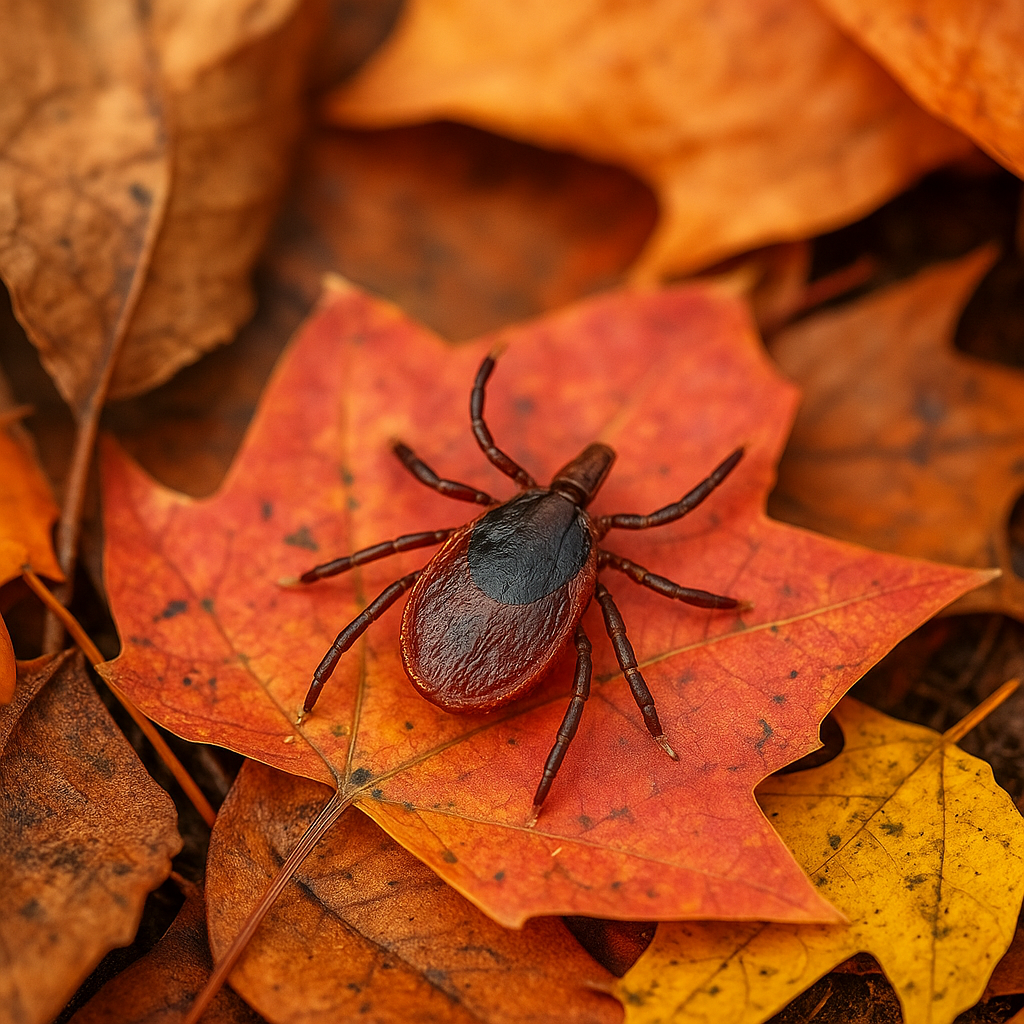
Ticks don’t vanish with the first chill. In North Attleboro, temperatures often hover in a tick-friendly range throughout September, October, and even early November. These pests remain active as long as the ground isn’t frozen and daytime temperatures stay above 40°F. During autumn, ticks are particularly drawn to shaded leaf litter, tall grasses, and the wooded edges common in backyards, parks, and walking trails around the Ten Mile River and Falls Pond.

Fall is a time when residents and their pets spend more time outdoors enjoying local foliage walks, backyard fire pits, and weekend yard cleanups. These activities create perfect conditions for tick encounters. Many ticks, especially the black-legged (deer) tick, are still actively seeking hosts during the fall. Nymphs and adults are both capable of latching on, particularly during damp or overcast days when humidity remains trapped under layers of leaves.
At Mosquito Shield, we specialize in shielding your home and yard from more than just mosquitoes. Our comprehensive pest control solutions effectively treat these common outdoor pests:
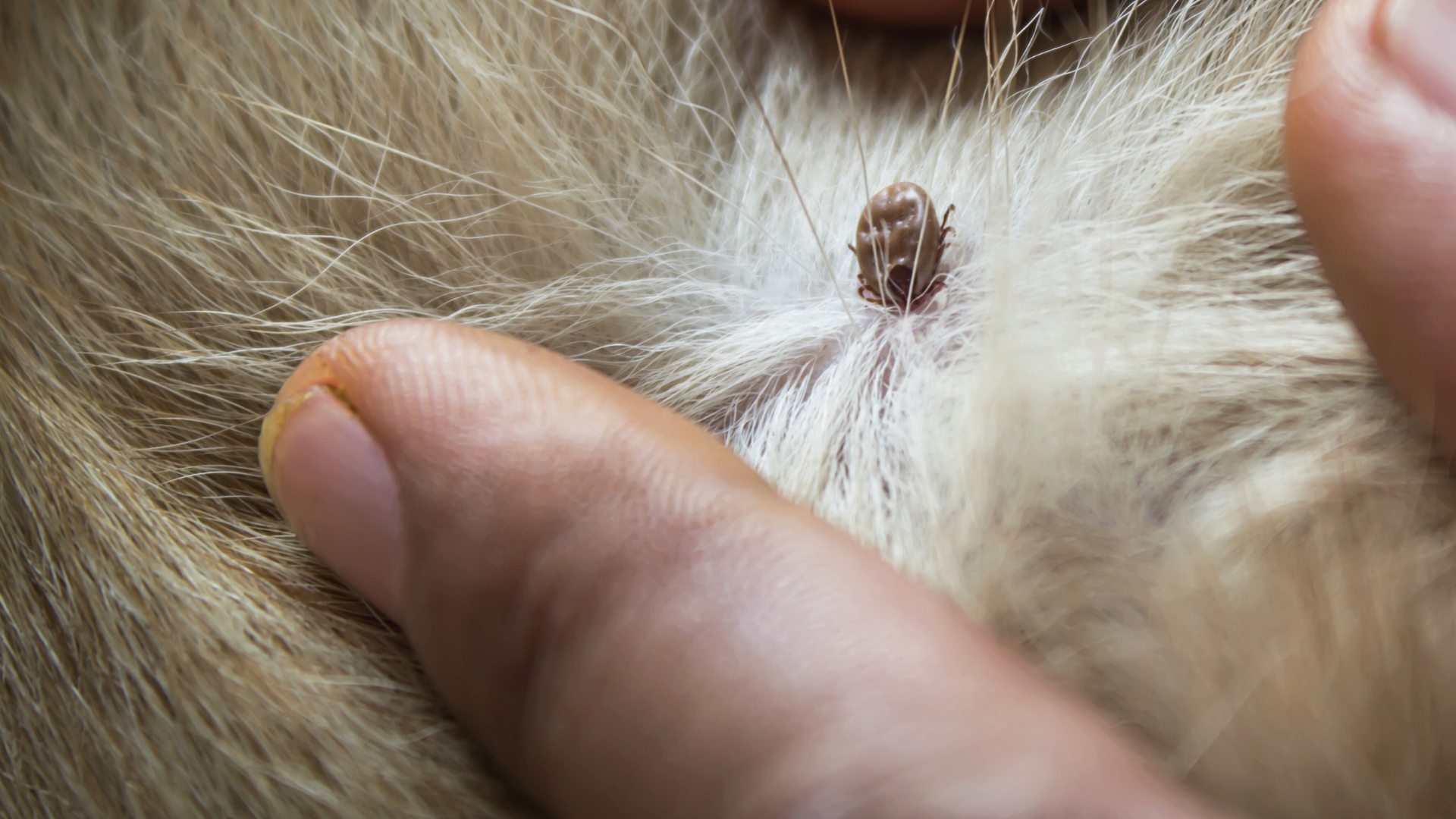
Unlike mosquitoes, ticks don’t simply disappear until spring. Certain species, like the deer tick, remain active through much of the fall and even winter, especially if there’s a mild stretch of weather. They are capable of questing for hosts any time conditions are favorable. That’s why homeowners might still spot ticks on pets or even clothing after raking leaves or taking a walk through damp, wooded areas.

Here are a few localized strategies to reduce the risk of ticks around your home and favorite outdoor spots:
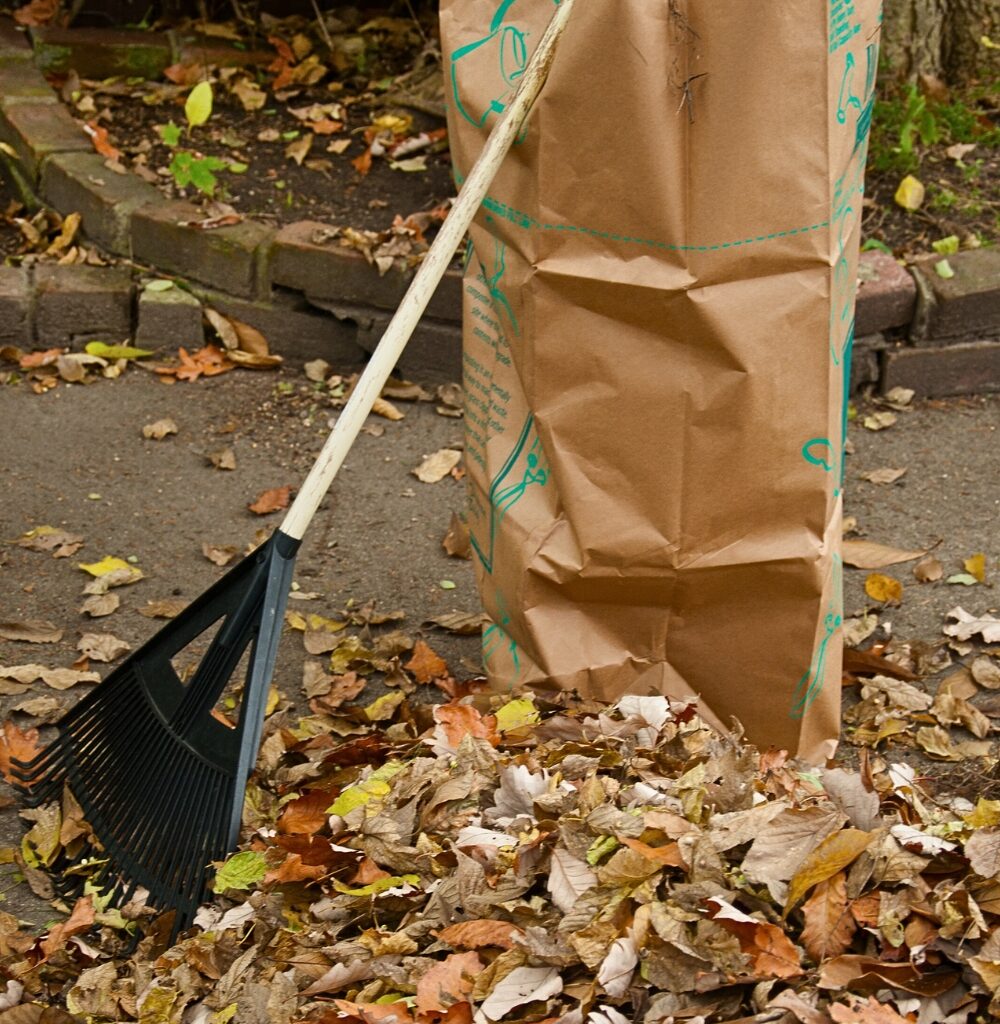
Rake and remove leaf litter regularly—ticks thrive in moist, shady areas under leaves.
Keep grass trimmed and shrubs pruned near paths, fences, and wooded edges.
Avoid walking through brushy or overgrown trails, especially near the edges of woods or water.
Wear light-colored clothing during outdoor activities to spot ticks more easily.
Schedule regular treatments during the fall months to help reduce tick populations in your yard before winter.