Experience relaxation and peace in your Hugo backyard with our proven mosquito control solution. Trusted by families in Hugo, our innovative approach not only repels mosquitoes but also establishes a durable barrier customized to your outdoor environment. Mosquito Shield of Twin Cities is dedicated to creating mosquito-free zones, so you can enjoy your outdoor spaces without interruption.
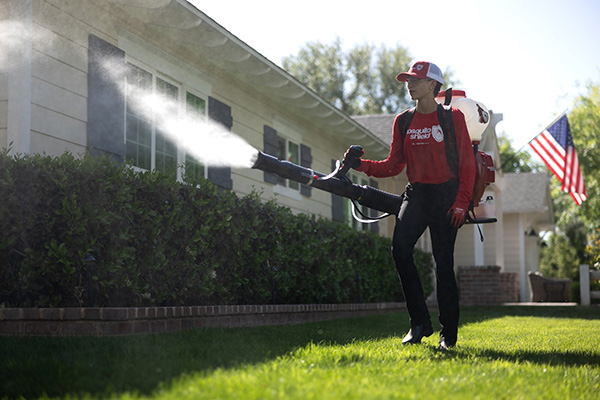
Effective mosquito control in Hugo, MN, that drives mosquitoes away and keeps them out of your yard.

Enjoy mosquito-free outdoor time in Hugo with treatments designed to provide lasting results.
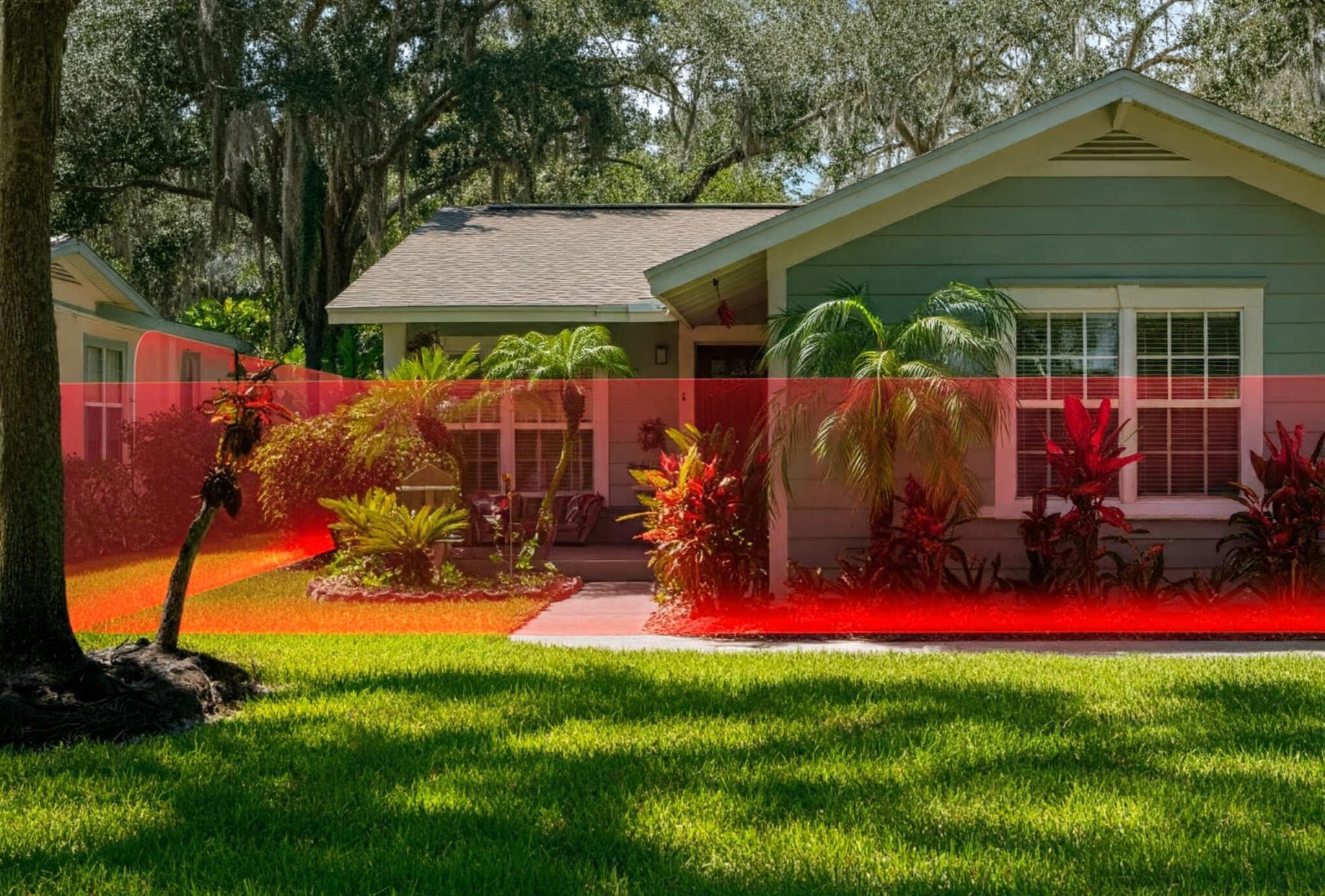
Highly rated mosquito control services in Hugo, trusted by residents to enhance outdoor living.


Hugo, Minnesota, is a fast-growing city in Washington County, blending rural charm with modern neighborhoods and lakeside living. With beautiful areas like Oneka Lake, Rice Lake, and Lions Park, residents enjoy outdoor activities year-round. But Hugo’s humid summers, plentiful wetlands, and wooded surroundings also make it an ideal habitat for mosquitoes and ticks during the warmer months.
Residents of Hugo face seasonal challenges from mosquito-borne illnesses such as West Nile Virus and Zika Virus, as well as tick-borne diseases including Lyme disease and Rocky Mountain Spotted Fever. With a strong emphasis on outdoor recreation and backyard entertaining, reliable mosquito and tick control plays a crucial role in maintaining quality of life throughout the season.
To help manage pest activity, residents are encouraged to:
Remove standing water from containers, drains, and yard décor where mosquitoes may breed.
Apply repellent and wear long-sleeved clothing during early morning and evening hours.
Schedule routine mosquito and tick treatments to maintain a more comfortable outdoor space.
The Metropolitan Mosquito Control District conducts mosquito management throughout Hugo, including larval site treatment and occasional fogging in response to rising mosquito activity.

Hugo’s climate features warm, humid summers and frequent rainfall, both of which contribute to an extended mosquito and tick season from late spring through early fall. The city’s mix of lakes, fields, and wooded greenways creates a natural environment where these pests can thrive.
Key Factors Influencing Pest Activity:
Mosquitoes and Standing Water: With lakes, wetlands, and ditches nearby, Hugo properties often experience higher mosquito activity after storms or irrigation.
Ticks and Shaded Vegetation: Areas with dense tree cover, tall grasses, and backyard brush provide ideal habitats for ticks, especially in spring and fall.
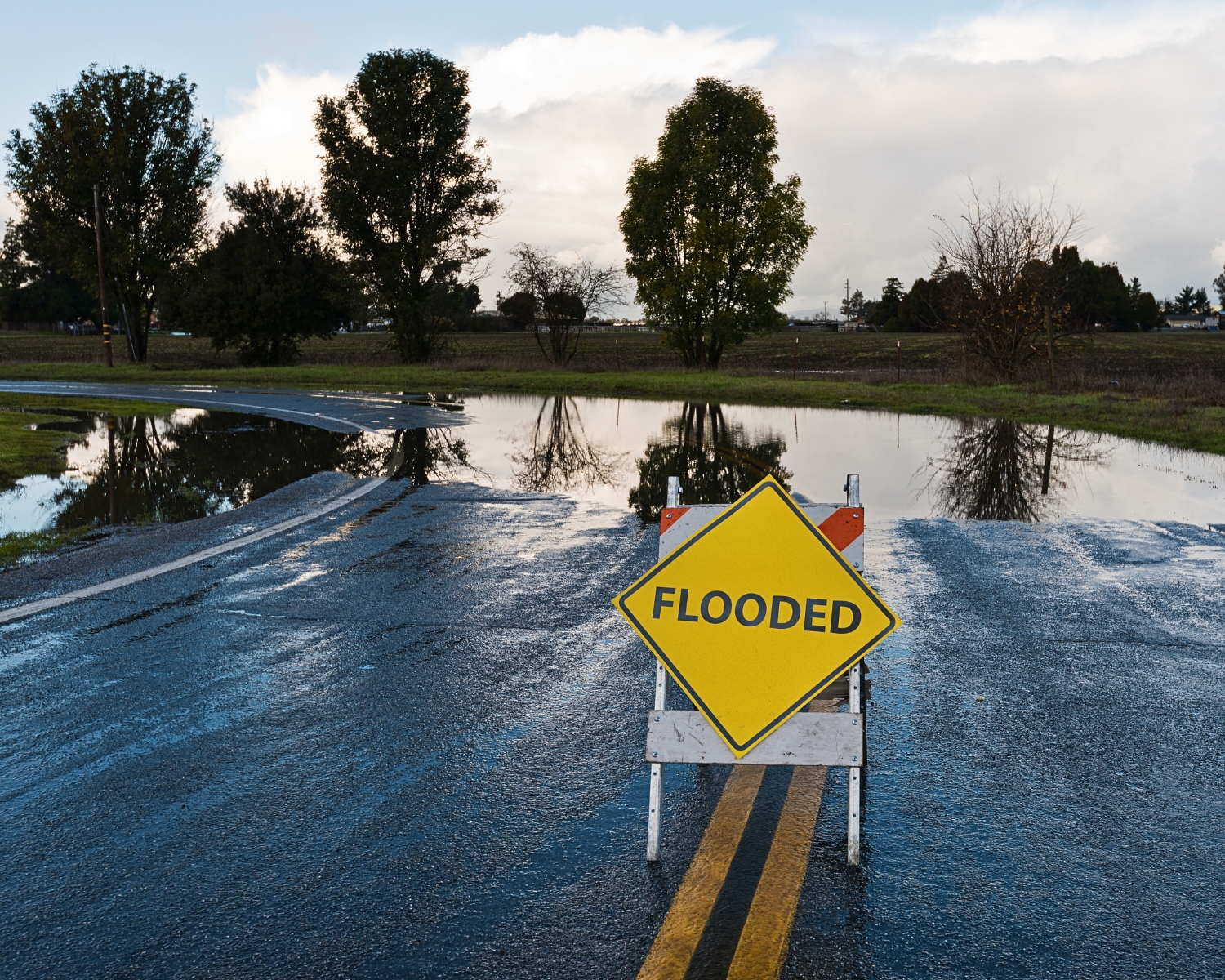
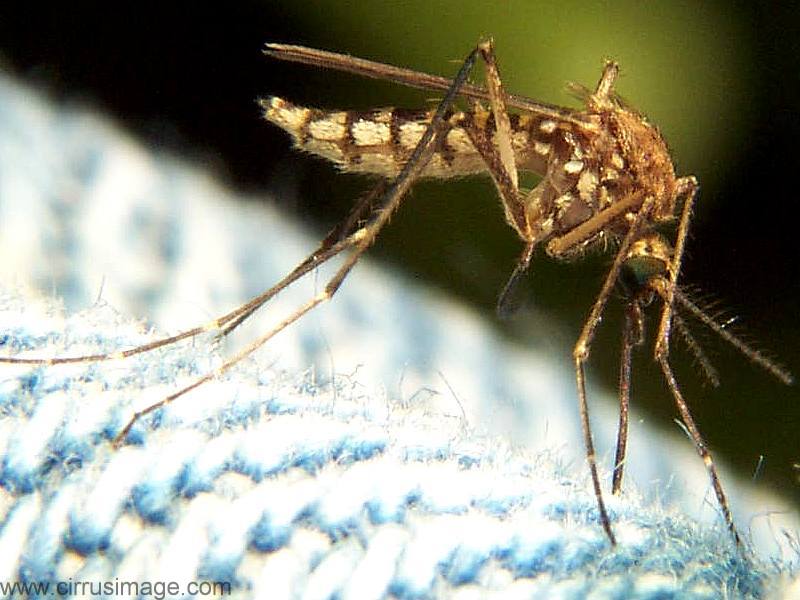
Identification: Medium-sized mosquito with white bands on the legs and abdomen. Breeding: Lays eggs in flood-prone areas, especially temporary pools formed by spring snowmelt or summer thunderstorms. Behavior: Very aggressive biter; active at dawn and dusk, especially in late spring and summer. Health Risks: While not a major disease vector, its sheer population numbers and biting intensity make it a serious nuisance.
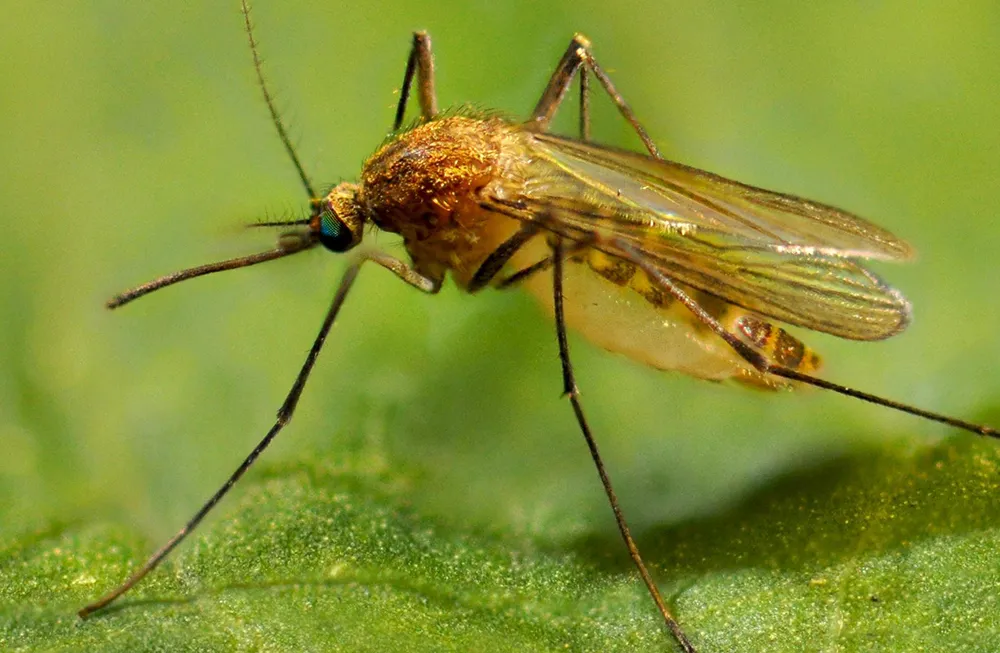
Identification: Small, light brown mosquito with a blunt abdomen tip. Breeding: Prefers stagnant, nutrient-rich water like storm drains, rain barrels, birdbaths, and neglected pools. Behavior: Primarily active aCulex pipiens (Northern House Mosquito)fter sunset; bites humans while sleeping. Health Risks: Main carrier of West Nile virus in Minnesota; can also transmit encephalitis viruses.
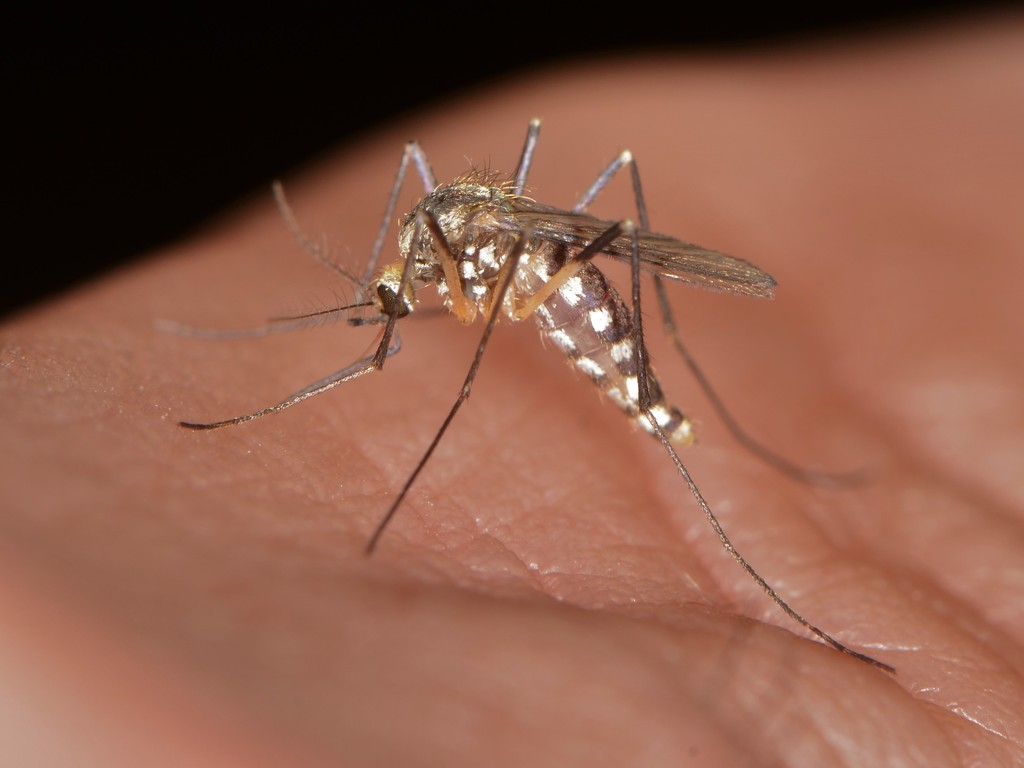
Identification: Dark brown mosquito with silver scales and distinct patterns on its thorax.Aedes triseriatus (Eastern Tree Hole Mosquito) Breeding: Lays eggs in natural and artificial containers—tree holes, tires, buckets, and even toys. Behavior: Daytime biter; females are aggressive and often go unnoticed until after the bite. Health Risks: Main vector of La Crosse encephalitis, a rare but serious disease affecting the brain, primarily in children.
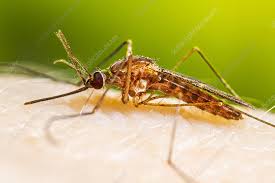
Identification: Brown body with four distinct dark spots on the wings; rests at a 45-degree angle. Anopheles quadrimaculatus (Common Malaria Mosquito) Breeding: Clean, slow-moving freshwater in marshes, ponds, and creeks. Behavior: Active during dusk and dawn. Health Risks: Historically the primary vector of malaria in the U.S., though transmission is now rare. Still causes itchy, irritating bites.
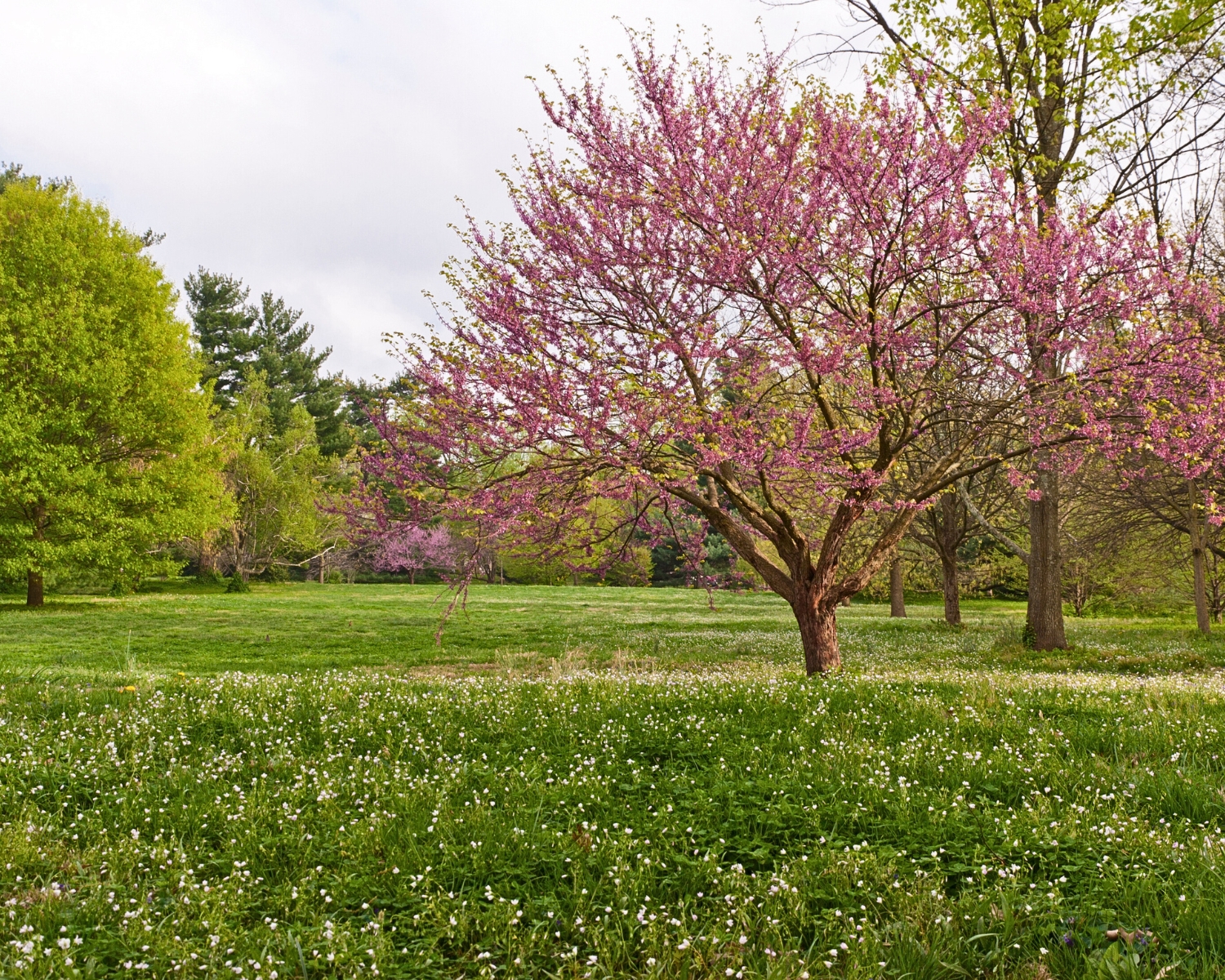
Key Activity: Mosquito season begins as temperatures rise consistently above 50°F and spring rains saturate the ground.
**Breeding:** Melting snow and early rains create puddles and temporary pools—perfect for floodwater species like *Aedes vexans* to emerge in large numbers.
**Common Species Active:**
*Aedes vexans*: One of the earliest and most aggressive biters; thrives in flood-prone areas.
*Culex pipiens*: Begins to appear as standing water becomes more abundant in urban areas.
**Behavior:** Activity ramps up quickly in late May. Expect biting at dawn, dusk, and humid overcast days—especially near wooded or wetland areas.

Key Activity: This is peak mosquito season in the Twin Cities—warm temps, frequent rain, and long daylight hours create ideal conditions.
**Breeding:** Stagnant water from rainstorms, irrigation, and clogged gutters fuels fast population growth. Backyard containers and natural wetlands are prime zones.
**Common Species Active:**
*Culex pipiens*: Most common in cities and suburbs; a known carrier of West Nile virus.
*Aedes triseriatus*: Active in tree-covered areas and backyard containers; carries La Crosse encephalitis.
**Behavior:** Mosquitoes are aggressive across all hours, especially near wooded trails, wetlands, and water sources. Biting pressure is at its highest.
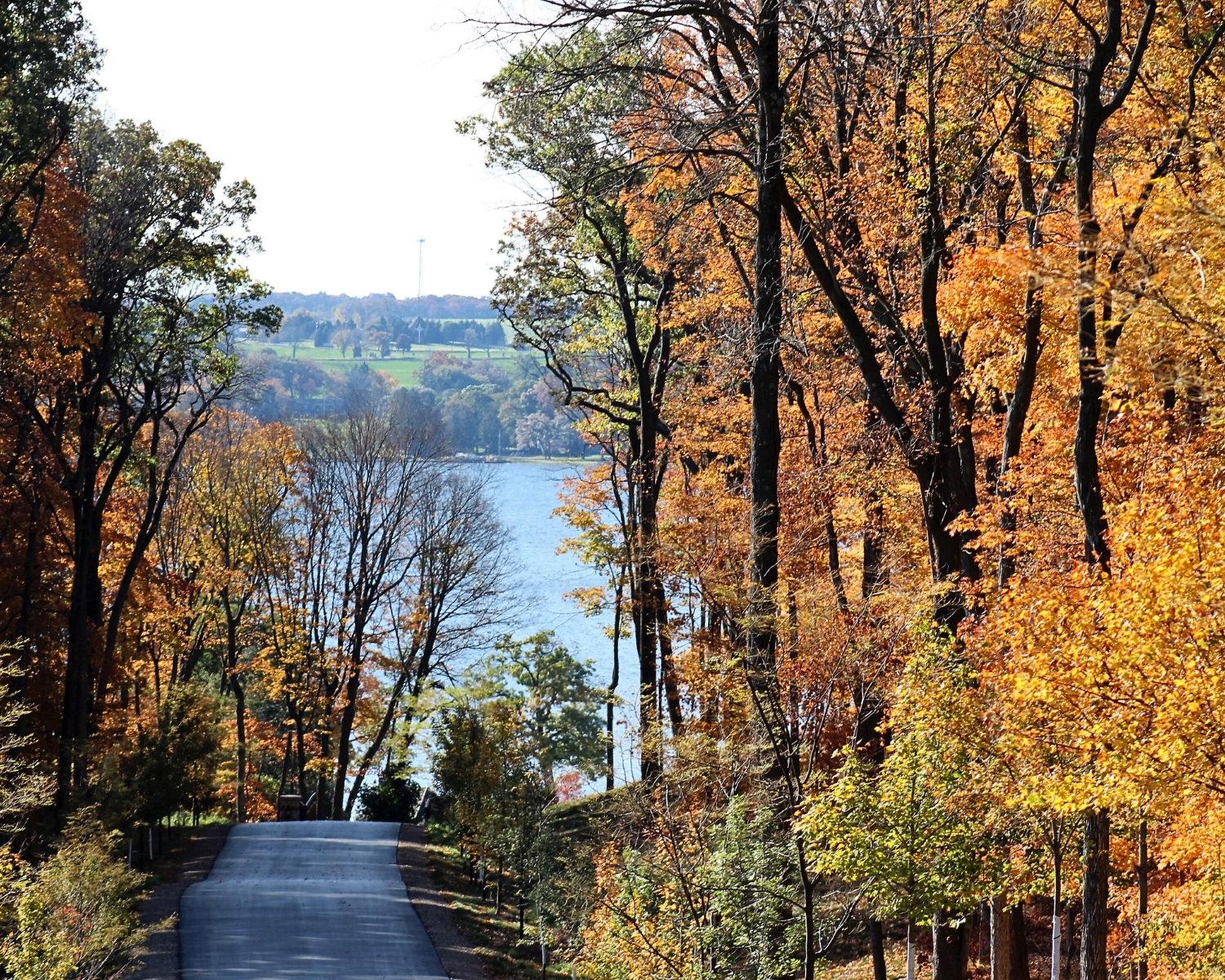
Key Activity: Mosquito populations start to taper off, but warm days and early fall rains can trigger one last wave.
**Breeding:** Fewer breeding opportunities as temperatures drop, but lingering water sources can still support active populations.
**Common Species Active:**
*Aedes vexans*: May persist in low-lying areas if rain occurs.
*Culex pipiens*: Begins entering dormancy, but can still bite during warm evenings.
**Behavior:** Activity is reduced, but not gone—especially in flood-prone areas or on warmer-than-average days.
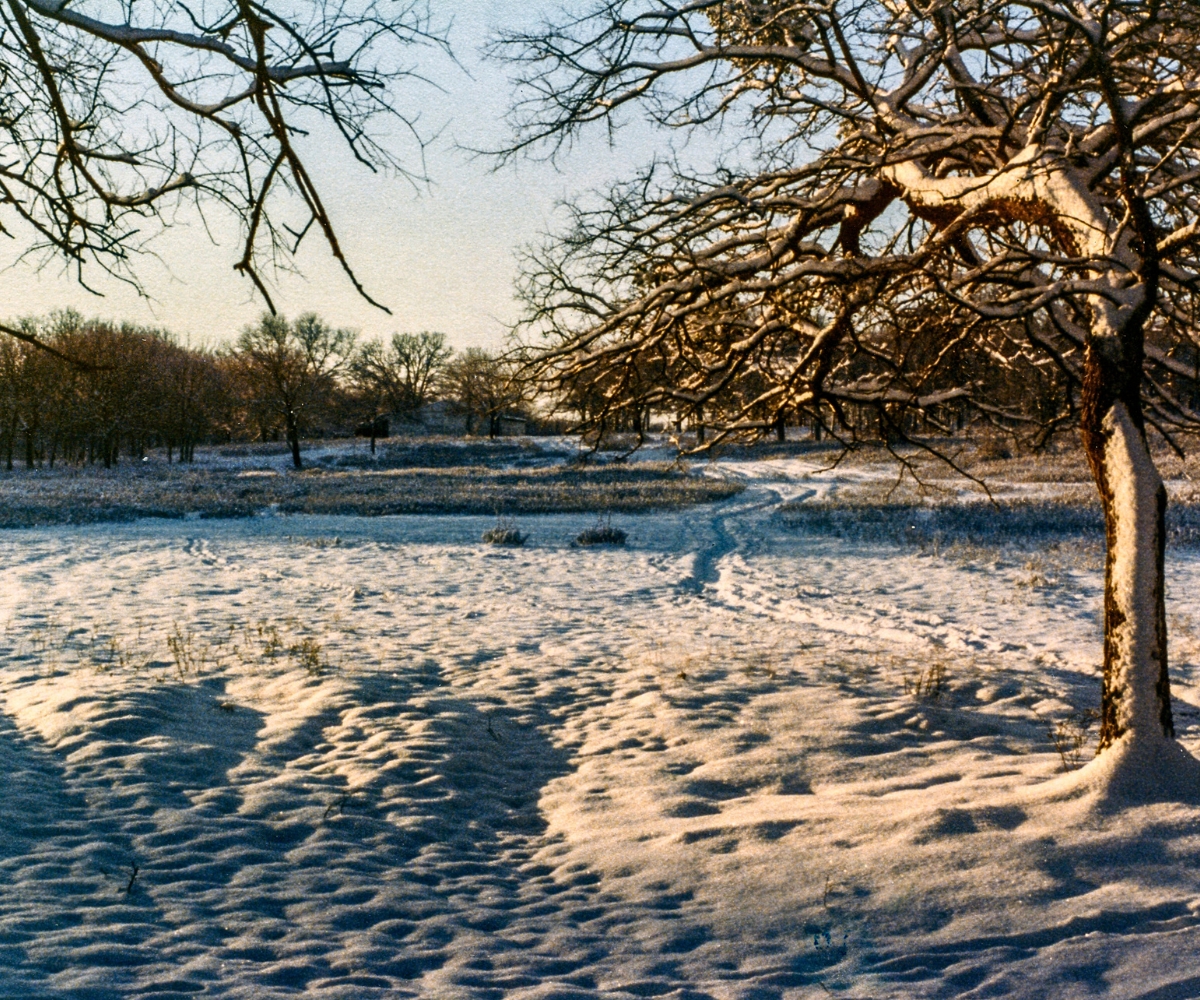
Key Activity: Mosquito season is fully dormant. Freezing temperatures eliminate adults, and the cycle pauses until spring.
**Eggs:** Some species—like *Aedes triseriatus*—lay hardy eggs in dry areas like tree holes or containers. These eggs survive winter and hatch with the first spring rains.
**Adults:** *Culex* mosquitoes may overwinter in protected locations like crawl spaces or basements, but bites are extremely rare this time of year.
**Behavior:** No significant mosquito activity during the long Minnesota winter—this is the only true mosquito “off-season.”