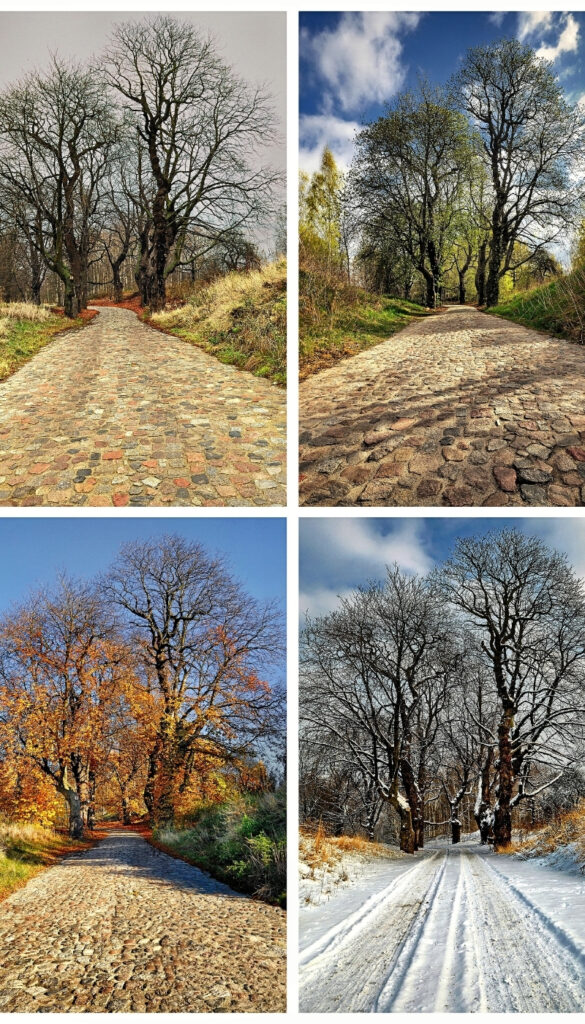
Southeastern Pennsylvania’s wooded trails, rolling hills, and humid summers make it a prime environment for ticks. These small arachnids are remarkably resilient and highly sensitive to changes in temperature, humidity, and vegetation density. Understanding how local weather patterns and seasonal transitions influence tick behavior can help residents stay alert throughout the year.
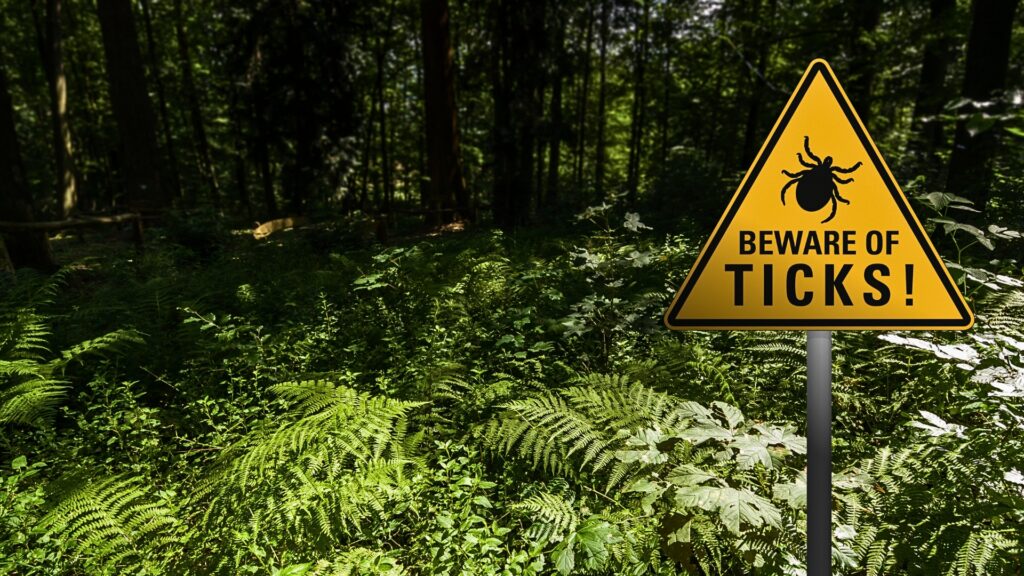
From early spring through late fall, tick activity across Pennsylvania intensifies—particularly among blacklegged ticks (Ixodes scapularis), the species responsible for spreading Lyme disease. As temperatures rise and moisture returns to the ground, adult ticks become more active in search of hosts. Areas with tall grass, leaf litter, and shaded tree lines common throughout Chester, Bucks, and Montgomery Counties serve as natural habitats for these pests.
Recent studies indicate that the mild winters and wet springs seen in Southeastern Pennsylvania are extending the traditional tick season. Even a few unseasonably warm days in late winter can trigger early activity, leading to higher population densities by mid-summer.
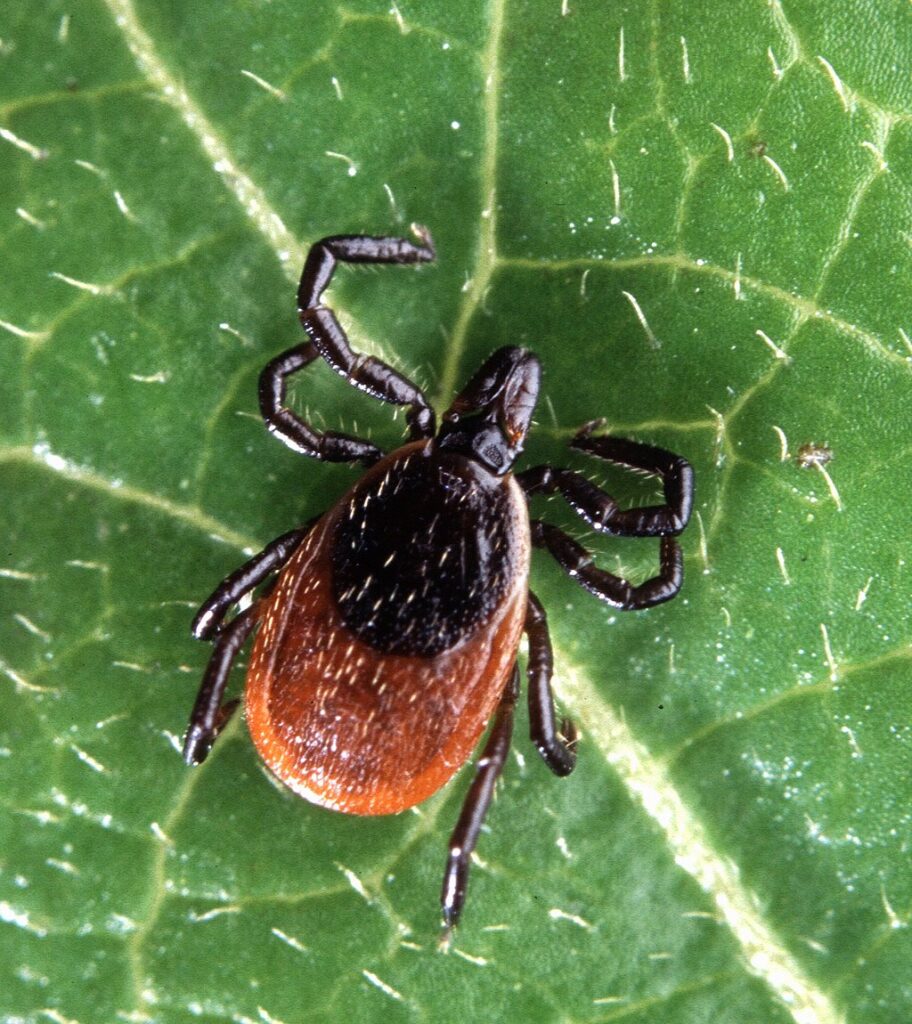
Early Spring (March–May)
Ticks emerge from dormancy as temperatures climb above 45°F. Nymphs are particularly active in late spring, representing the stage most likely to transmit disease due to their small size and tendency to go unnoticed.
Summer (June–August)
Peak activity arrives as humidity rises and vegetation flourishes. Ticks remain abundant in wooded and shaded areas, especially near hiking paths, gardens, and properties with dense landscaping. Frequent rainstorms can sustain ideal conditions for survival and reproduction.
Autumn (September–November)
Adult ticks become active once again, seeking hosts before winter. Leaf accumulation and lingering warmth make fall yard maintenance crucial for reducing tick habitats.
Winter (December–February)
Ticks enter a semi-dormant state but may still become active on mild days above freezing, especially if sheltered under leaves or mulch. This extended activity window has grown longer over the past decade due to regional warming trends.