Experience relaxation and peace in your Hatboro backyard with our proven mosquito control solution. Trusted by families in Hatboro, our innovative approach not only repels mosquitoes but also establishes a durable barrier customized to your outdoor environment. Mosquito Shield of Southeastern PA is dedicated to creating mosquito-free zones, so you can enjoy your outdoor spaces without interruption.

Effective mosquito control in Hatboro, PA, that drives mosquitoes away and keeps them out of your yard.

Enjoy mosquito-free outdoor time in Hatboro with treatments designed to provide lasting results.

Highly rated mosquito control services in Hatboro, trusted by residents to enhance outdoor living.
Hatboro, Pennsylvania, is a historic borough in Montgomery County known for its established neighborhoods, walkable downtown corridor along York Road, and access to nearby parks and waterways. With residential yards, community events, and proximity to Pennypack Creek and local green spaces, residents spend much of the warmer months outdoors. However, Hatboro’s humid summers, seasonal rainfall, and surrounding wooded areas create favorable conditions for mosquito and tick activity throughout much of the season.
Residents of Hatboro face seasonal risks from mosquito borne illnesses such as West Nile Virus, along with tick borne diseases including Lyme disease and Rocky Mountain Spotted Fever. With backyard gatherings, neighborhood parks, and outdoor recreation being central to community life, proactive mosquito and tick control supports comfort and overall quality of life.
To help reduce mosquito and tick activity, residents are encouraged to:
Remove standing water around properties, including in gutters, planters, birdbaths, and low lying areas of the yard.
Use insect repellent and wear protective clothing during peak mosquito activity periods in the early morning and evening.
Schedule recurring professional mosquito and tick treatments to maintain enjoyable outdoor spaces.

Hatboro experiences warm, humid summers and cold winters, resulting in a defined mosquito and tick season that typically runs from late spring through early fall. Seasonal rainfall, nearby creek systems, and shaded residential landscapes contribute to standing water and moisture rich environments where mosquitoes and ticks thrive.
Key Factors Influencing Pest Activity:
Mosquitoes and Local Waterways: Pennypack Creek, drainage systems, retention areas, and backyard water features increase mosquito activity during warmer months.
Ticks and Wooded Green Spaces: Tree lined neighborhoods, brush covered edges, and park areas create ideal habitats for ticks, particularly during spring and early fall.

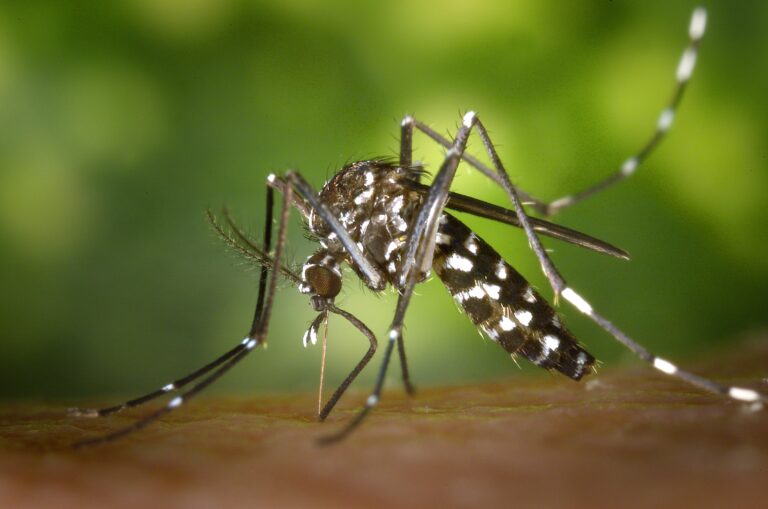
Identification: Black with a distinctive white stripe down the back and banded legs.
Habitat: Found around patios, wooded edges, and yards with dense vegetation or standing water in items like toys and birdbaths.
Behavior: Daytime biter, often targets ankles and lower legs.
Health Risks: Can transmit Zika, West Nile, and dengue viruses.
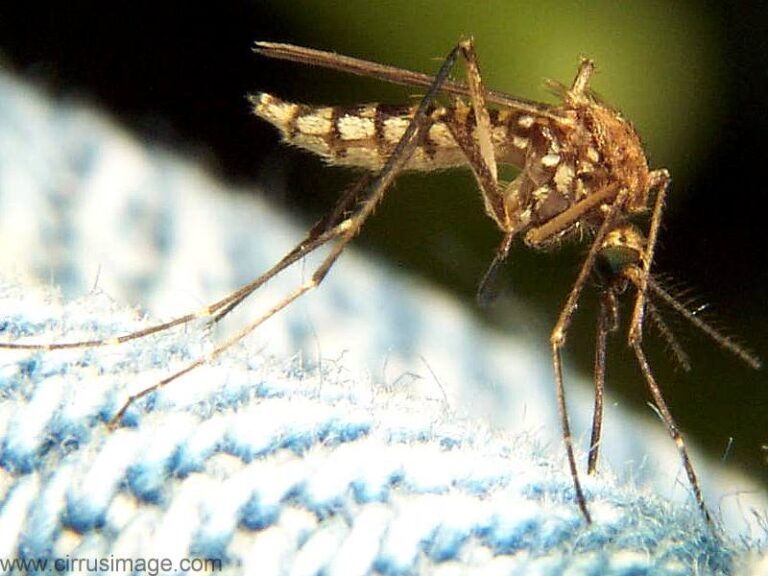
Identification: Brown body with white banding on the legs and abdomen.
Habitat: Common in floodplain fields, roadside ditches, and any area that holds temporary water after rain.
Behavior: Most active around dusk and after heavy rains.
Health Risks: Can cause severe biting irritation and may play a role in spreading West Nile virus.
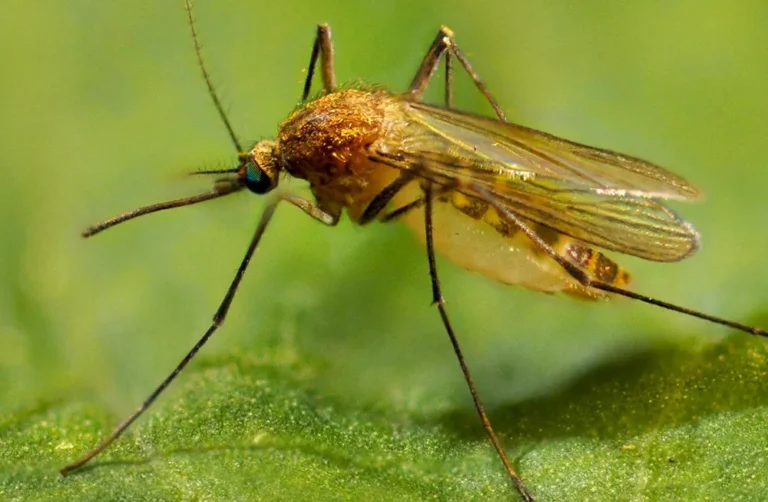
Identification: Light brown with darker bands across the abdomen.
Habitat: Breeds in stagnant water sources such as clogged gutters, rain barrels, and catch basins.
Behavior: Nocturnal biter that prefers birds but will feed on humans.
Health Risks: Primary vector for West Nile virus in Pennsylvania.
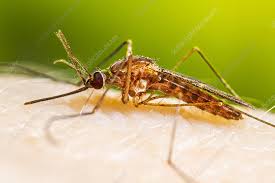
Identification: Medium-sized with four dark wing spots and an angled resting posture.
Habitat: Clean, slow-moving water like ponds, marshes, and creek edges.
Behavior: Active during dusk and dawn, especially in rural and semi-wooded areas.
Health Risks: Historically a malaria vector; currently causes irritating bites.
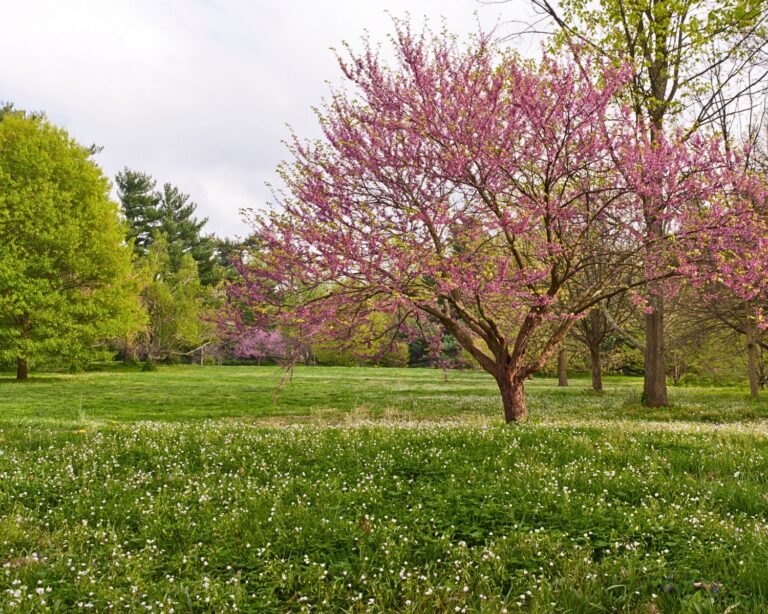
Key Activity: Mosquito activity begins as temperatures rise and spring rainstorms hit.
Breeding: Flooded lawns, puddles, and debris-filled containers become early-season breeding sites.
Common Species Active: Aedes vexans and Culex pipiens begin to emerge.
Behavior: Evening and early morning bites become more frequent by late spring.

Key Activity: Peak mosquito season—heat and humidity drive aggressive breeding.
Breeding: Anywhere water stands: gutters, planters, kiddie pools, and drainage ditches.
Common Species Active: Aedes albopictus, Aedes vexans, and Culex pipiens dominate.
Behavior: Biting pressure is high all day long, especially in shaded or wooded areas.
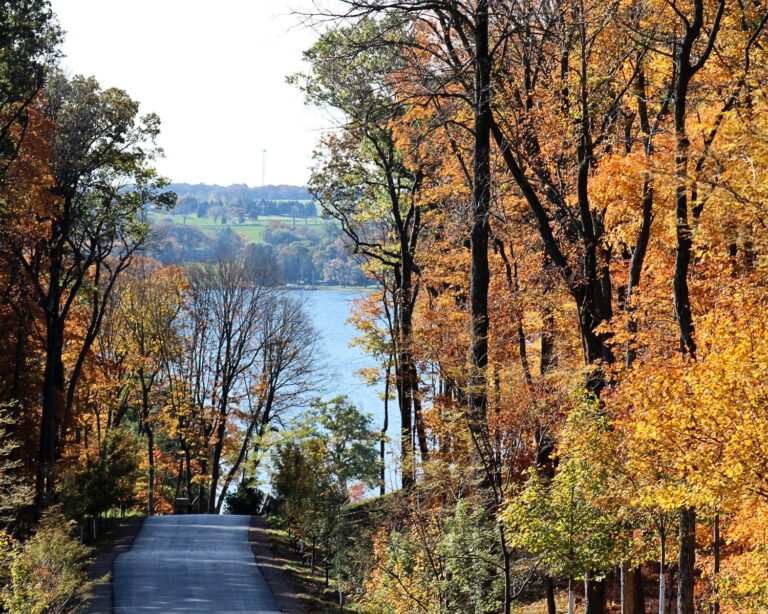
Key Activity: Activity decreases but persists through mild fall weather.
Breeding: Rainfall and leaf-clogged drains continue to provide habitat.
Common Species Active: Culex pipiens and some Aedes species remain present.
Behavior: Bites are common on warm fall days, especially during leaf removal and yard work.
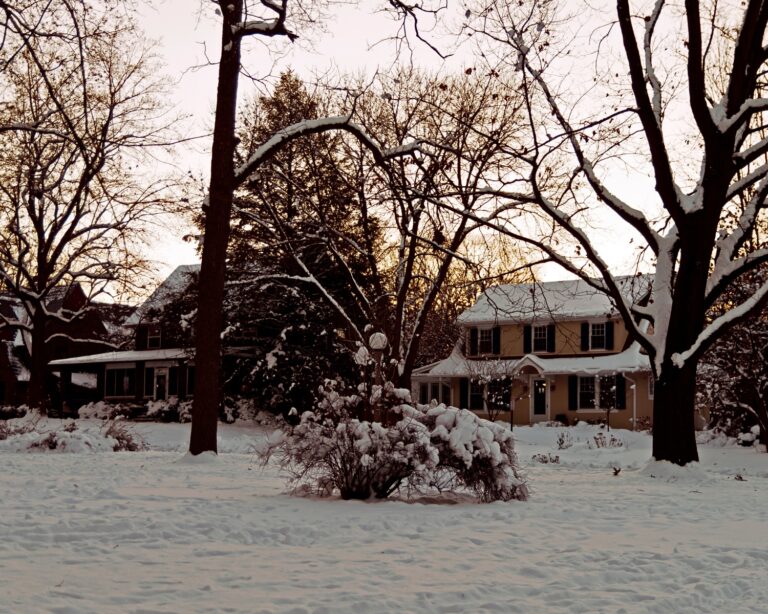
Key Activity: Most mosquito activity halts due to colder temperatures.
Eggs: Aedes eggs remain dormant in dry locations, hatching once spring returns.
Adults: Culex mosquitoes may overwinter in basements, crawlspaces, and sheds.
Behavior: Warm winter spikes can trigger brief mosquito activity, especially after rain.