Experience relaxation and peace in your Berwyn backyard with our proven mosquito control solution. Trusted by families in Berwyn, our innovative approach not only repels mosquitoes but also establishes a durable barrier customized to your outdoor environment. Mosquito Shield of Southeastern PA is dedicated to creating mosquito-free zones, so you can enjoy your outdoor spaces without interruption.

Effective mosquito control in Berwyn, PA, that drives mosquitoes away and keeps them out of your yard.

Enjoy mosquito-free outdoor time in Berwyn with treatments designed to provide lasting results.

Highly rated mosquito control services in Berwyn, trusted by residents to enhance outdoor living.


Berwyn, Pennsylvania, located in Chester County along the Main Line, is a charming suburban community known for its beautiful homes, excellent schools, and vibrant local parks. With outdoor spaces like Teegarden Park, Glen Brook Farm Trails, and proximity to Valley Forge National Historical Park, residents have plenty of ways to enjoy time outside. However, Berwyn’s warm, humid summers, steady rainfall, and heavily wooded areas create ideal conditions for mosquito and tick activity throughout much of the year.
Residents of Berwyn face seasonal risks from mosquito-borne illnesses such as West Nile Virus and Eastern Equine Encephalitis, along with tick-borne diseases like Lyme disease and Anaplasmosis. With outdoor living, backyard entertaining, and trail activities being part of everyday life, proactive mosquito and tick control is essential for protecting health and enhancing quality of life.
To help minimize these risks, Berwyn residents are encouraged to:
Routinely inspect and eliminate standing water from flower pots, birdbaths, playsets, and clogged gutters.
Use insect repellent and wear protective clothing during dawn and dusk when mosquito activity is highest.
Schedule regular mosquito and tick treatments for homes, yards, and community outdoor areas.
Chester County also offers mosquito surveillance and seasonal control efforts aimed at helping to reduce the spread of mosquito-borne illnesses across local neighborhoods.

Berwyn experiences hot, humid summers and cold winters, creating a mosquito and tick season that typically runs from late spring through early fall. Consistent rainfall, dense landscaping, and natural wooded areas contribute to environments where both mosquitoes and ticks can thrive.
Key Factors Influencing Pest Activity:
Mosquitoes and Water Collection: Backyard containers, decorative ponds, and clogged storm drains around Berwyn homes and parks provide breeding grounds for mosquitoes during warmer months.
Ticks and Forested Green Spaces: Wooded trails, shaded parks, and backyard tree lines create perfect environments for ticks, particularly during spring and fall.

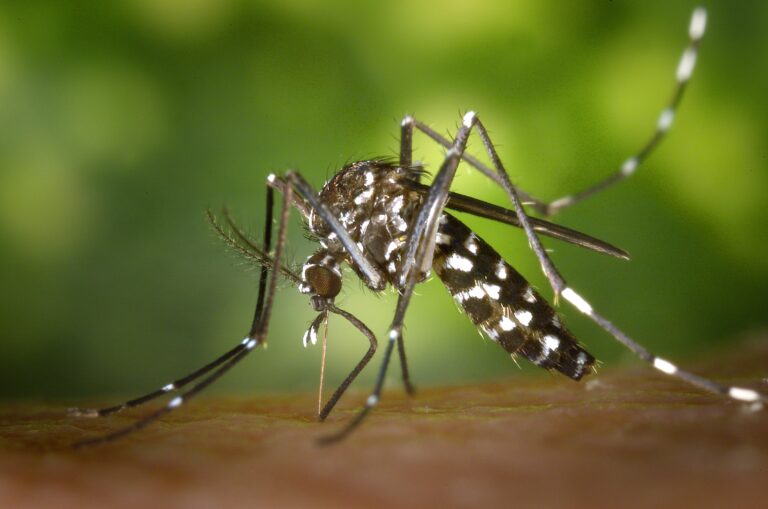
Identification: Black with a distinctive white stripe down the back and banded legs.
Habitat: Found around patios, wooded edges, and yards with dense vegetation or standing water in items like toys and birdbaths.
Behavior: Daytime biter, often targets ankles and lower legs.
Health Risks: Can transmit Zika, West Nile, and dengue viruses.
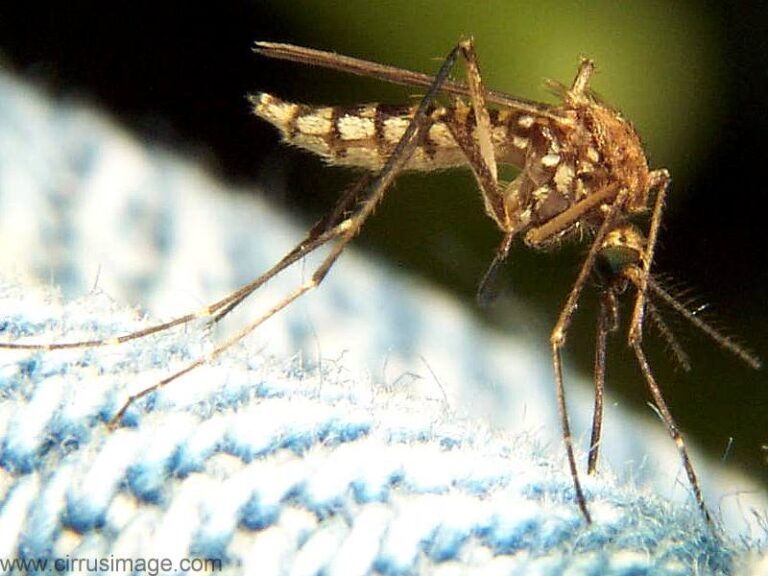
Identification: Brown body with white banding on the legs and abdomen.
Habitat: Common in floodplain fields, roadside ditches, and any area that holds temporary water after rain.
Behavior: Most active around dusk and after heavy rains.
Health Risks: Can cause severe biting irritation and may play a role in spreading West Nile virus.
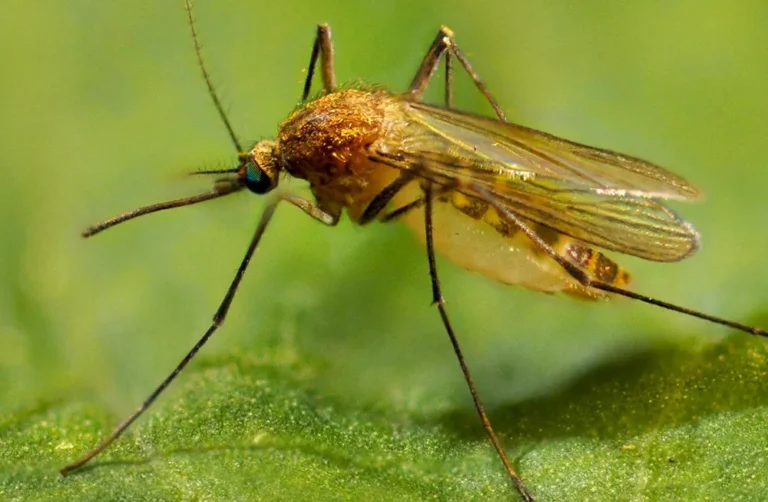
Identification: Light brown with darker bands across the abdomen.
Habitat: Breeds in stagnant water sources such as clogged gutters, rain barrels, and catch basins.
Behavior: Nocturnal biter that prefers birds but will feed on humans.
Health Risks: Primary vector for West Nile virus in Pennsylvania.
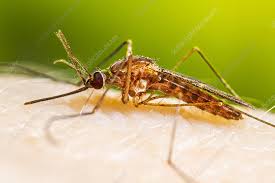
Identification: Medium-sized with four dark wing spots and an angled resting posture.
Habitat: Clean, slow-moving water like ponds, marshes, and creek edges.
Behavior: Active during dusk and dawn, especially in rural and semi-wooded areas.
Health Risks: Historically a malaria vector; currently causes irritating bites.

Key Activity: Mosquito activity begins as temperatures rise and spring rainstorms hit.
Breeding: Flooded lawns, puddles, and debris-filled containers become early-season breeding sites.
Common Species Active: Aedes vexans and Culex pipiens begin to emerge.
Behavior: Evening and early morning bites become more frequent by late spring.

Key Activity: Peak mosquito season—heat and humidity drive aggressive breeding.
Breeding: Anywhere water stands: gutters, planters, kiddie pools, and drainage ditches.
Common Species Active: Aedes albopictus, Aedes vexans, and Culex pipiens dominate.
Behavior: Biting pressure is high all day long, especially in shaded or wooded areas.
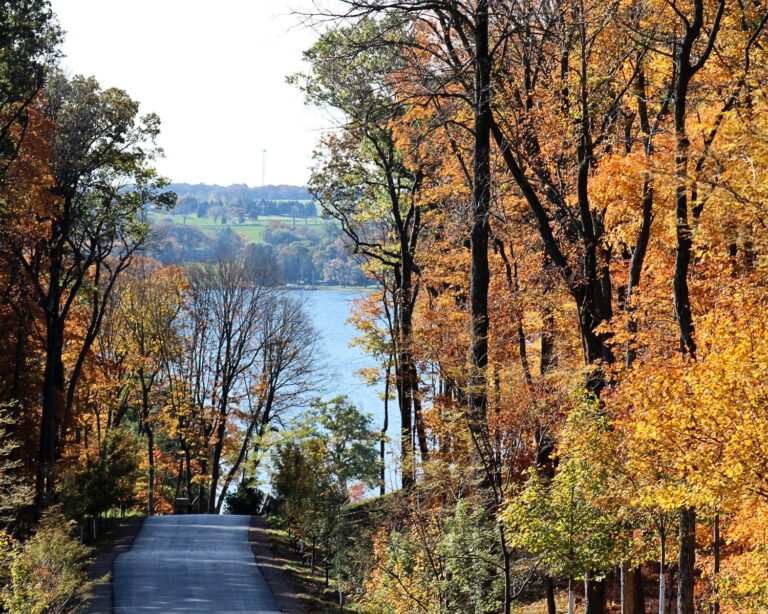
Key Activity: Activity decreases but persists through mild fall weather.
Breeding: Rainfall and leaf-clogged drains continue to provide habitat.
Common Species Active: Culex pipiens and some Aedes species remain present.
Behavior: Bites are common on warm fall days, especially during leaf removal and yard work.
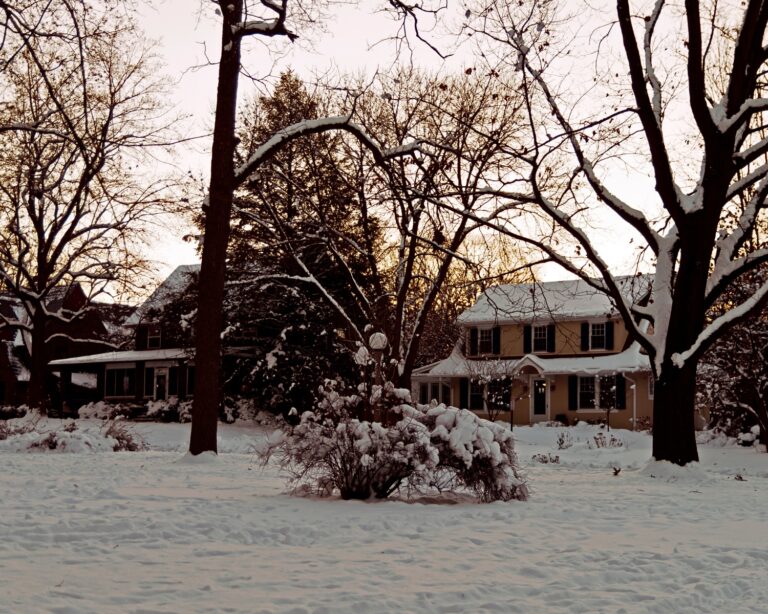
Key Activity: Most mosquito activity halts due to colder temperatures.
Eggs: Aedes eggs remain dormant in dry locations, hatching once spring returns.
Adults: Culex mosquitoes may overwinter in basements, crawlspaces, and sheds.
Behavior: Warm winter spikes can trigger brief mosquito activity, especially after rain.
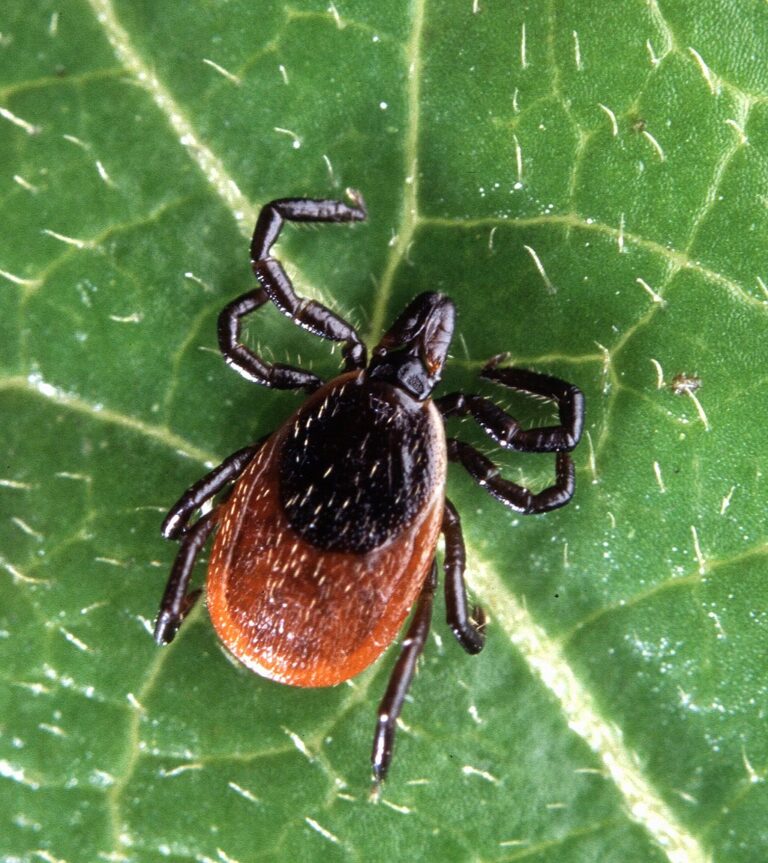
Deer ticks are small but dangerous, and they're a year-round concern in Southeastern PA. Adult females have a reddish-brown body with a dark dorsal plate, while nymphs are nearly invisible.
These ticks are often found in wooded areas, leaf piles, overgrown yards, and along the edge of hiking trails.
They are the main culprits behind Lyme disease, and can also carry anaplasmosis, babesiosis, ehrlichiosis, and Powassan virus. Tick checks after time outdoors are critical in this region.
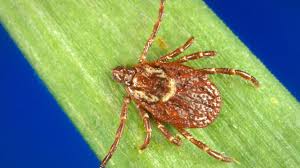
Wood ticks are larger and easier to spot, with reddish-brown coloring and silvery white markings. They're prevalent in grassy fields, hiking paths, and suburban parks.
These ticks often latch onto pets and people after outdoor activities.
While they don’t spread Lyme disease, they can carry Rocky Mountain spotted fever and tularemia, and their bites can lead to irritation or secondary infection if not removed properly.
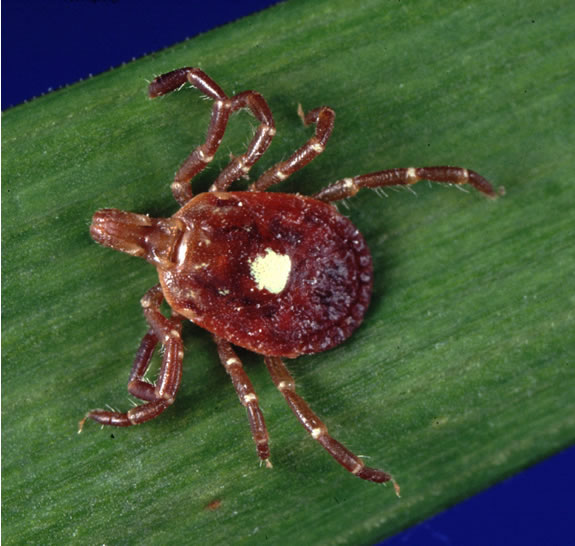
Once rare in Southeastern PA, Lone Star ticks are increasingly common. Females sport a single white dot on their back, and males have faint patterns along their edges.
They thrive in brushy woods and along wildlife corridors, and they’re aggressive biters.
These ticks can transmit ehrlichiosis and have been associated with alpha-gal syndrome, a red meat allergy linked to their bites.