Experience relaxation and peace in your Abington backyard with our proven mosquito control solution. Trusted by families in Abington, our innovative approach not only repels mosquitoes but also establishes a durable barrier customized to your outdoor environment. Mosquito Shield of Southeastern PA is dedicated to creating mosquito-free zones, so you can enjoy your outdoor spaces without interruption.

Effective mosquito control in Abington, PA, that drives mosquitoes away and keeps them out of your yard.

Enjoy mosquito-free outdoor time in Abington with treatments designed to provide lasting results.
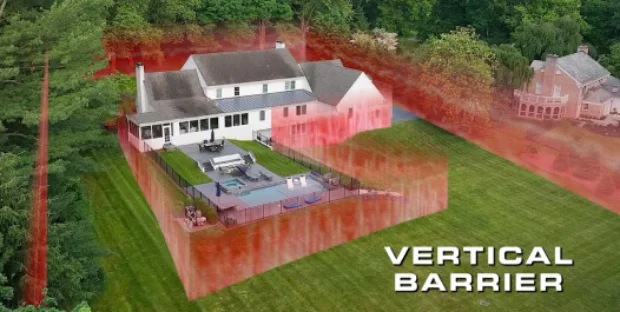
Highly rated mosquito control services in Abington, trusted by residents to enhance outdoor living.


Your family’s safety doesn’t stop at mosquitoes. Ticks can hide in grass, wooded edges, and shaded areas — putting kids and pets at risk. Our Tick Shield service is designed to reduce tick populations where they live, helping you create a safer, more comfortable yard all season long.
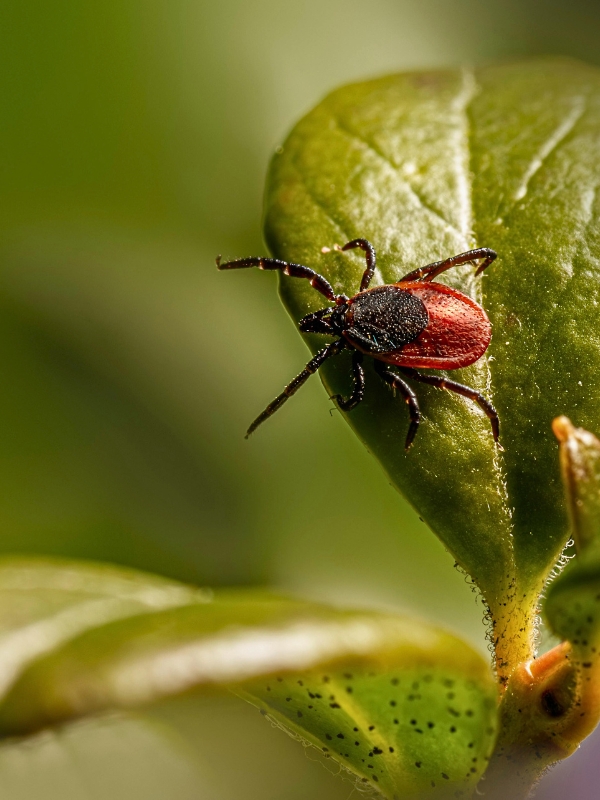
Deer ticks are small but dangerous, and they're a year-round concern in Southeastern PA. Adult females have a reddish-brown body with a dark dorsal plate, while nymphs are nearly invisible.
These ticks are often found in wooded areas, leaf piles, overgrown yards, and along the edge of hiking trails.
They are the main culprits behind Lyme disease, and can also carry anaplasmosis, babesiosis, ehrlichiosis, and Powassan virus. Tick checks after time outdoors are critical in this region.
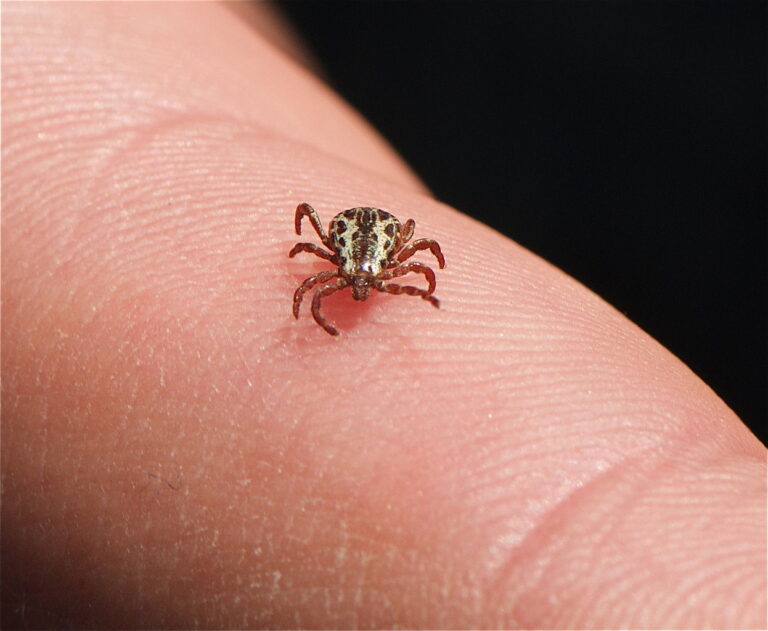
Wood ticks are larger and easier to spot, with reddish-brown coloring and silvery white markings. They're prevalent in grassy fields, hiking paths, and suburban parks.
These ticks often latch onto pets and people after outdoor activities.
While they don’t spread Lyme disease, they can carry Rocky Mountain spotted fever and tularemia, and their bites can lead to irritation or secondary infection if not removed properly.
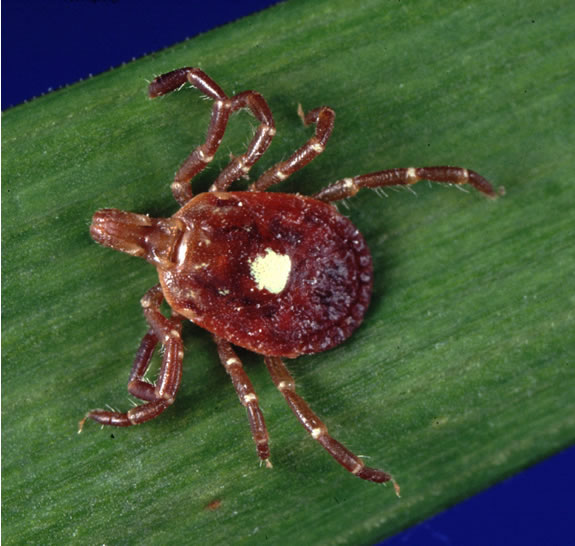
Once rare in Southeastern PA, Lone Star ticks are increasingly common. Females sport a single white dot on their back, and males have faint patterns along their edges.
They thrive in brushy woods and along wildlife corridors, and they’re aggressive biters.
These ticks can transmit ehrlichiosis and have been associated with alpha-gal syndrome, a red meat allergy linked to their bites.
Abington Township is one of Montgomery County’s oldest and most vibrant communities, characterized by its historic residential neighborhoods, top-tier schools, and extensive park systems. From the bustling corridors near Willow Grove Park Mall to the serene trails of the Briar Bush Nature Center and the recreational fields at Alverthorpe Park, residents enjoy a lifestyle deeply connected to the outdoors. However, Abington’s humid climate, combined with its many wooded suburban lots and local tributaries, creates favorable conditions for mosquito and tick activity throughout the spring, summer, and fall.
Residents in Abington face seasonal risks from mosquito-borne illnesses such as West Nile Virus, along with tick-borne diseases like Lyme disease, which is a persistent concern throughout Pennsylvania’s suburban corridors. With backyard barbecues, school sporting events, and community gatherings at the heart of local life, proactive mosquito and tick control supports more comfortable outdoor environments for families and pets.
To help reduce mosquito and tick activity, residents are encouraged to:
Remove standing water around properties, specifically in birdbaths, clogged gutters, flexible drainage pipes, and low-lying areas of the yard.
Keep lawn edges clear of overgrown brush and leaf litter, which serve as primary habitats for ticks.
Schedule recurring professional mosquito and tick treatments to maintain enjoyable outdoor spaces during the peak activity months.
Abington experiences warm, humid summers and consistent rainfall, contributing to an extended mosquito and tick season that typically begins in early spring and can last well into November. The township’s blend of manicured suburban lawns and preserved natural areas creates a diverse landscape where pests can thrive.
Key Factors Influencing Pest Activity:
Parks and Nature Centers: Expansive green spaces like Briar Bush Nature Center and Alverthorpe Park provide the dense foliage and shaded environments that act as natural reservoirs for ticks.
Watersheds and Drainage: Proximity to the Pennypack Creek watershed and various neighborhood retention basins provides the necessary moisture and standing water for mosquito reproduction.
Mature Suburban Landscaping: Many Abington properties feature established trees and ornamental gardens, which offer the shade and humidity mosquitoes require to remain active during the heat of the day.

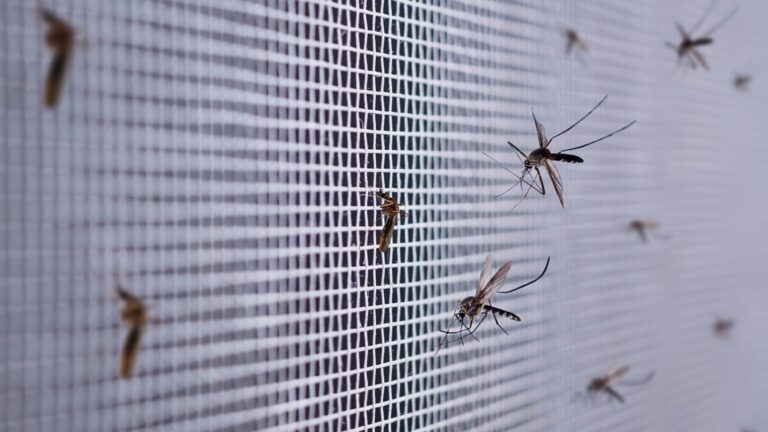
The 2026 mosquito season in Southeastern Pennsylvania is projected to experience above-average activity, driven by a wetter-than-usual winter and early spring...

Strategic landscaping is the first line of defense in reducing local mosquito and tick populations.
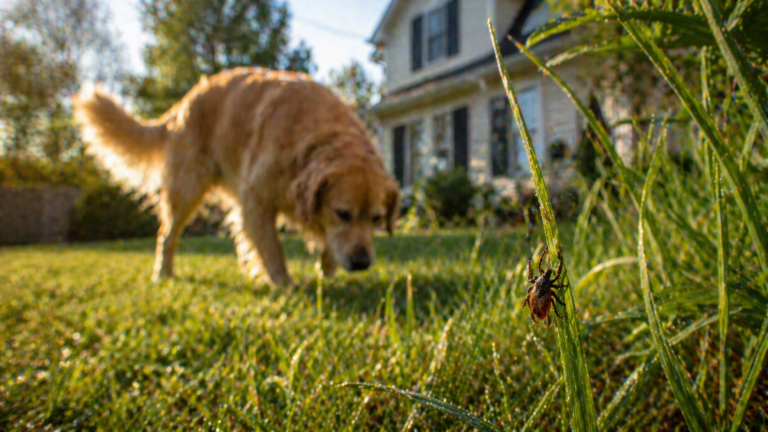
Southeastern Pennsylvania’s wooded trails, rolling hills, and humid summers make it a prime environment for ticks.