Southeastern PA

Spotting the Swarm Early Signs of a Mosquito Infestation in Southeastern PA

The Climate Factor in Southeastern PA

Southeastern Pennsylvania, encompassing the Philadelphia metro area, Bucks, Montgomery, Chester, and Delaware counties experiences a humid subtropical climate that heavily influences mosquito activity.

Mosquito season in this region typically begins in late April or early May when consistent temperatures reach 50°F (10°C). The combination of heavy spring showers and intense summer humidity creates the perfect incubator for mosquito eggs. Activity generally peaks during the sweltering months of July and August and does not subside until the first hard frost of late October or November.
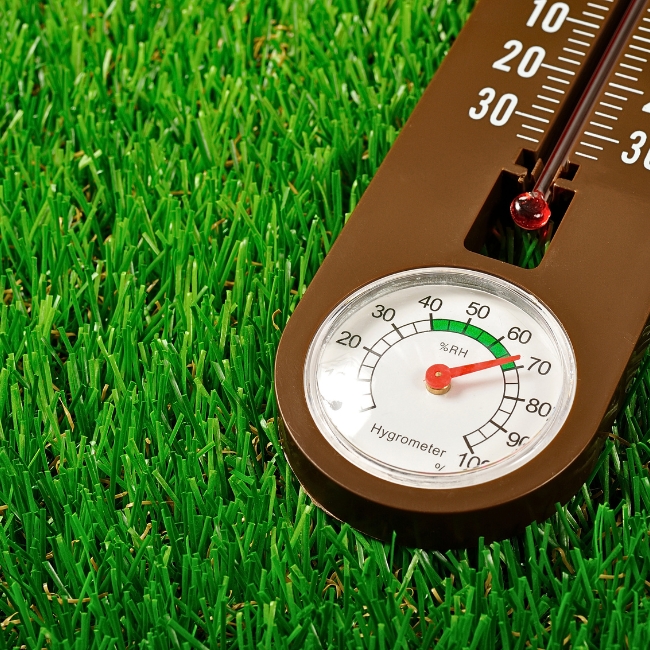
Humidity gauge Mosquito Shield

4 Early Warning Signs of an Infestation in Southeastern PA

Spotting an infestation early requires paying attention to subtle environmental cues in your yard or neighborhood.

1. The Presence of Wrigglers (Larvae)

The most definitive early sign of a mosquito infestation is the presence of larvae in standing water. Mosquitoes do not breed in moving water; they require stagnant pools to lay their eggs.

Within 24 to 48 hours, these eggs hatch into larvae, commonly called “wrigglers” due to their darting, twitching movements when disturbed. They are typically 1/4-inch long and hang upside down near the surface of the water to breathe.

Wrigglers (Larvae) Mosquito Shield

2. High-Pitched Buzzing at Dusk

While one or two mosquitoes might go unnoticed, a persistent, high-pitched whining sound, especially around dawn or dusk indicates a localized swarm. Mosquitoes are most active during these twilight hours (crepuscular behavior) when temperatures cool and winds die down.

Mosquito Swarm at Musk Mosquito Shield

3. Lingering in Shaded, Overgrown Areas

During the heat of a Southeastern PA summer day, adult mosquitoes seek refuge from the sun to avoid dehydration. If you walk through tall grass, dense shrubbery, or ivy and notice a sudden cloud of small insects taking flight, you have likely disturbed their resting habitat.

Shaded overgrown pond Mosquito Shield

4. Unexplained Bites During the Day

While the most common species in Pennsylvania are active at dawn and dusk, the invasive Aedes albopictus (Asian Tiger Mosquito) is an aggressive daytime biter. If you are sustaining mosquito bites in your yard during peak daylight hours, it is a strong indicator of an established, localized breeding population nearby.
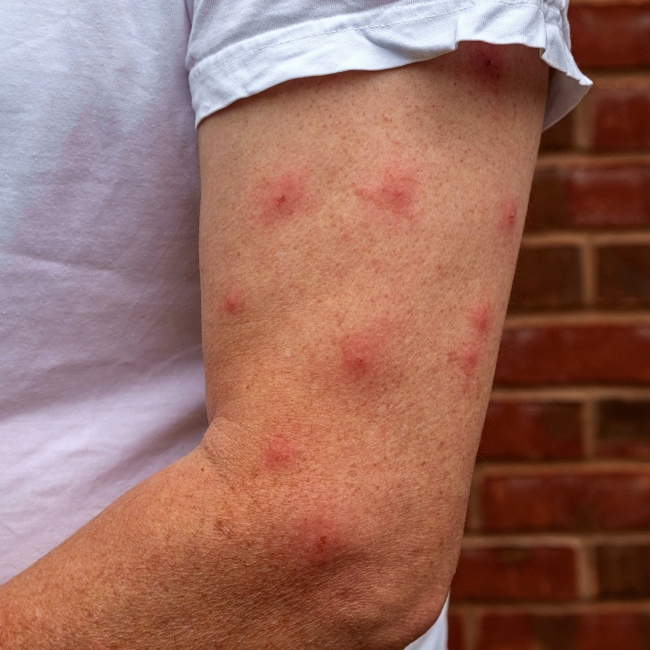
Mosquito Bites during the day Mosquito Shield

3 easy steps to backyard bliss

Win the backyard battle this year.

    Do you agree to receive text messages from Mosquito Shield? Message frequency may vary. Standard messaging and data rates apply. Text STOP to opt-out at any time. Text HELP for support or contact us. Privacy Policy/TOS.
    Yes, I agree to receive text messages from Mosquito Shield.
    No, I do not want to receive text messages from Mosquito Shield.

    See our Privacy Policy/TOS for details on how we handle your information.

    1. 1

      Request Your Free Quote

      We’re out to kill mosquitoes, not your budget. We’ll be upfront about all costs, and you’ll know exactly what payments will look like before you start. Speak to one of our professionals today about getting a quote for your property.
    2. 2

      Schedule Your Service

      Once you’ve received a quote, you can move forward and begin seeing a difference with our services. Any mosquitoes in the area will be killed on contact and a barrier created to deter new mosquitoes from coming in. It takes less than 48 hours to notice a difference.
    3. 3

      Get Back Outside

      You no longer have to wonder what life would be like without mosquitoes. Go back to enjoying any and all outdoor activities without unwanted guests. Taking care of mosquitoes on your property has never been easier.
    Ready To Get Started?
    Buy Now

    Common Breeding Grounds in the Delaware Valley

    To stop an infestation, you have to know where it starts. In the dense suburban and urban landscapes of Southeastern PA, micro-habitats are abundant. A female mosquito needs less than a bottle cap full of water to lay up to 300 eggs.

    Common culprits include:
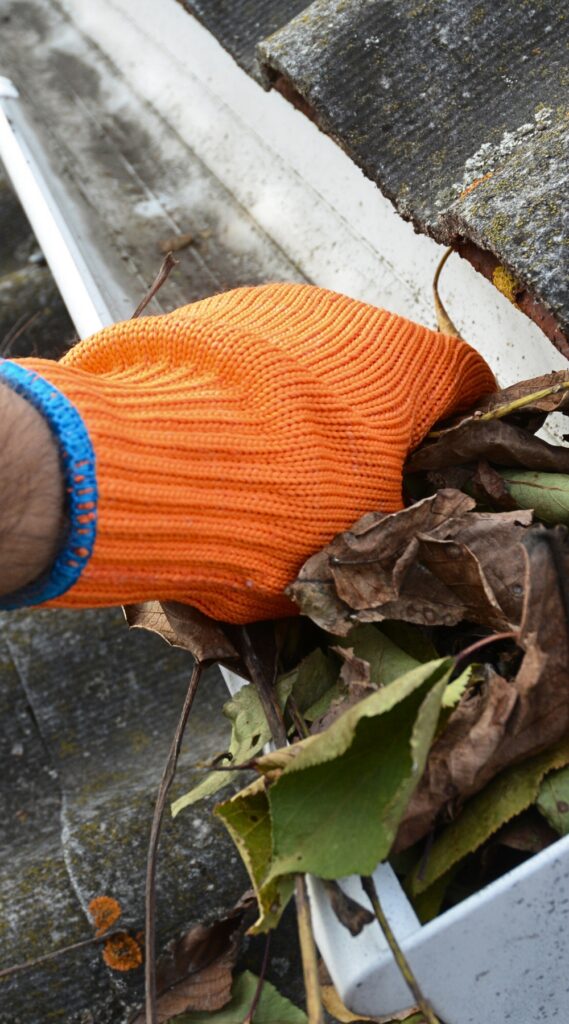
    • Clogged Gutters: Spring pollen, fallen leaves, and frequent rainstorms easily block gutters, creating hidden, stagnant pools high off the ground.
    • Corrugated Downspout Extensions: The ridges in these plastic pipes hold small amounts of water even after the main flow has drained.
    • Birdbaths and Decorative Planters: Without regular water cycling, these become prime real estate for egg-laying.
    • Tires and Tarps: Discarded tires or loose tarps covering firewood/boats trap rainwater that heats up in the sun, accelerating the mosquito life cycle.
    • Storm Drains: Common in suburban neighborhoods, the catch basins below street level hold water year-round.
    Dirty Gutters Cause Mosquito Issues mobile version

    Frequently Asked Questions

    01. What other insects will this affect?
    We use a control product so other insects present when and where we spray may be impacted.

    However, our formula was specifically engineered for mosquitoes so it won’t repel any other insects as it does mosquitoes.
    02. Will your product work after storms?
    Yes, we have specifically engineered our formula to outlast storms. With a special polymer layer that provides weather resistance, our formula will remain effective.
    03. Is there any environment you cannot treat?
    Yes, there are some areas we won’t spray to avoid the surrounding environments. Pools, natural water sources, vegetable gardens, and artificial water sources complete the list.

    Because water could easily spread the insecticides, we never directly apply our product to it. However, the rest of the property can still be sprayed and it will drastically reduce the population of mosquitoes.
    04. Does this product work on all mosquitoes and ticks ?
    Yes, we target aspects of mosquitoes and ticks that don’t change from species to species.

    The killing and repelling aspects of our product will work on any species of mosquitoes and ticks .
    05. What about my children and pets?
    Pets and children should be inside during each application. However, they can re-enter the property once the product has dried, roughly 10-15 minutes. At that point, there are no restrictions until the next application.
    06. When can I start to see the effects?
    Every yard is different but you should notice a dramatic reduction within 24-48 hours of the initial spray.

    With each subsequent treatment, the results continue to improve, allowing you to enjoy time outside without being chased in by swarms of mosquitoes.
    07. Why do we see more mosquitoes after it has rained?
    Mosquitoes are more abundant after it rains because standing water is where they breed.

    Adult, female mosquitoes will lay their eggs in water. Once fully submerged, the countdown begins and the eggs can hatch in as little as a few days.

    Shield Your Yard Now