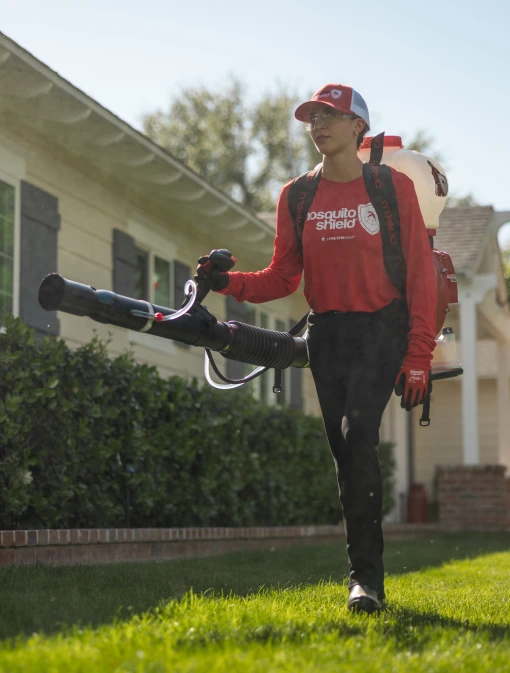
To understand why static calendars fail, it is essential to understand how weather dictates mosquito behavior. Mosquitoes are ectothermic (cold-blooded), meaning their metabolic rates and life cycles are entirely dependent on external environmental conditions.
The 50°F Activation Point: Mosquitoes generally remain dormant when temperatures stay below 50°F. Depending on the species, they survive the winter either through diapause (a hibernation-like state for adult females) or quiescence (dormant eggs waiting for favorable conditions).
The Acceleration Zone: As temperatures consistently breach 50°F and climb toward 80°F, the mosquito life cycle accelerates. Under optimal heat and humidity, eggs can develop into biting adults in less than a week.
The Role of Humidity: A “mosquito day” is climatologically defined as a day with an average relative humidity of 42% or higher and a temperature between 50°F and 95°F. High humidity prevents mosquitoes from desiccating (drying out), allowing them to fly further and live longer.
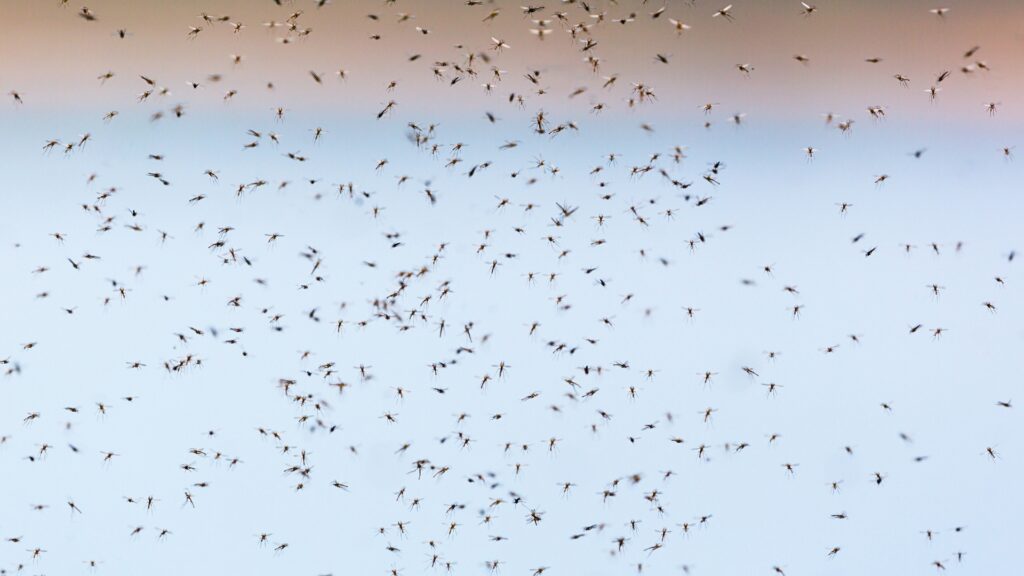
Southeastern Pennsylvania encompassing the Delaware Valley, Chester, Delaware, Montgomery, Bucks, and Philadelphia counties features a transitionary climate. It experiences a true four-season rhythm, but its proximity to the Delaware River, heavy spring rains, and dense suburban topography create ideal localized breeding grounds for aggressive species like the Asian Tiger mosquito.
Recent climatological studies have shown that Pennsylvania is experiencing a notable expansion of its mosquito season. Research analyzing weather trends over the last four decades indicates that areas in Pennsylvania are seeing an average increase of 25 to 33 more “mosquito days” per year.
Because of this shifting climate, a static schedule is particularly ineffective in Southeastern PA:

An effective vector control strategy ditches dates and relies entirely on data. In Southeastern PA, a dynamic treatment schedule is structured around environmental triggers rather than calendar months.
Pre-Emergence and Early Season (Temperature Triggered)
Instead of waiting for a specific date in April, the ideal schedule monitors local weather station data. As daily highs begin to flirt with 50°F and ground moisture is high from snowmelt or spring rain, the focus shifts to treating standing water. Addressing dormant eggs and early-stage larvae before they mature into adults exponentially reduces the baseline population for the rest of the year.
Peak Season Compression (Humidity and Rainfall Triggered)
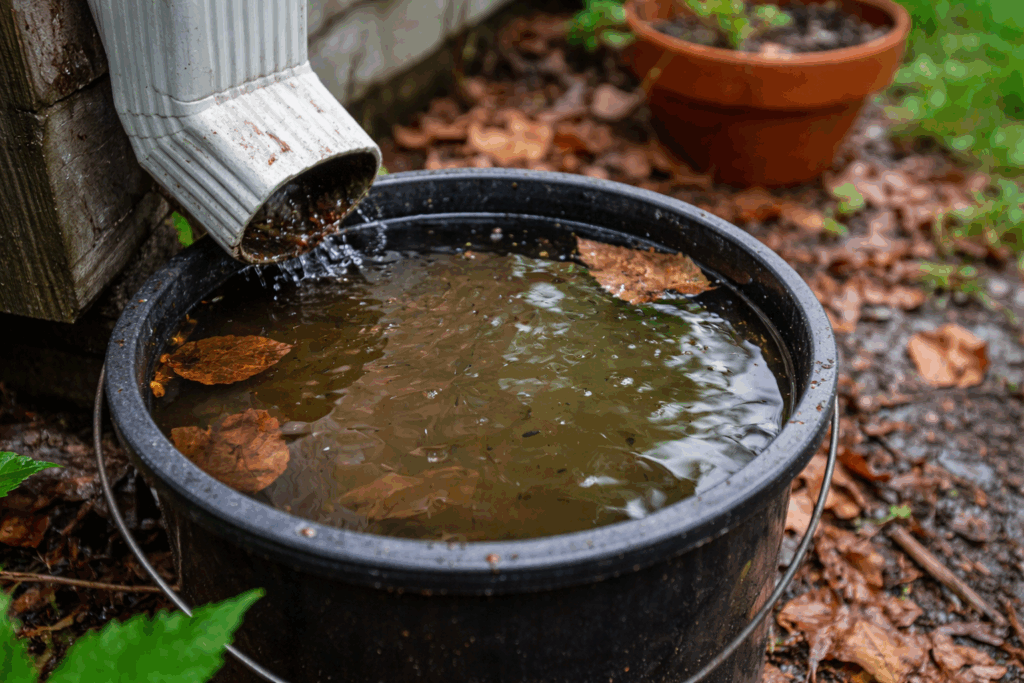
During the humid summer months (June through August), Southeastern PA frequently experiences sudden, heavy thunderstorms followed by intense heat. Heavy rains create thousands of micro-breeding habitats in clogged gutters, birdbaths, and low-lying yard depressions.
The Elongated Late Season (First Frost Triggered)
The traditional end of the mosquito season is often pegged to Labor Day. Biologically, this is premature. In the Delaware Valley, September and October frequently feature warm days and high relative humidity. The ideal treatment schedule remains active until the region experiences its first hard frost the only true, biological indicator that the local mosquito population has entered diapause.
Moving away from the static calendar is not just about efficiency; it is about community health. By aligning treatments with the precise biological and environmental thresholds that dictate mosquito activity, we can more effectively suppress the vectors responsible for transmitting West Nile Virus and other local pathogens.
For the population of Southeastern Pennsylvania, discarding the calendar ensures that control measures are active precisely when the environment demands them—providing uninterrupted protection through early spring thaws, peak summer humidity, and unseasonably warm autumns.