Mosquito control strategies must be highly adapted to the specific climate in which they are deployed. Across the United States, seasonality dictates mosquito activity; the Northeast and Midwest experience rigid mosquito seasons defined by the first and last frosts, temporarily pausing the insect’s breeding cycle.
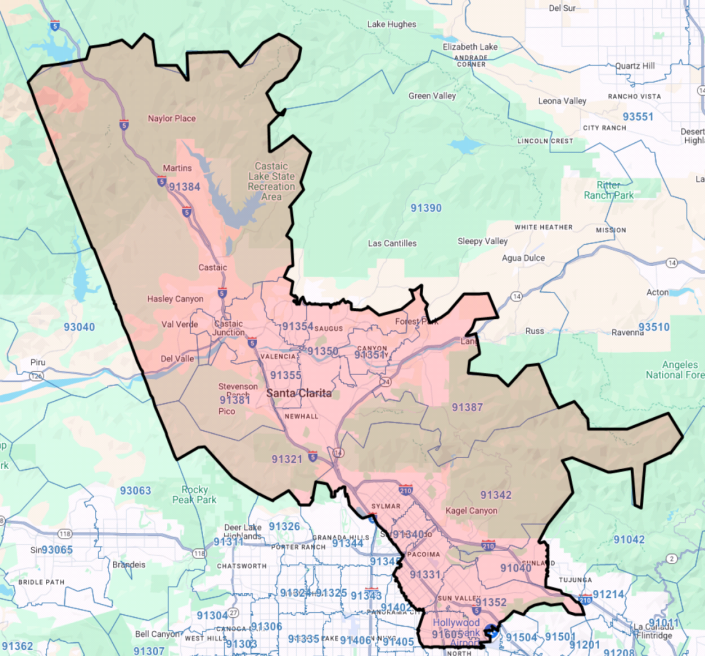
However, the Santa Clarita Valley (SCV), including Valencia, operates under a distinctly different climate profile. Characterized by a warm, semi-arid Mediterranean climate, the region experiences hot, dry summers and mild winters. While natural standing water is sparse during the dry season, the master-planned communities of Valencia and Santa Clarita rely heavily on residential irrigation, lush landscaping, and community water features. This creates artificial micro-climates that sustain mosquito populations well beyond standard seasonal expectations. Furthermore, the region has seen a significant rise in the invasive Aedes aegypti mosquito, an aggressive day-biting species that thrives in the exact type of micro-environments found in Southern California suburban backyards.
To understand the necessity of a specific treatment cadence, it is essential to examine the biological life cycle of the mosquito. The progression from egg to larva, pupa, and finally to a biting adult can occur in as little as 7 to 10 days, depending on ambient temperatures and water availability.
Traditional pest control models often apply barrier treatments on a 21- to 30-day schedule. Because this interval is significantly longer than the biological reproduction cycle of the insect, a critical vulnerability is created. Eggs laid shortly after a traditional treatment can hatch, mature, and begin reproducing before the subsequent treatment is applied, leading to recurring population spikes within the property.

The effectiveness of a mosquito control program is directly tied to how closely its application intervals align with the insect’s biological cycle and local weather patterns. This is where treatment frequency or cadence becomes the most critical metric in vector management.
The Mosquito Shield methodology is built on a high-frequency application model, typically executing treatments every 10 to 17 days. This specific cadence provides distinct, compounding benefits:

The direct impact of an optimized spray cadence extends beyond basic nuisance reduction; it fundamentally affects the livability and public health of the community. In areas like Valencia, where the architectural focus is heavily skewed toward outdoor living, patios, and community paseos (trail systems), unchecked mosquito populations severely restrict how residents utilize their properties.
Furthermore, proactive vector control is a public health necessity. With localized populations of Aedes mosquitoes capable of transmitting vector-borne diseases, maintaining a consistent, unbroken barrier around residential properties reduces the statistical likelihood of human-mosquito contact. By increasing the frequency of treatments to outpace the biological development of the local mosquito population, Mosquito Shield maintains a constant state of suppression, allowing the communities of the Santa Clarita Valley to safely utilize their outdoor spaces year-round.