Mosquito activity is inextricably linked to temperature and moisture. Throughout the United States, climate variations dictate the length and severity of mosquito seasons. In arid regions like the Southwest, mosquito activity is often localized to irrigated areas or periods of rare rainfall. Conversely, in the Southeast, year-round warmth allows for prolonged breeding cycles.

Northern Virginia features a humid subtropical climate, characterized by hot, humid summers and moderate rainfall distributed throughout the year. This specific climate profile creates ideal breeding conditions for various mosquito species, including the Aedes albopictus (Asian tiger mosquito) and Culex species.

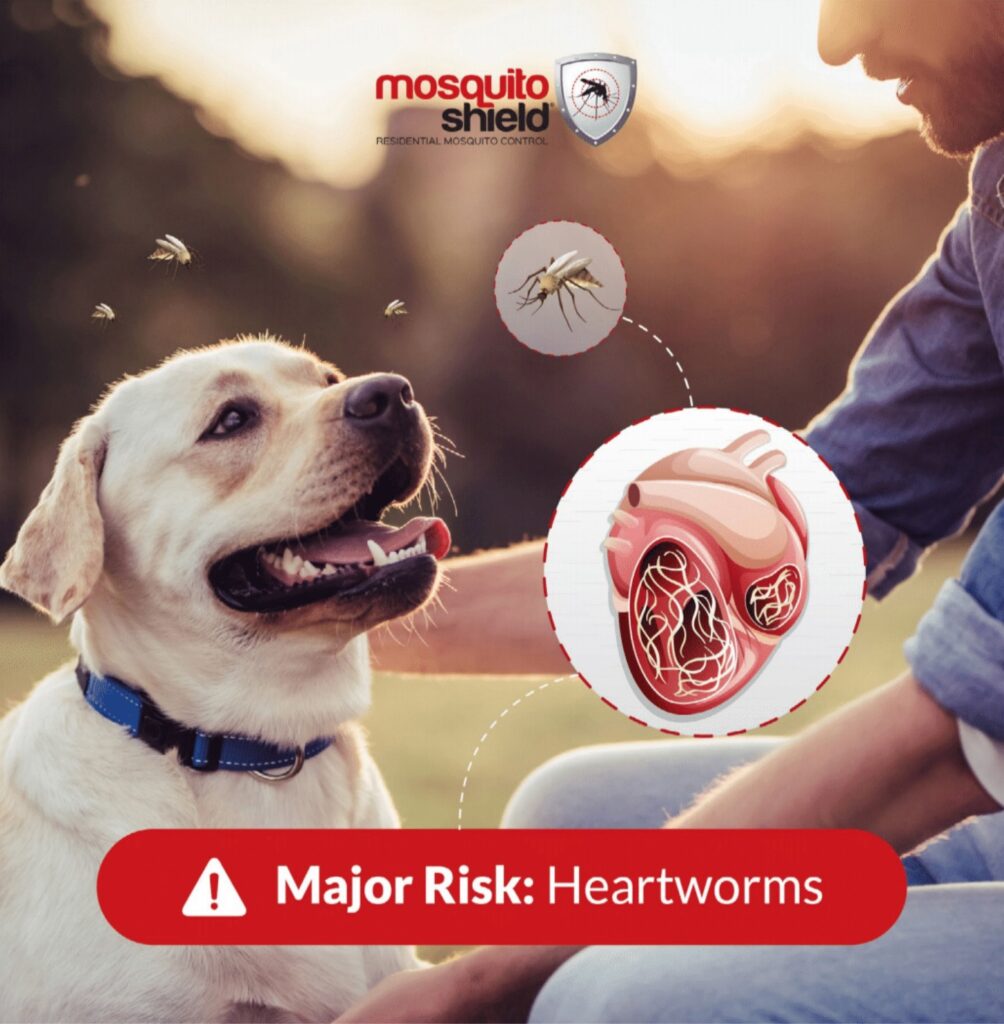
Heartworm is a severe and potentially fatal condition caused by parasitic worms living in the heart, lungs, and associated blood vessels of affected pets.
Transmission: The transmission cycle relies entirely on mosquitoes. When a mosquito bites an infected animal, it ingests microscopic baby worms (microfilariae). Over 10 to 14 days, these develop into infective larvae inside the mosquito. When the mosquito bites a healthy dog or cat, it transmits the larvae.
Vulnerability: Dogs are natural hosts for heartworms, meaning the worms mature into adults, mate, and produce offspring. Cats are atypical hosts, and while the worms rarely survive to adulthood, the immature worms can cause Heartworm Associated Respiratory Disease (HARD).