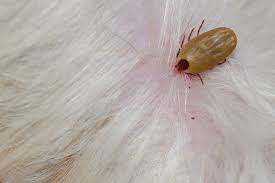
Northern Virginia’s mix of wooded suburbs, parklands, and humid seasonal climate creates an environment where ticks are commonly encountered. Mild winters, warm summers, and abundant wildlife hosts allow tick populations to remain active across much of the year. As residents spend time outdoors in yards, trails, and green spaces, encounters with ticks can occur in both residential and recreational settings.

Also known as the deer tick, this species is well established across Northern Virginia.
Where they are found:
Wooded areas and forest edges
Leaf litter and shaded ground cover
Residential yards near tree lines
Seasonal activity:
Most active in spring and fall, with nymphs active in late spring and summer.
Regional relevance:
Primary vector of Lyme disease in the Mid-Atlantic.

Where they are found:
Brushy areas and tall grasses
Forest edges and trail corridors
Yards bordering wooded spaces
Seasonal activity:
Active from spring through early fall.
Regional relevance:
Widely established in Virginia and known for aggressive host-seeking behavior.
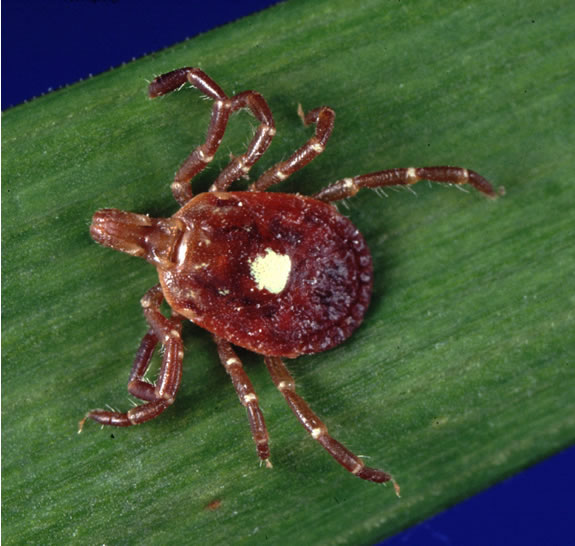
Where they are found:
Grassy fields and roadside vegetation
Parks and open recreational areas
Overgrown residential properties
Seasonal activity:
Most active in late spring and summer.
Regional relevance:
Frequently encountered by pets and outdoor enthusiasts.