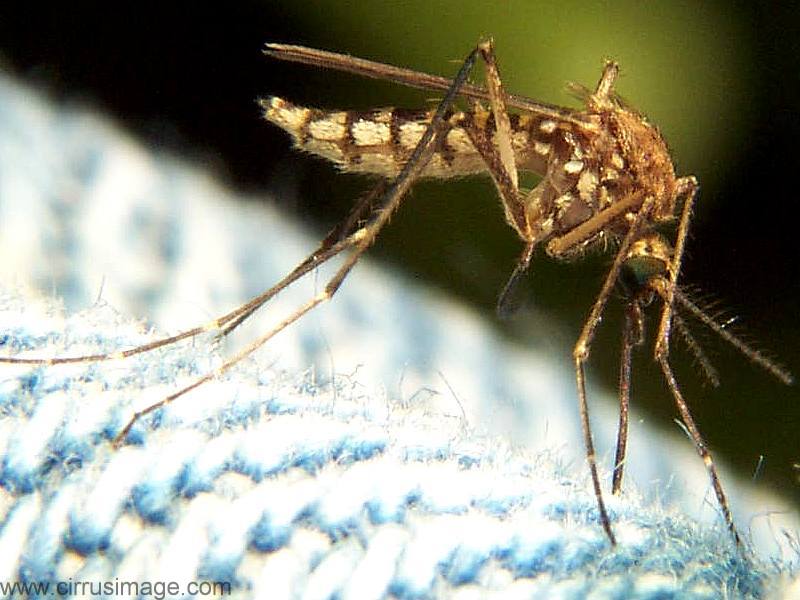
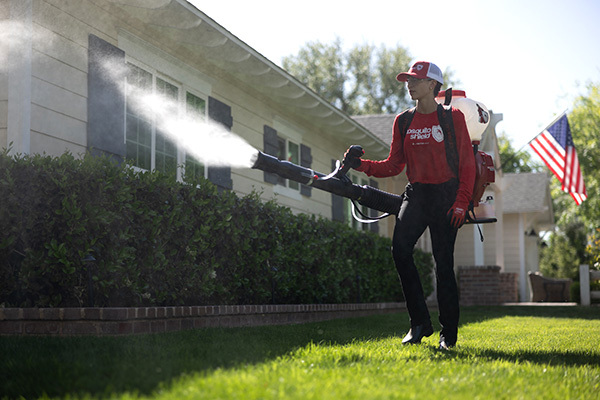
Northern Virginia’s mix of wooded neighborhoods, marshy wetlands, suburban developments, and stream corridors provides ideal habitat for a variety of mosquito species. Warm summers, high humidity, and frequent rainfall support active mosquito populations from early spring through late fall.

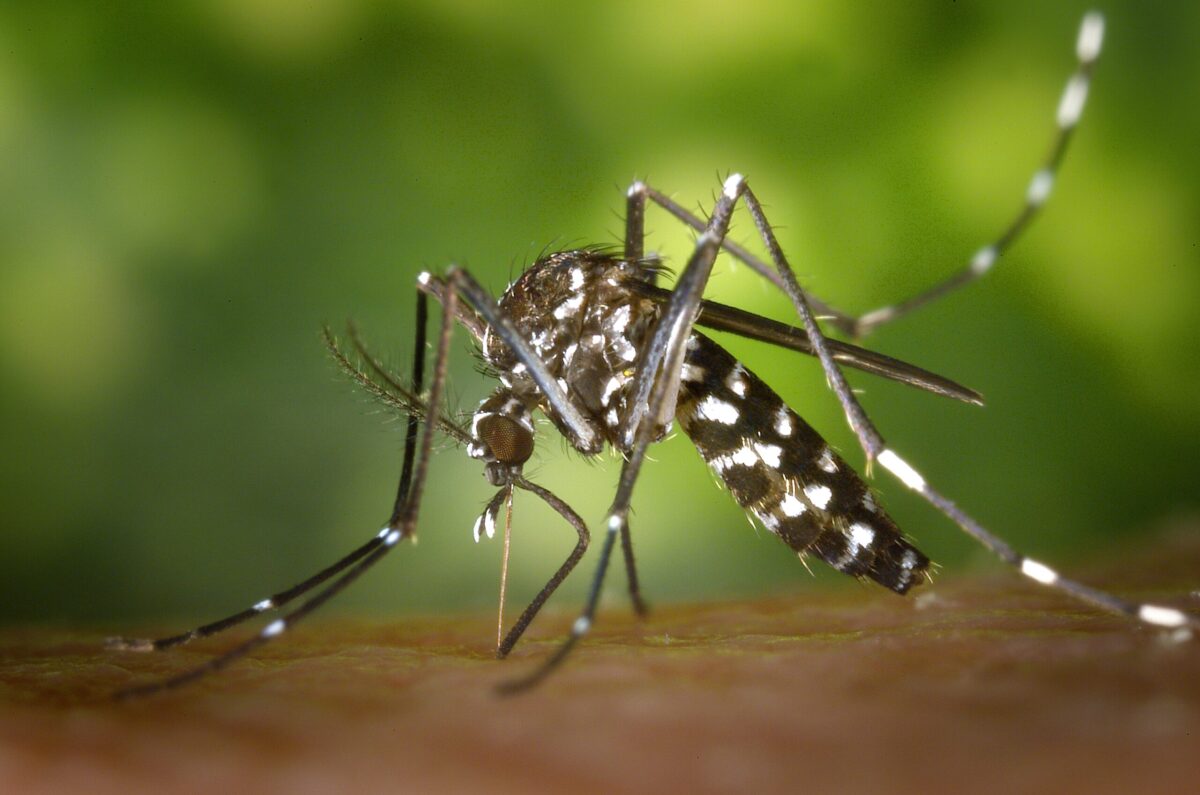
The most aggressive and widespread mosquito in Northern Virginia.
Easily recognized by its black-and-white striped body and legs.
Primarily a daytime biter, active in early mornings and late afternoons.
Breeds in small, water-filled containers — gutters, toys, planters, bucket lids, birdbaths, and trash cans.
Thrives in shaded areas around homes and neighborhoods across Fairfax, Arlington, Alexandria, Loudoun, and Prince William.
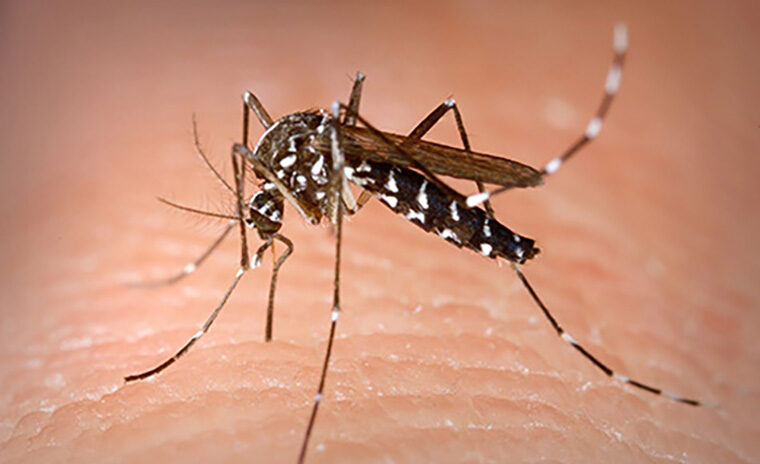
Present in small but increasing numbers in urban parts of Northern Virginia.
Prefers warm, shaded, human-dominated environments.
Aggressive daytime biter that remains close to homes and structures.
Known globally for spreading dengue and Zika (but local transmission is rare in Virginia).
The primary vectors of West Nile virus in Virginia.
Active from dusk through early morning.
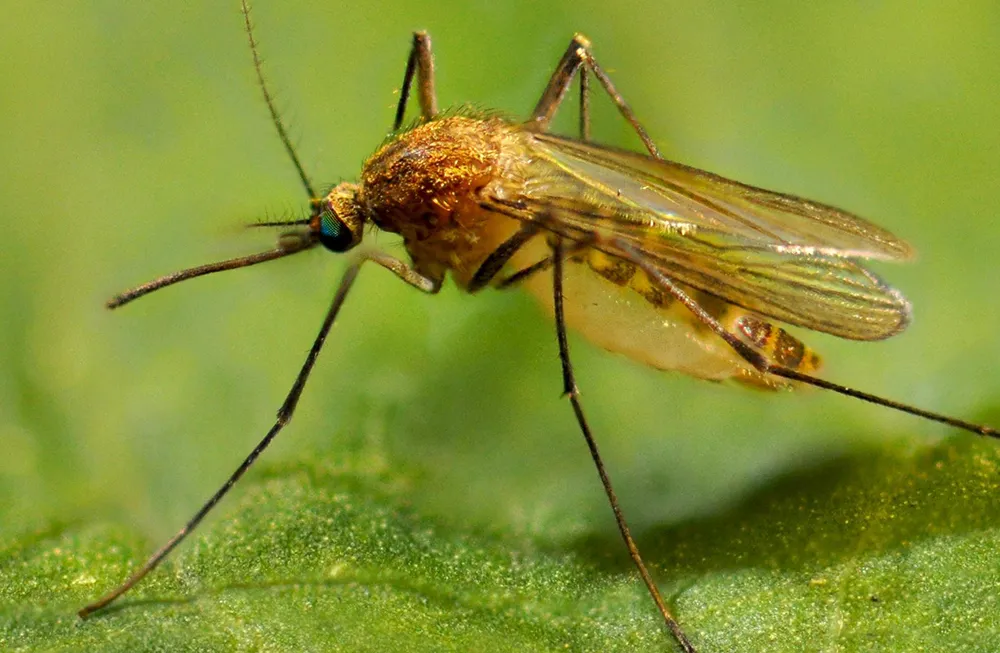
Very common after spring and summer storms.
Breeds in temporary water bodies like floodplain puddles, drainage ditches, and grassy low spots.
Aggressive biter active at dusk and dawn.
Not strongly associated with disease transmission but a major nuisance species.