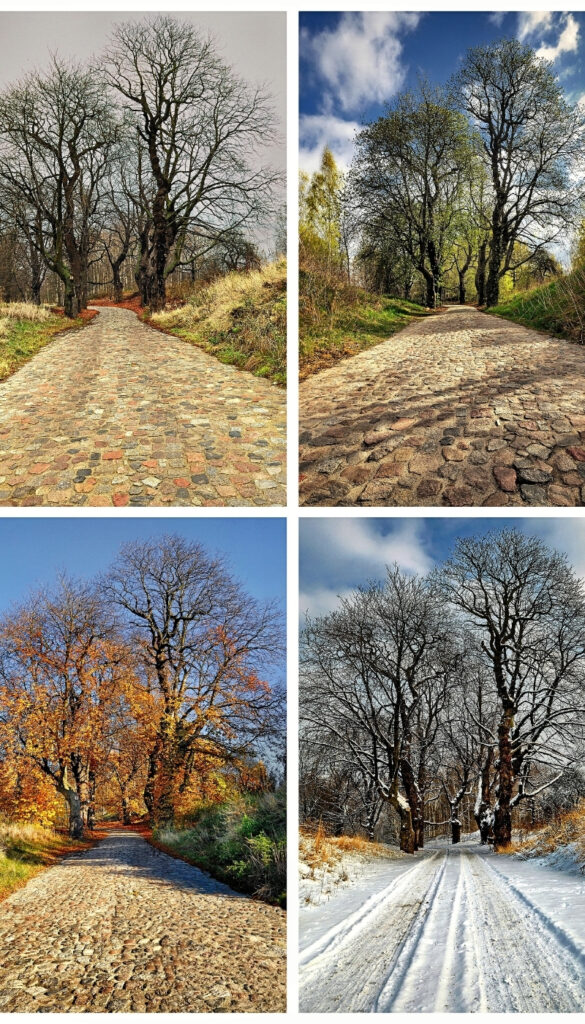
Mid Central New Jersey experiences a true four-season climate, and each shift in weather plays a role in mosquito behavior. From wet springs and humid summers to mild autumns and frosty winters, temperature and rainfall patterns directly influence mosquito breeding, survival, and biting activity.
Mosquito season typically begins in late April as temperatures climb past 50°F. Spring showers and leftover moisture create ideal breeding grounds in rain-filled containers, marshy areas, retention basins, and low-lying yards. Summer heat and humidity then accelerate the mosquito life cycle, allowing eggs to develop into biting adults in as little as 5–7 days.
Spring (April–May)
Frequent rain and warming temperatures trigger the first hatch of the season.
Standing water in gutters, planters, wooded pools, and drainage ditches creates ideal breeding spots.
Floodwater mosquito populations rise quickly after storms.
Summer (June–August)
Peak mosquito season. High humidity and heat shorten breeding cycles.
Afternoon thunderstorms, coastal moisture, and irrigation runoff contribute to new larval sites.
Nighttime temperatures above 70°F increase activity for Culex mosquitoes — known West Nile carriers.
Early Fall (September–October)
Warm autumns keep mosquitoes active into mid-October.
Rain followed by lingering humidity can cause a late-season surge.
Activity slows only after the first frost.
Winter (November–March)
Freezing weather halts outdoor activity, but many eggs survive in dormant form.
Mild winters in recent years have caused earlier-than-normal mosquito emergence.