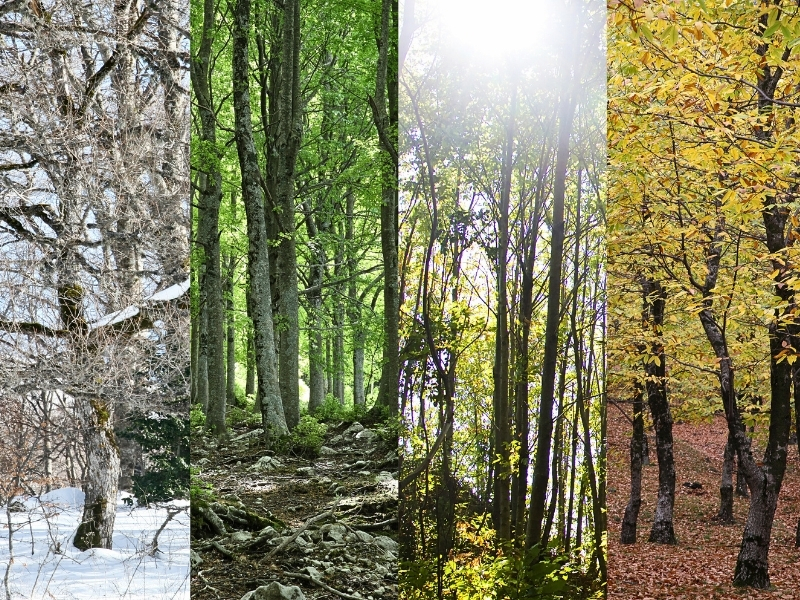
The “Garden State” geography of Mid-Central New Jersey—characterized by a mix of fragmented forests, manicured suburban lawns, and significant white-tailed deer populations—creates an ideal habitat for ticks.
Edge Habitats: Most tick encounters in Middlesex and Monmouth counties occur in “edge habitats,” where wooded areas meet residential backyards.
Host Dynamics: The abundance of mice and deer in suburban neighborhoods provides the necessary blood meals for ticks to progress through their multi-year life cycle, maintaining a high “infection prevalence” in the local tick population.
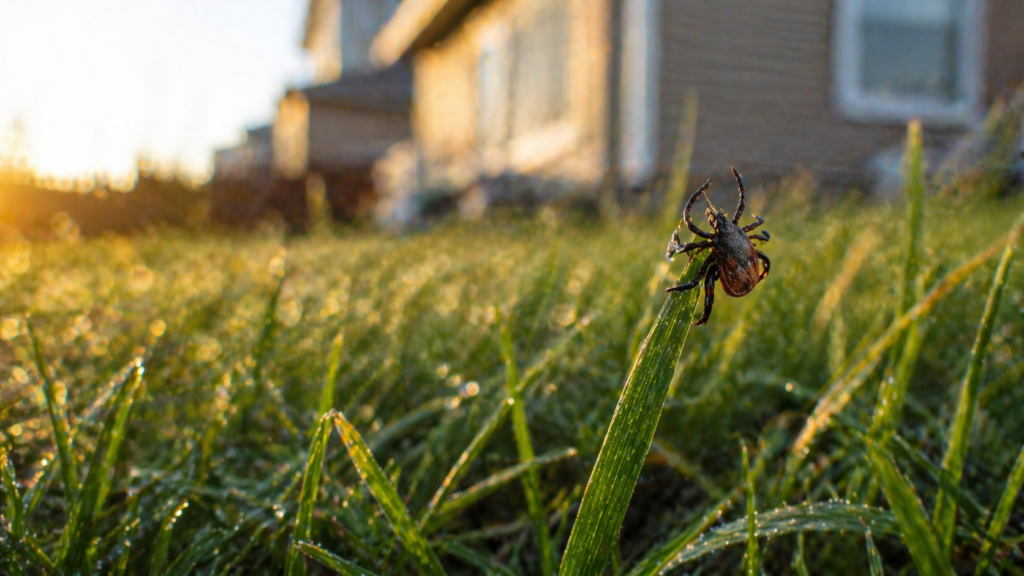
Also known as the deer tick, this species is widely established across New Jersey.
Where they are found:
Wooded areas and forest edges
Leaf litter and shaded ground cover
Residential yards near tree lines
Seasonal activity:
Most active in spring and fall, though nymphs can be present in summer.
Regional concern:
This species is associated with Lyme disease transmission in the Northeast.
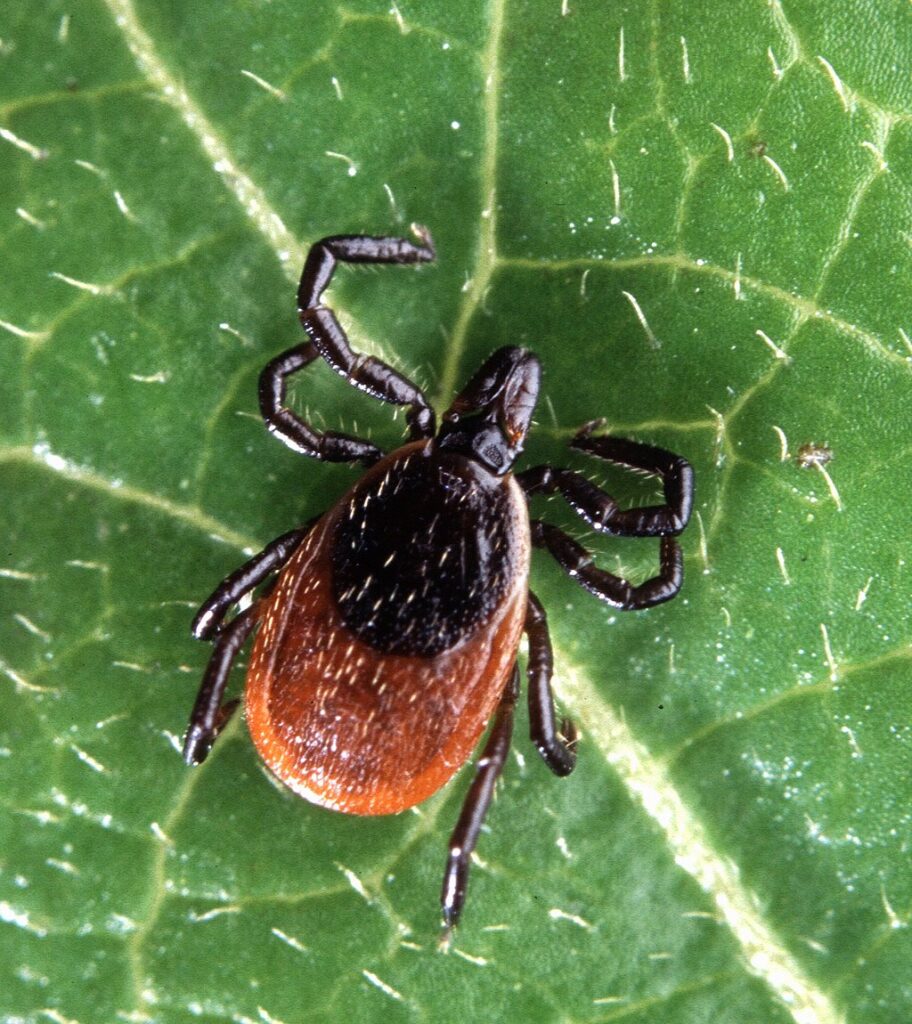
Where they are found:
Grassy fields and trails
Roadside vegetation
Overgrown yards and vacant lots
Seasonal activity:
Most active from late spring through summer.
Regional concern:
Known to transmit Rocky Mountain spotted fever and other pathogens.
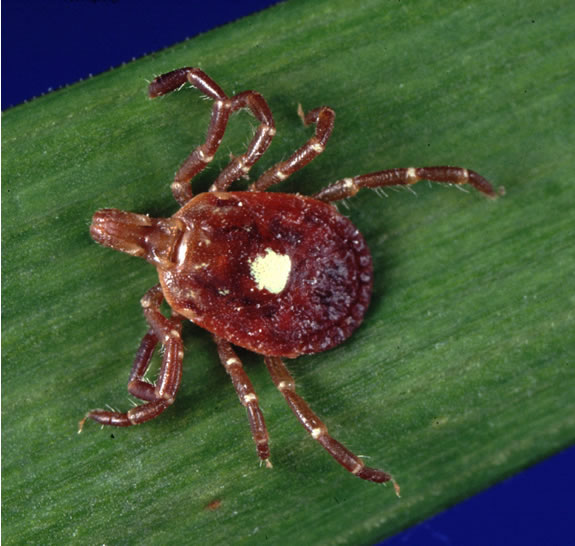
Where they are found:
Brushy areas and forest edges
Tall grasses and shrubs
Areas with high deer populations
Seasonal activity:
Active from spring through early fall.
Regional concern:
Associated with several illnesses and increasing in range across the Mid-Atlantic.
The active lifestyle of Mid-Central NJ residents—frequenting local parks, trails, and spending time in suburban gardens—increases the frequency of “questing” ticks finding a human host.
The Bullseye Rash: While the Erythema migrans (bullseye) rash is a hallmark of Lyme disease, it does not appear in all cases. Early symptoms often mimic the flu, including fatigue, fever, and muscle aches.
Secondary Risks: The Black-legged tick in New Jersey often carries co-infections. A single bite can potentially transmit other pathogens, such as Babesiosis and Anaplasmosis, which are also on the rise in the region.

Spring Peak (May – June): This is the highest risk period. Nymph-stage ticks emerge; they are roughly the size of a poppy seed, making them difficult to detect. This coincides with “Tick Awareness Month” in New Jersey.
Summer Stability: Adult and larval ticks remain active, though extreme heat may drive them deeper into leaf litter for moisture.
Fall Resurgence (October – November): A second peak occurs as adult ticks quest for a final blood meal before winter.
Winter Activity: Black-legged ticks do not hibernate. They remain active whenever the ground is not frozen and temperatures rise above 45°F, a common occurrence during recent New Jersey winters.