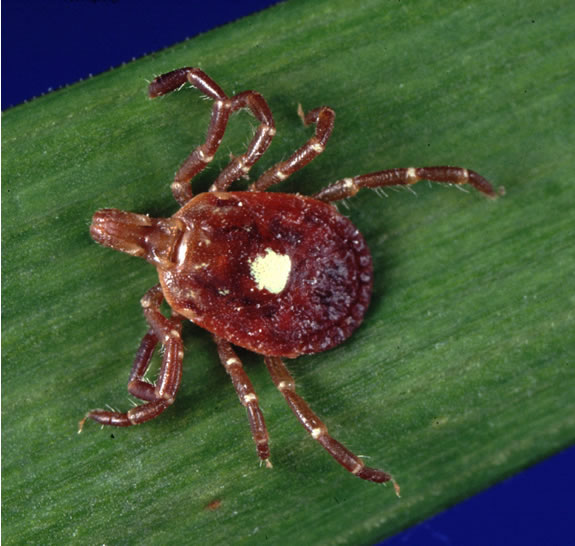
North Central New Jersey’s mix of suburban neighborhoods, wooded parks, and seasonal climate patterns creates an environment where ticks are commonly encountered. Mild winters, humid summers, and abundant wildlife hosts allow tick populations to persist and expand throughout much of the year. As residents spend more time outdoors in spring, summer, and fall, the likelihood of tick encounters increases in both residential yards and nearby natural areas.

Also known as the deer tick, this species is widely established across New Jersey.
Where they are found:
Wooded areas and forest edges
Leaf litter and shaded ground cover
Residential yards near tree lines
Seasonal activity:
Most active in spring and fall, though nymphs can be present in summer.
Regional concern:
This species is associated with Lyme disease transmission in the Northeast.
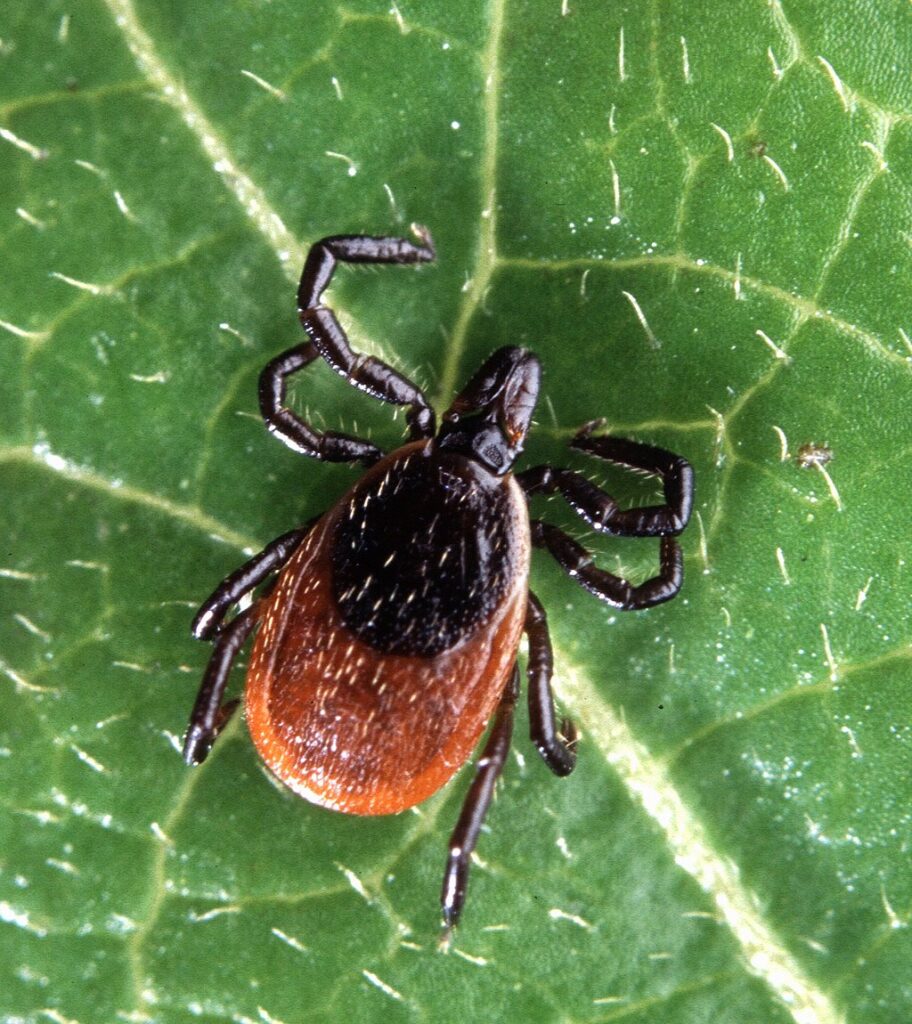
Where they are found:
Grassy fields and trails
Roadside vegetation
Overgrown yards and vacant lots
Seasonal activity:
Most active from late spring through summer.
Regional concern:
Known to transmit Rocky Mountain spotted fever and other pathogens.
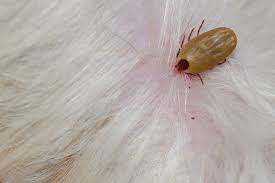
Where they are found:
Brushy areas and forest edges
Tall grasses and shrubs
Areas with high deer populations
Seasonal activity:
Active from spring through early fall.
Regional concern:
Associated with several illnesses and increasing in range across the Mid-Atlantic.