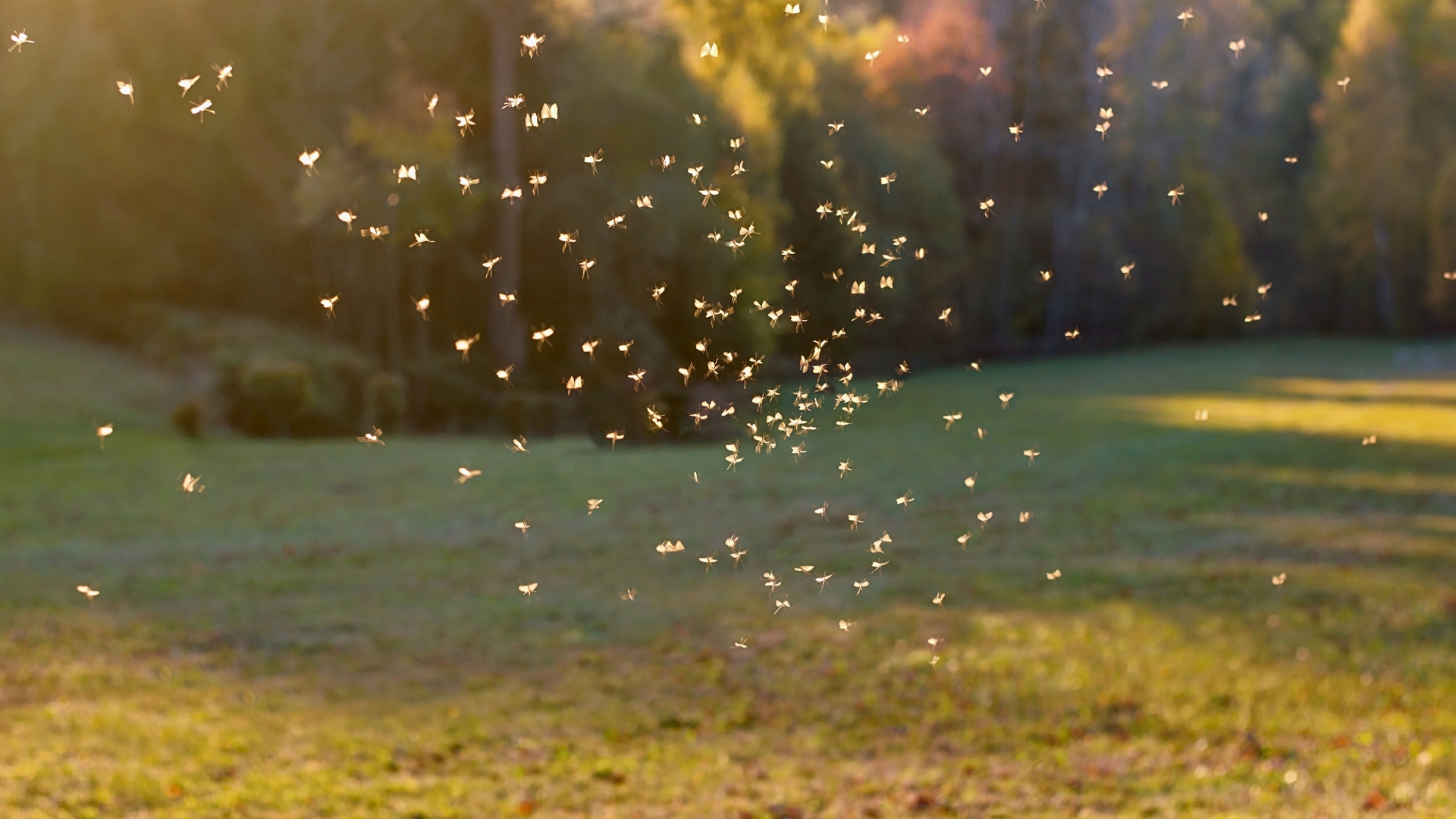
The Twin Cities North region including communities north of Minneapolis and St. Paul such as Blaine, Brooklyn Park, Coon Rapids, Maple Grove, and surrounding areas experiences long winters, heavy snowfall, and a fast transition into spring. When snow begins to melt and spring temperatures rise, mosquito season can start quickly and intensify if early conditions are favorable.
Spring preparation is one of the most effective ways to limit mosquito populations before they gain momentum during Minnesota’s short but intense warm season.
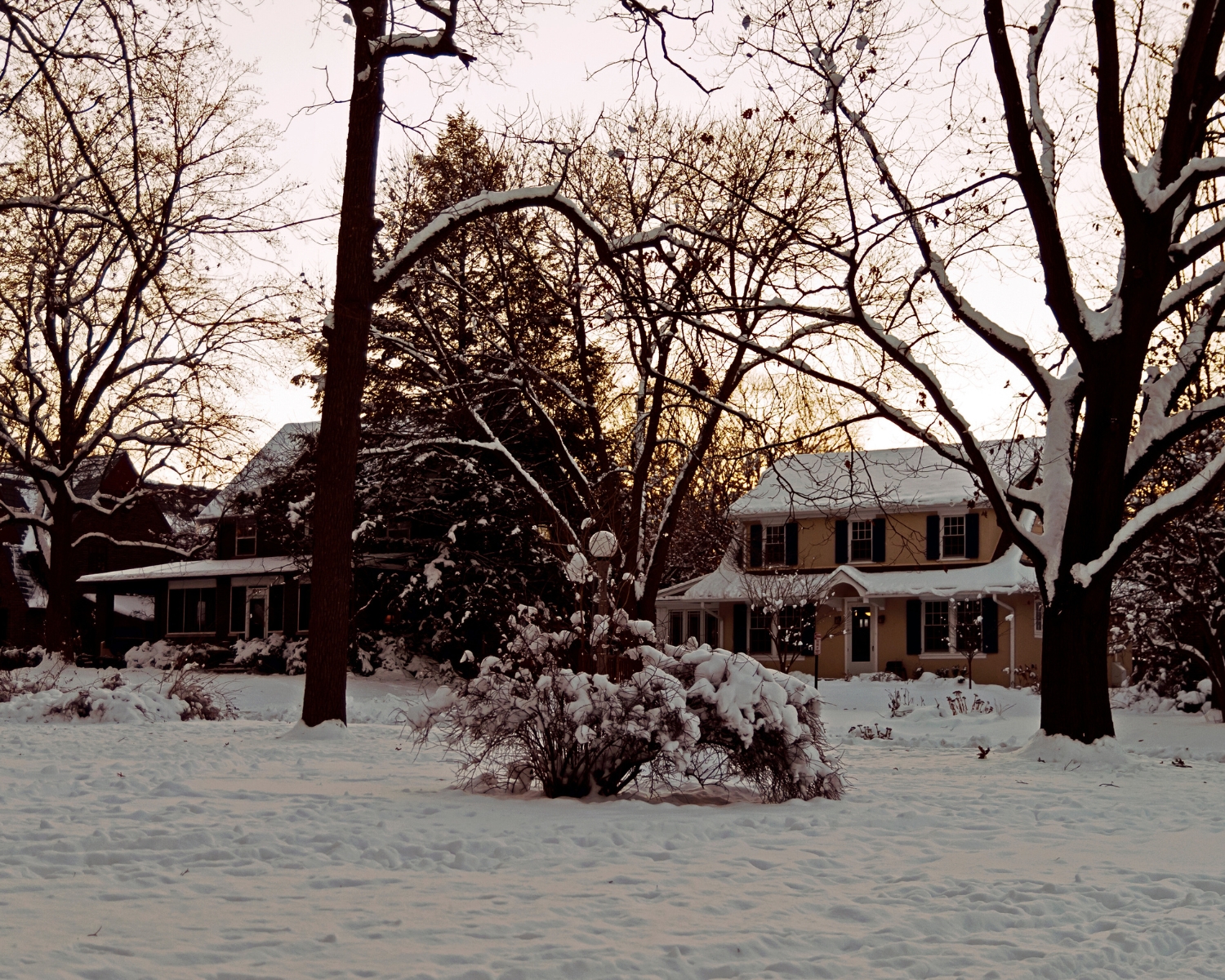
Spring snowmelt reveals many hidden breeding sites.
Common problem areas include:
Low spots in lawns and along property edges
Clogged gutters and downspouts
Buckets, toys, tarps, and uncovered containers
Window wells and landscaping features
Roadside ditches and drainage channels
Addressing these areas early prevents mosquitoes from completing their first breeding cycle.

As spring arrives, rapid vegetation growth creates shade and moisture that mosquitoes favor.
Early cleanup helps by:
Removing leaf litter and winter debris
Trimming shrubs and dense ground cover
Reducing shaded, damp areas near patios and walkways
Improving airflow and sun exposure across the yard
Drier, sunnier spaces are far less attractive to mosquitoes.

The Twin Cities North area often experiences heavy spring rain following snowmelt.
Spring preparation includes:
Clearing storm drains and culverts
Redirecting downspouts away from foundations
Filling or grading low areas that repeatedly collect water
Good drainage limits repeated mosquito breeding after each rainfall.

Spring preparation focuses on prevention before adult mosquitoes become widespread.
Stopping early larvae reduces the number of biting adults later.
Fewer adults means fewer eggs laid throughout the summer.
Early intervention helps keep peak mosquito season more manageable.
This is especially important in Minnesota, where mosquito populations can explode once temperatures stabilize.
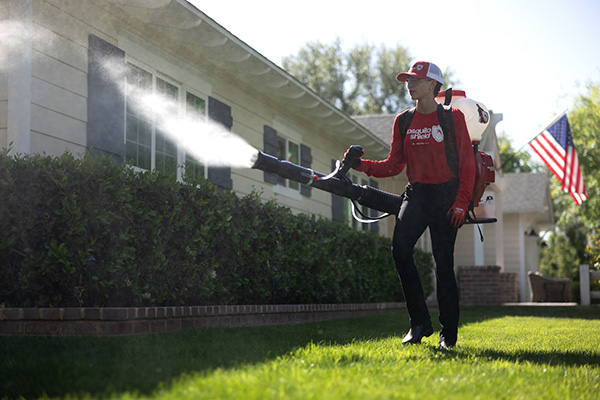
Properties that delay spring preparation often experience:
Early mosquito emergence
Larger mosquito populations by June
Persistent mosquito activity after rain events
Heavy mosquito pressure near wetlands and wooded areas
Once mosquitoes are established, reducing their numbers becomes much more difficult.