The Twin Cities, including Minneapolis, St. Paul, and surrounding northern and western suburbs are home to several tick species that thrive in the region’s wooded landscapes, wetlands, parks, river corridors, and suburban green spaces.
Ticks in the Twin Cities can pose risks to both residents and pets, particularly during peak months when nymphs and adults are seeking hosts in shaded and grassy environments.

The blacklegged tick is the most medically significant species in Minnesota and has expanded its range across the Twin Cities over the last decade.
Key traits:
Peak activity in spring (nymphs) and fall (adults).
Prefers wooded areas, leaf litter, shaded trails, and yard edges.
Primary carrier of Lyme disease, anaplasmosis, and babesiosis.
Nymphs are extremely small, making them difficult to detect.

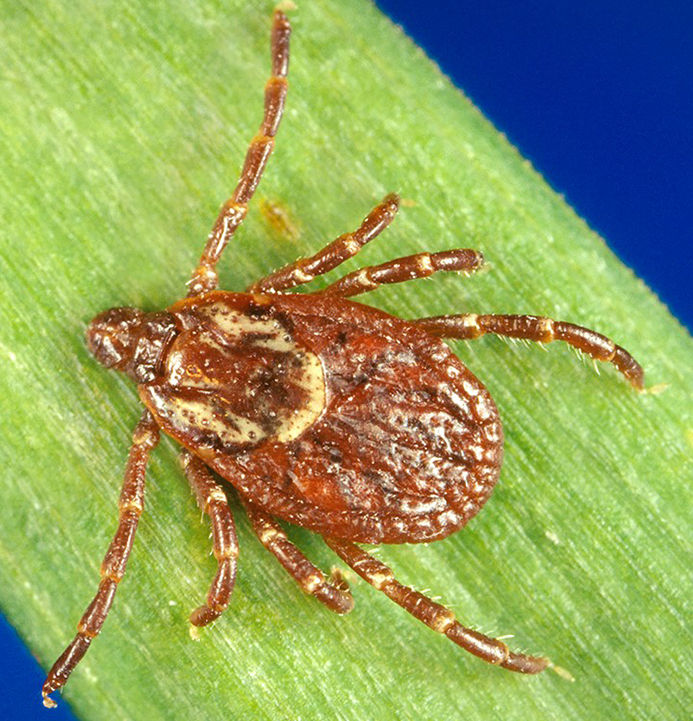
Very common throughout the metro area, especially in grassy environments and along trail edges.
Key traits:
Most active in late spring through mid-summer.
Frequently attaches to dogs and outdoor pets.
Primary vector for Rocky Mountain spotted fever in the region.
Larger and easier to see than deer ticks.
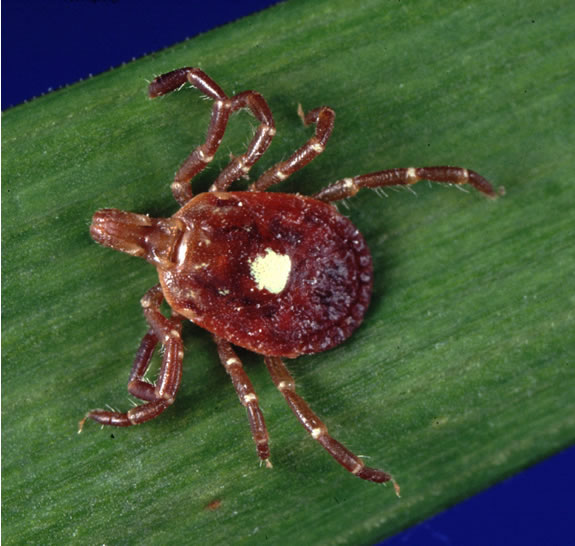
Traditionally more common in southern states, the lone star tick has been increasingly reported in Minnesota due to climate shifts and wildlife movement.
Key traits:
Recognizable white “lone star” dot on adult females.
Aggressive and fast-moving, active in warm months.
Can transmit Ehrlichiosis.
Associated with alpha-gal syndrome, a sensitivity to red meat.
Still less common than deer and dog ticks, but expanding.
Residents often encounter ticks in:
Wooded trails and park systems (e.g., Elm Creek, Lebanon Hills, Theodore Wirth)
Mississippi and Minnesota river corridors
Wetlands, tall grasses, and leaf-littered areas
Suburban yards bordering wooded lots
Dog parks, nature preserves, and shaded recreational paths