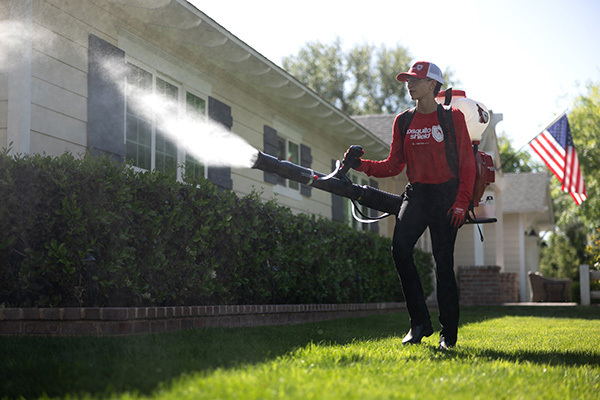
Experience relaxation and peace in your Medart backyard with our proven mosquito control solution. Trusted by families in Medart, our innovative approach not only repels mosquitoes but also establishes a durable barrier customized to your outdoor environment. Mosquito Shield of Tallahassee is dedicated to creating mosquito-free zones, so you can enjoy your outdoor spaces without interruption.

Effective mosquito control in Medart, FL, that drives mosquitoes away and keeps them out of your yard.

Enjoy mosquito-free outdoor time in Medart with treatments designed to provide lasting results.
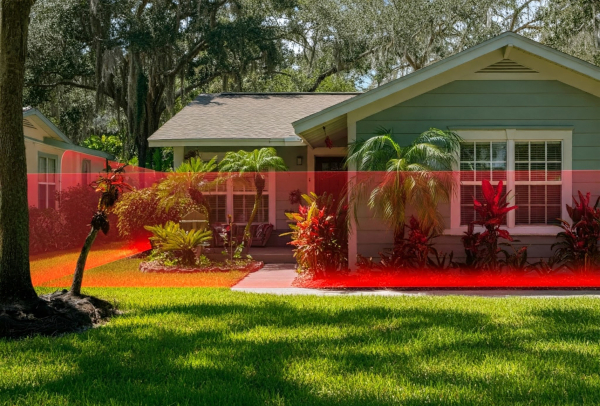
Highly rated mosquito control services in Medart, trusted by residents to enhance outdoor living.


Medart, Florida, is a scenic, rural crossroads community in Wakulla County known for its sprawling acreage, maritime pine flats, and active outdoor lifestyle. Positioned along Coastal Highway 98 with close proximity to Ochlockonee River State Park, the vast Apalachicola National Forest, and Medart Park, residents spend much of the year enjoying porches, acreage maintenance, trail riding, and coastal fishing. However, Medart’s warm subtropical climate, frequent seasonal downpours, and proximity to cypress lowlands and tidal tributaries create favorable conditions for mosquito and tick activity throughout most of the year.
Residents of Medart face seasonal risks from mosquito-borne illnesses such as West Nile Virus and Eastern Equine Encephalitis, along with tick-borne conditions including Lyme disease and Rocky Mountain Spotted Fever. With backyard cookouts, youth sports, and outdoor work central to life in Wakulla County, proactive mosquito and tick management helps maintain comfortable outdoor living spaces. As a locally owned and operated business, Mosquito Shield of Tallahassee FL understands the distinct environmental pressures across the Big Bend and Panhandle coast, delivering tailored outdoor solutions built for our local terrain.
To help reduce mosquito and tick activity, residents are encouraged to:

Medart experiences long, humid summers and mild winters, contributing to an extended mosquito and tick season that often begins in early spring and continues well into the late fall. Heavy subtropical rainfall, rural drainage swales, standing surface moisture, and low-lying floodplain basins create prolific breeding sites, while dense palmetto scrub, hardwood river bottoms, and shaded timberland provide hospitable environments for ticks.
Key Factors Influencing Pest Activity: