Spring in Southeastern Pennsylvania marks the beginning of mosquito season across the region. As temperatures rise, spring rain becomes more frequent, and vegetation grows rapidly, mosquito populations can establish themselves quickly if early conditions allow. In this part of Pennsylvania, what happens during early spring often determines how intense mosquito activity becomes later in the summer.
Early spring preparation plays a critical role in limiting mosquito populations before they have the opportunity to multiply.

Mosquito eggs begin hatching once temperatures consistently rise above the mid-50s.
Spring rain creates widespread standing water
Snowmelt and saturated soil extend moisture availability
Warm daytime and overnight temperatures speed larval development
Under favorable conditions, mosquitoes can mature from egg to adult in as little as 5–10 days.
Several regional factors make early preparation especially important:
Humid climate that supports mosquito survival
Frequent spring rainfall that creates breeding opportunities
Wooded and suburban landscapes with shaded areas
Mild shoulder seasons that extend mosquito activity
Missing the spring window often leads to heavier mosquito pressure during early summer.
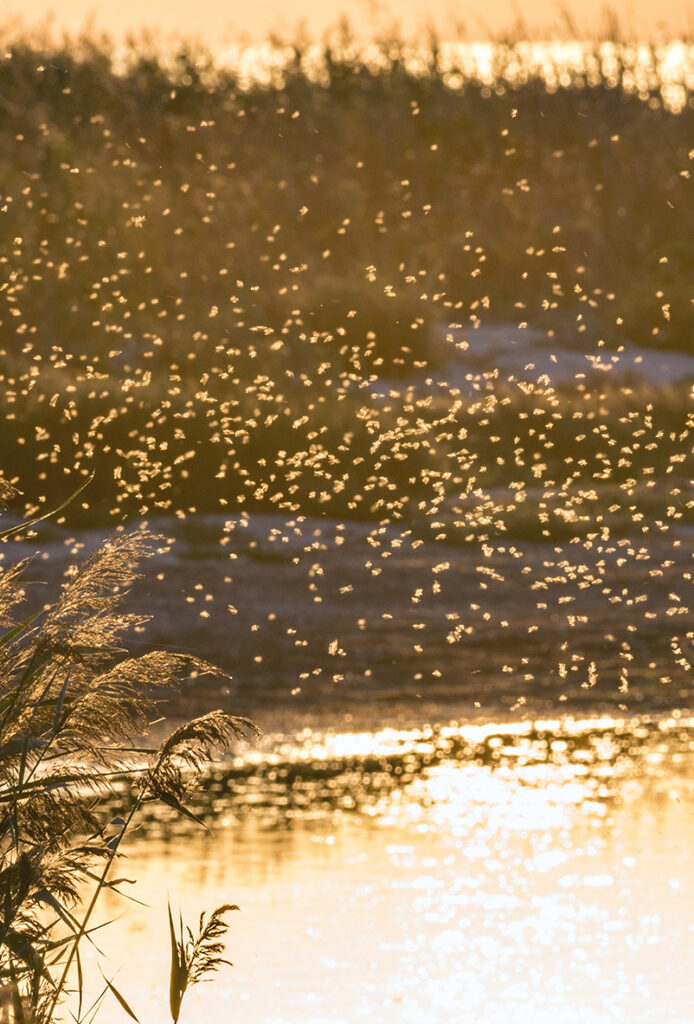
Mosquitoes rely on standing water to reproduce.
Spring preparation focuses on eliminating common breeding sources such as:
Clogged gutters and downspouts
Buckets, tarps, planters, and uncovered containers
Birdbaths and decorative water features
Low-lying areas in lawns and near foundations
Removing these water sources early prevents mosquitoes from completing their first breeding cycle.
As vegetation grows thicker in spring, shaded and humid environments form.
Early yard maintenance helps by:
Removing leaf litter and winter debris
Trimming shrubs and overgrown areas
Improving airflow and sunlight exposure
Fewer resting areas make it harder for mosquitoes to survive and remain active.

Spring preparation interrupts mosquito life cycles before populations expand.
Fewer early larvae result in fewer biting adults later
Reduced adult populations lay fewer eggs throughout summer
Early intervention helps prevent exponential population growth
Once mosquito populations become established, control becomes far more difficult.
Southeastern Pennsylvania often experiences frequent spring rain events.
Preparation includes:
Clearing drainage paths and storm inlets
Directing downspouts away from structures
Addressing areas where water pools after storms
Good drainage reduces repeated mosquito breeding after each rainfall.