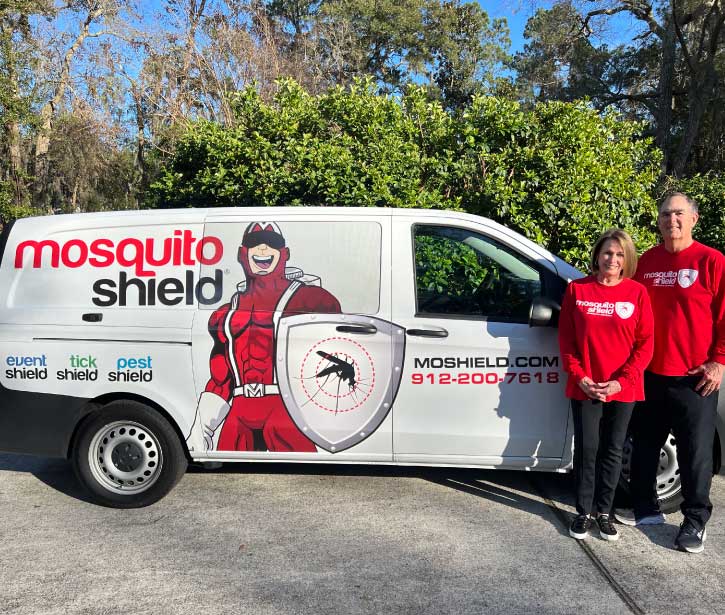
With humid summers, rainy springs, and increasingly warm autumns, the region supports a long mosquito season that typically stretches from April through October.
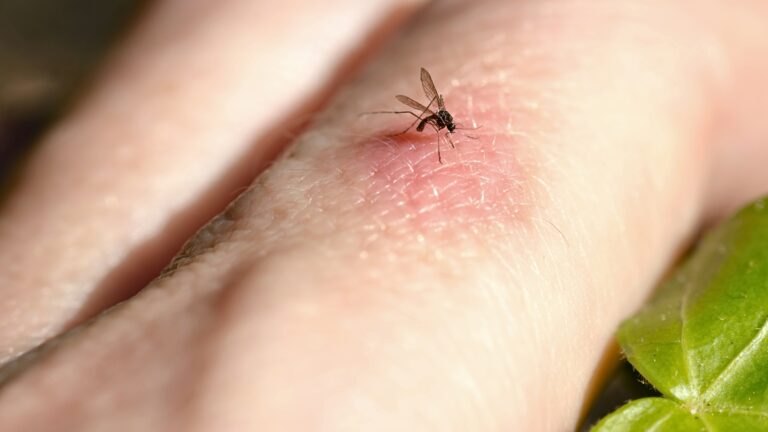
Here are the most common mosquito species residents encounter across Savannah.
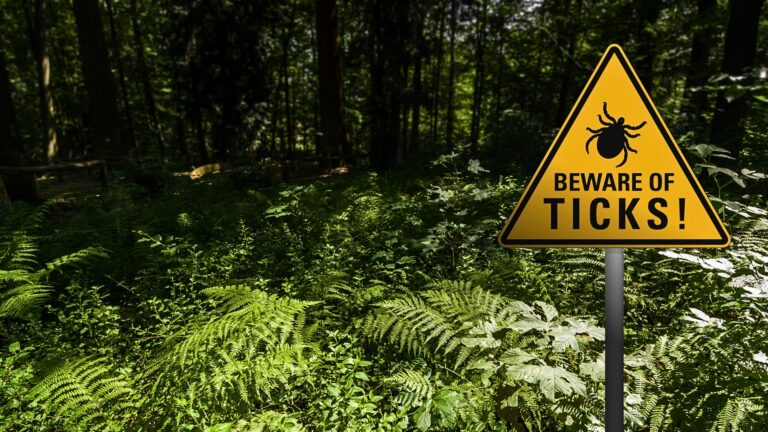
Savannah’s coastal forests, abundant wildlife, and humid seasonal climate support several tick species throughout much of the year.
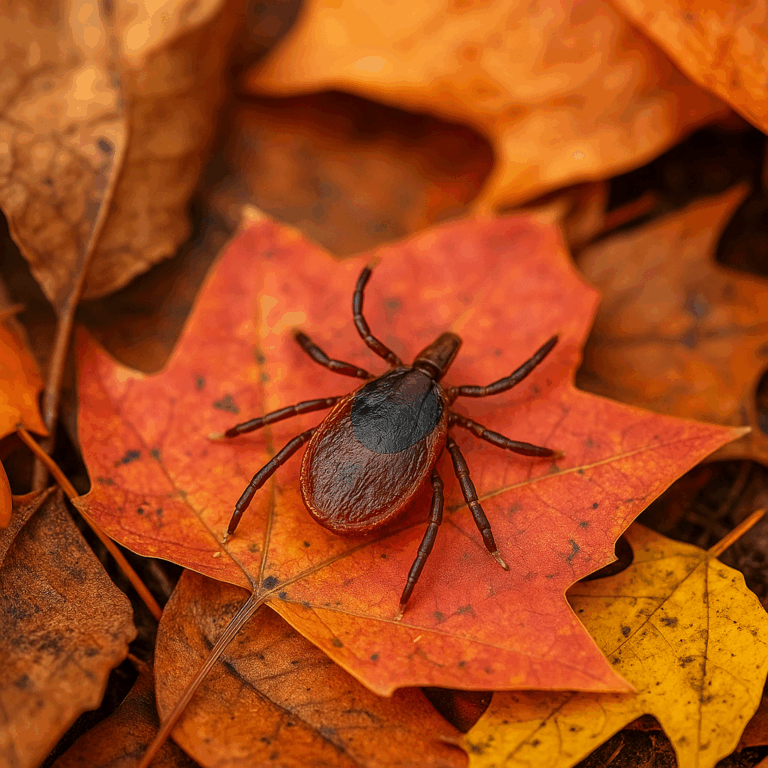
Savannah’s coastal woodlands, marsh edges, and long, humid summers make it a prime environment for ticks.
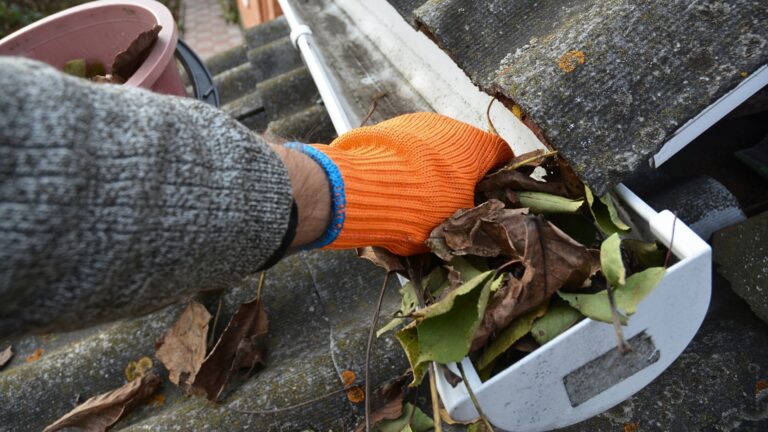
In Savannah, spring preparation plays an important role in reducing conditions that support mosquito development.
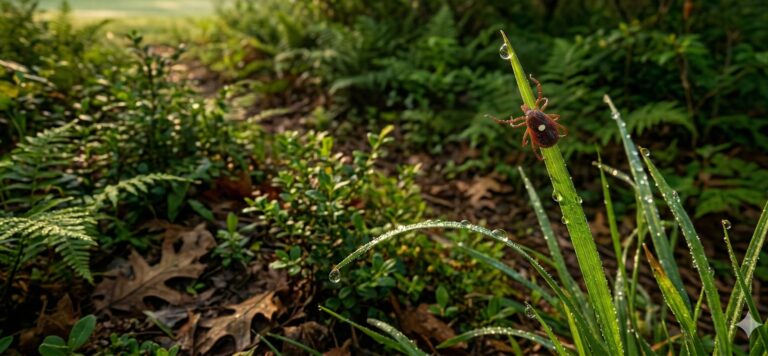
Examining why Savannah Georgia residents remain at risk for Lyme disease.
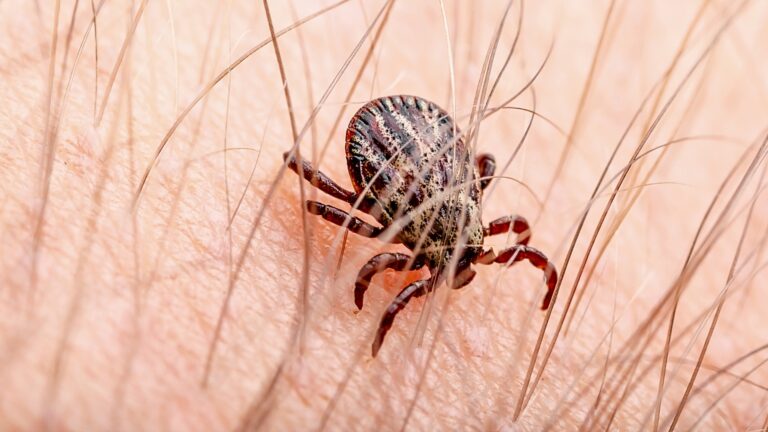
For residents in Savannah, understanding the specific health risks associated with local mosquito and tick populations is a critical component of regional environmental awareness.
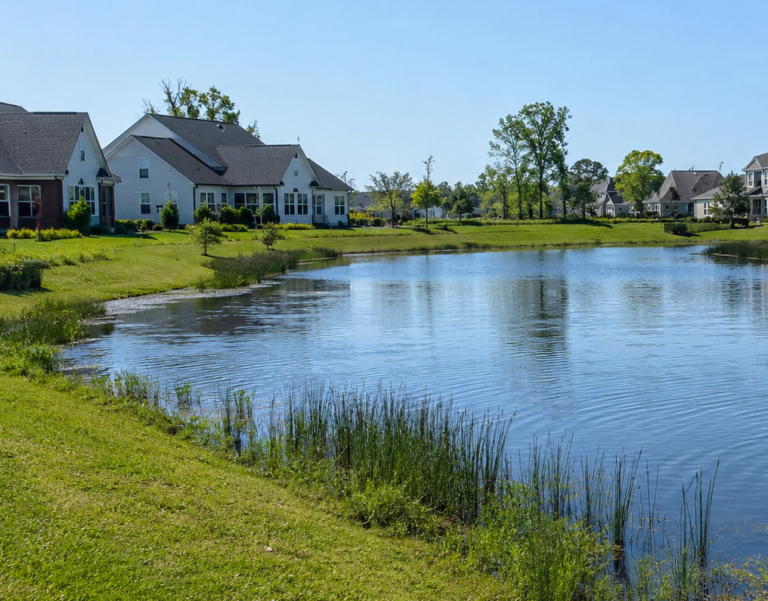
Retention ponds can contribute to mosquito activity, but the biggest problems often develop around shallow water, vegetation, drainage areas, and pond edges.
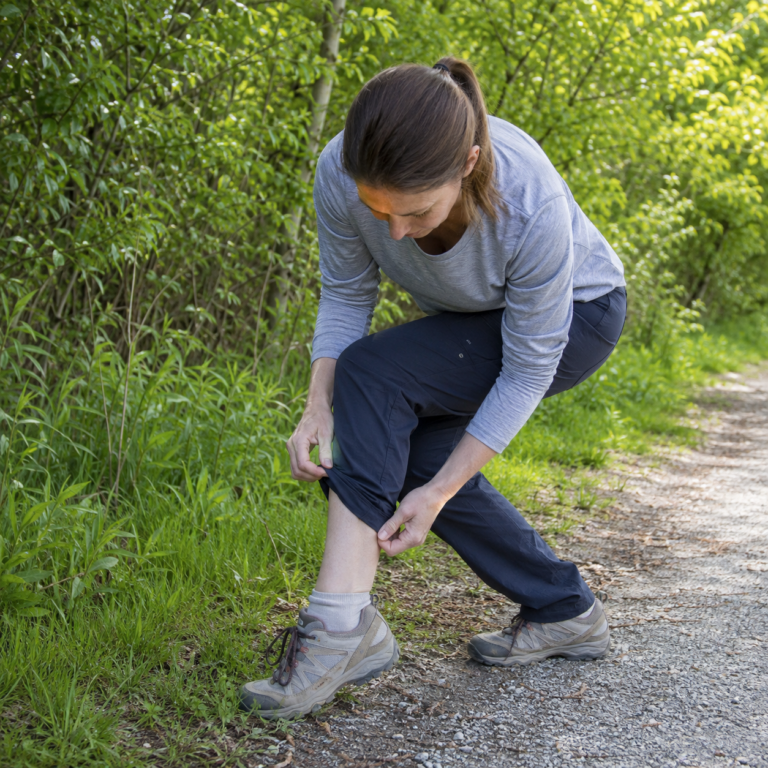
Learn how lone star ticks are spreading into new areas, how tick bites are linked to Alpha-gal syndrome, and why awareness of this unusual allergy is growing.
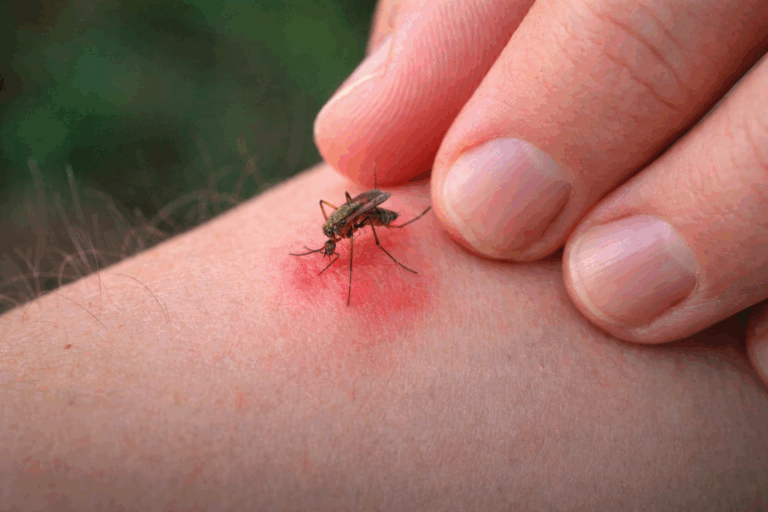
Learn about West Nile virus in Savannah, including how mosquitoes spread it, symptoms in people and pets, and when to seek care.