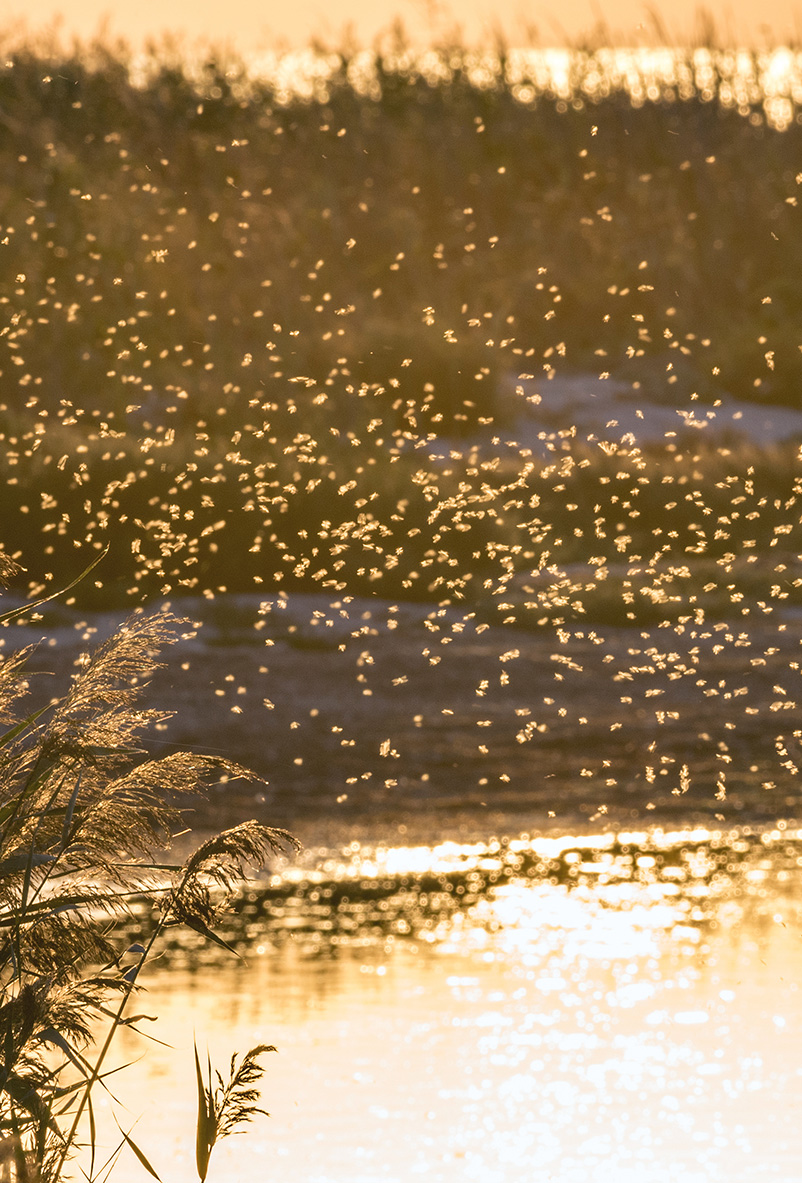
Georgia monitors both endemic and travel-associated mosquito-borne diseases, and the coastal environment around Savannah supports mosquito activity across a long season. Freshwater wet areas, retention zones, tidal influence, heavy summer rainfall, and warm temperatures all help sustain mosquito populations in residential and natural settings.
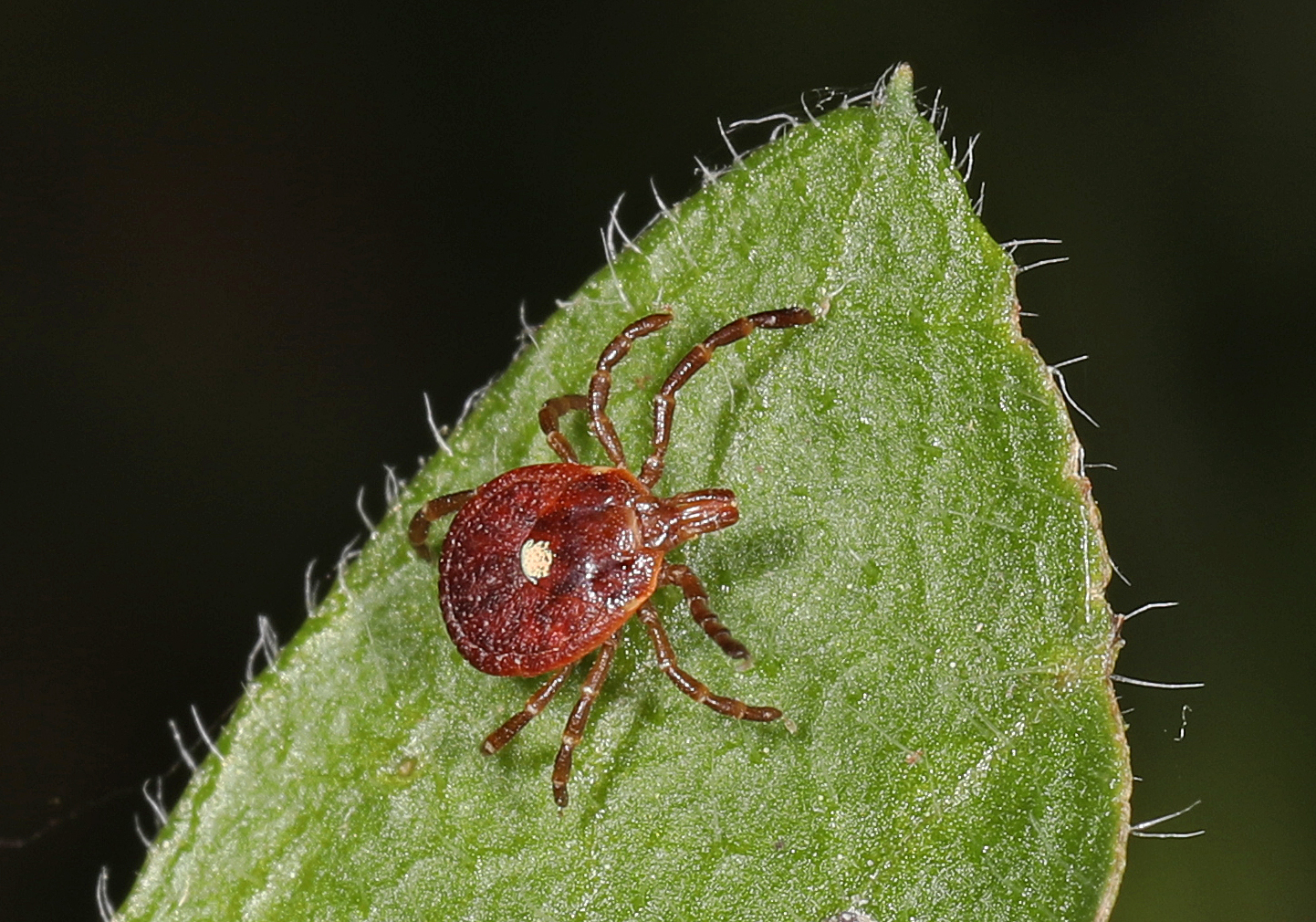
In Savannah, tick-related risk is shaped less by high Lyme incidence and more by the broader mix of tick species established in Georgia. Ticks are commonly found in shady ground litter, tall grass, brush, wooded margins, and backyards that border natural areas, which makes residential properties, trails, and transitional landscape edges especially important exposure zones.