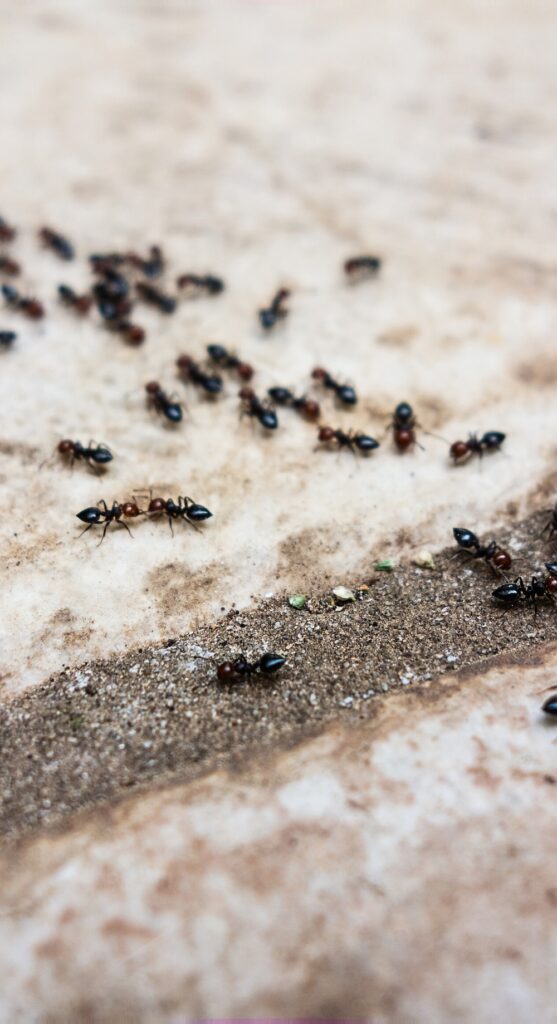
Ants are among the most common insects in the region, with activity peaking from late spring through early fall.
Several species are found across North Dallas, but the most frequently encountered include:
• Fire Ants (Solenopsis invicta)
Known for their painful stings and aggressive behavior, fire ants build large mounds in sunny, open areas such as lawns, playgrounds, and fields. After heavy rain, colonies often relocate, leading to sudden appearances in new spots.
• Carpenter Ants (Camponotus spp.)
Carpenter ants nest in damp or decaying wood and can cause structural damage if left unchecked. They’re especially active during the warmer months when moisture levels rise.
• Odorous House Ants (Tapinoma sessile)
Named for the unpleasant odor they emit when crushed, these ants are frequent indoor invaders. They’re drawn to sugary foods and moisture sources, such as kitchen sinks and bathrooms.
Ants typically remain active in North Dallas from March through October, though mild winters may extend their foraging behavior indoors.
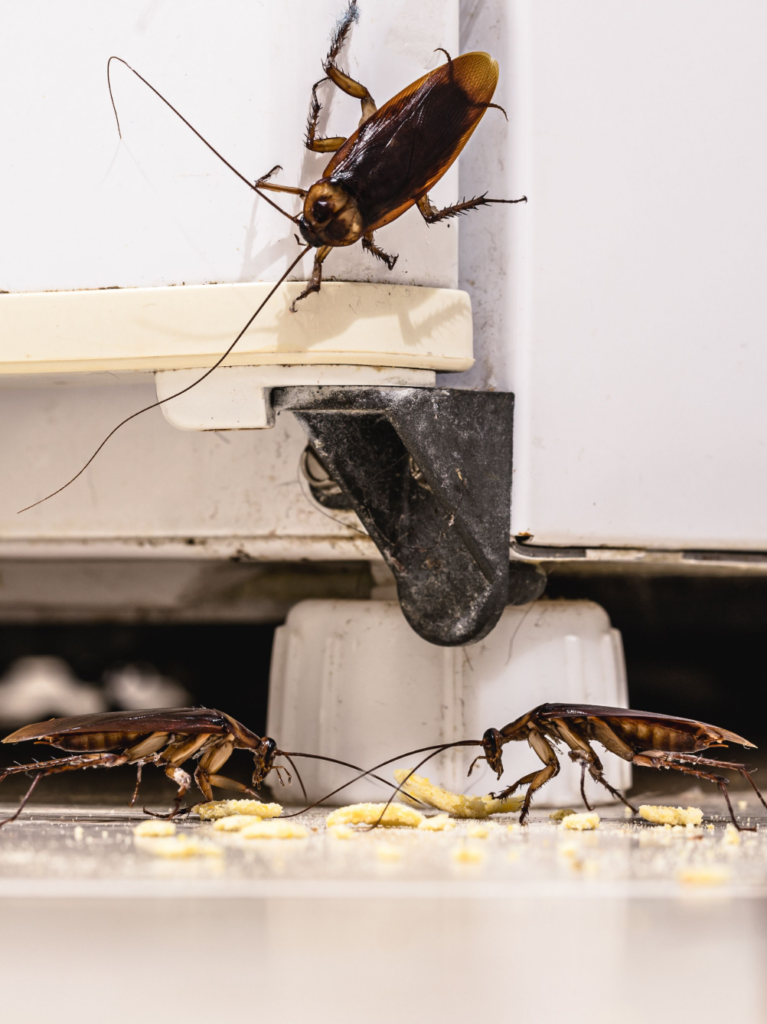
Cockroaches are highly adaptable insects capable of surviving in diverse environments. In North Dallas, their populations surge during warm, humid months when moisture is abundant.
Common species include:
• American Cockroach (Periplaneta americana)
The largest cockroach species found in Texas, it prefers warm, damp areas like crawl spaces, basements, and sewers. They often enter homes seeking food and water during summer.
• German Cockroach (Blattella germanica)
Smaller and more likely to infest kitchens and bathrooms, German cockroaches thrive in indoor environments year-round, particularly where warmth and food crumbs are accessible.
• Oriental Cockroach (Blatta orientalis)
Also known as the “water bug,” this species favors cool, damp areas such as drains, garages, and basements. Activity spikes following heavy rain.
Cockroaches breed rapidly, with a single female producing hundreds of offspring annually, making early detection key to managing infestations.
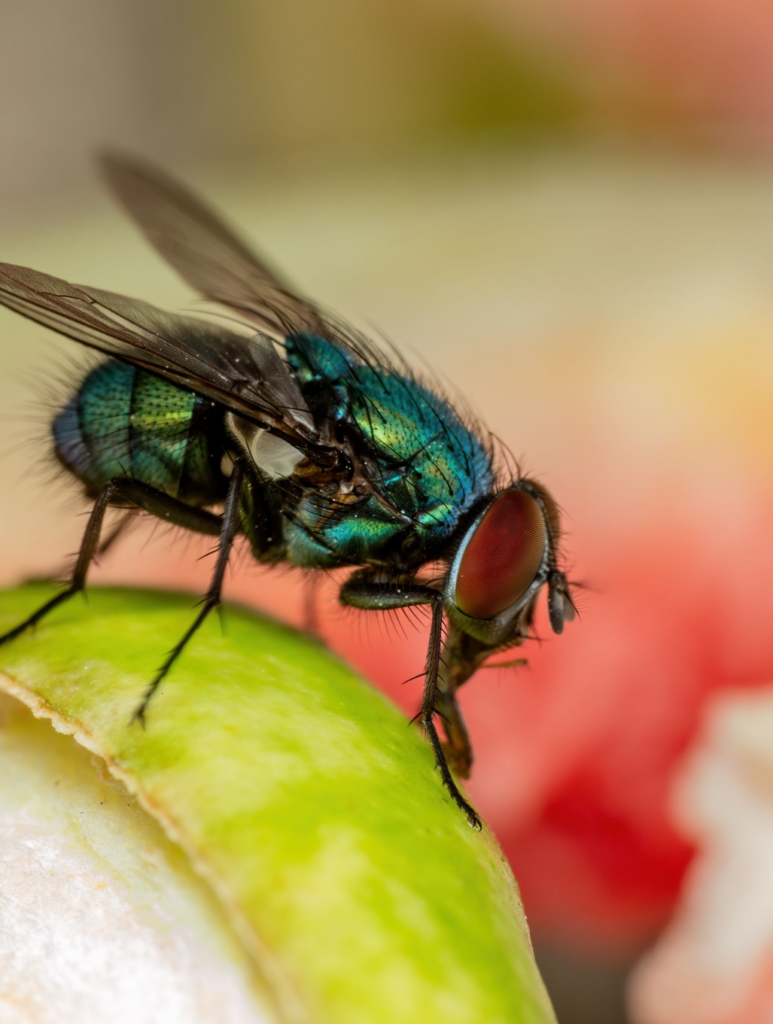
Flies are not only a nuisance but also potential disease carriers. Warm temperatures and readily available organic waste make North Dallas a prime environment for their growth and reproduction.
• House Flies (Musca domestica)
Common around homes, dumpsters, and outdoor eating areas, house flies are most active from spring through fall. They thrive in warm conditions and reproduce quickly—completing their life cycle in as little as 7 to 10 days.
• Fruit Flies (Drosophila melanogaster)
These tiny flies are drawn to ripe or fermenting produce, sugary liquids, and garbage bins. They breed indoors year-round, especially in kitchens and restaurants.
• Drain Flies (Psychodidae)
Found around sinks, showers, and floor drains, drain flies develop in moist organic matter. They’re most common in humid environments during summer.
Flies in North Dallas generally follow temperature trends—appearing in greater numbers as spring warms into summer and declining only when cold fronts arrive.