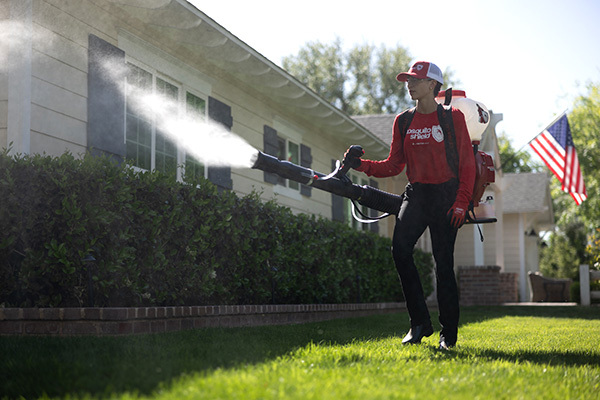
Experience relaxation and peace in your Far Rockaway backyard with our proven mosquito control solution. Trusted by families in Far Rockaway, our innovative approach not only repels mosquitoes but also establishes a durable barrier customized to your outdoor environment. Mosquito Shield of Long Island is dedicated to creating mosquito-free zones, so you can enjoy your outdoor spaces without interruption.

Effective mosquito control in Far Rockaway, NY, that drives mosquitoes away and keeps them out of your yard.

Enjoy mosquito-free outdoor time in Far Rockaway with treatments designed to provide lasting results.

Highly rated mosquito control services in Far Rockaway, trusted by residents to enhance outdoor living.


Ants may be tiny, but their colonies? Not so much. In Long Island’s warm, humid climate, ants thrive — often building massive nests just outside your home, ready to invade. At Mosquito Shield of Long Island, our exterior-only ant treatment doesn’t just stop the ants you see — it goes after the entire colony, wiping them out at the source.
Why Ants Thrive In Long Island:
Issues Caused by Ants:
Mosquito Shield of Long Island’s Pest Control Solution:
Long-lasting treatments help stop current infestations and prevent new colonies from forming.
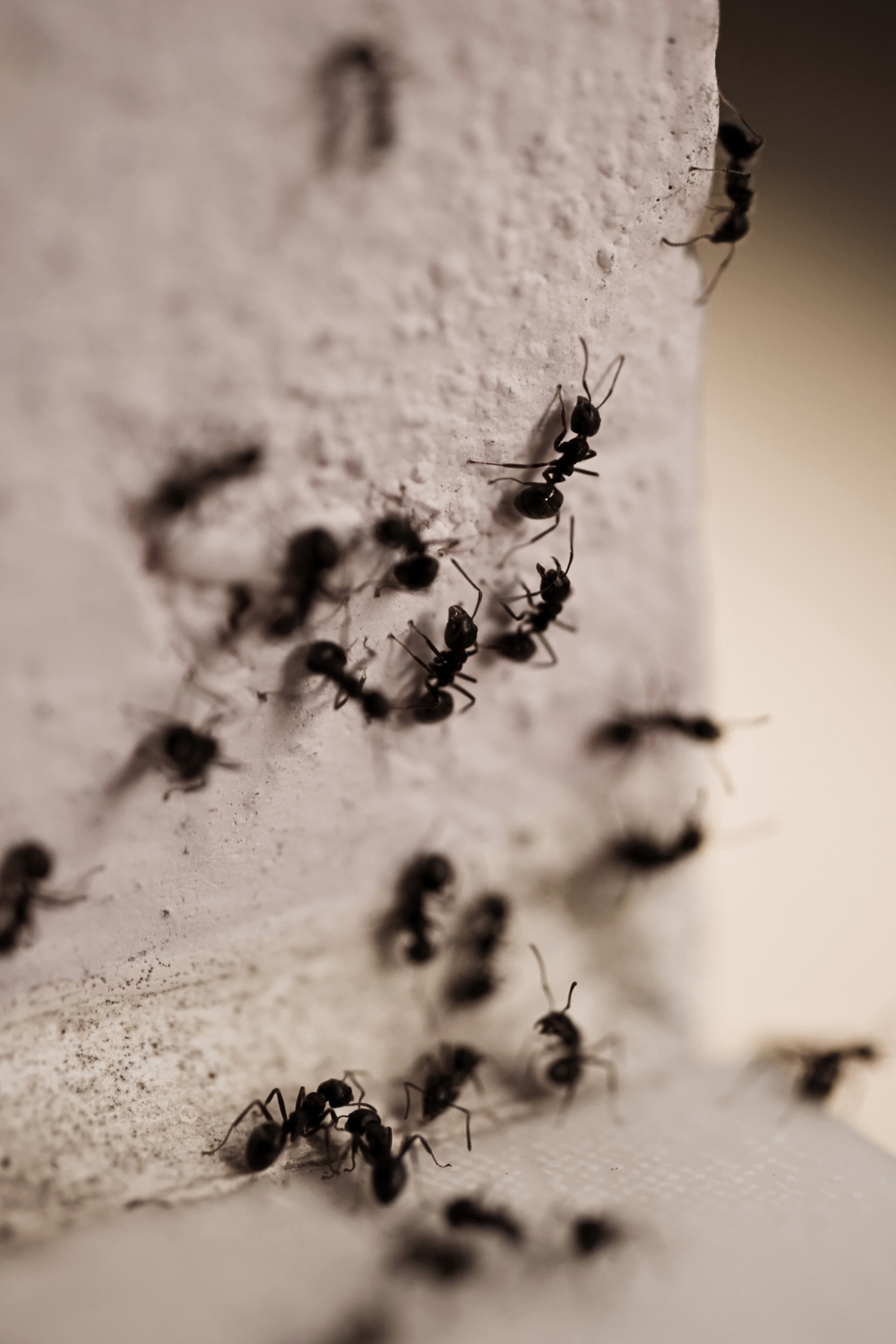
Let Mosquito Shield of Long Island help you reclaim your space, one colony at a time.
Far Rockaway, New York, located on the Rockaway Peninsula in Queens, offers a distinctive blend of urban living and coastal charm. With its expansive Atlantic Ocean beaches, vibrant boardwalk, and residential neighborhoods, it attracts both year-round residents and seasonal visitors. Popular outdoor destinations like Rockaway Beach, Bayswater Park, and Edgemere Urban Renewal Area provide plenty of space for recreation and relaxation. However, the area’s coastal environment, humid summers, and surrounding marshlands create favorable conditions for mosquito and tick activity throughout much of the year.
Residents of Far Rockaway face seasonal concerns from mosquito-borne illnesses such as West Nile Virus and Zika Virus, as well as tick-borne diseases like Lyme disease and Rocky Mountain Spotted Fever. Given the community’s active outdoor lifestyle and proximity to water, ongoing mosquito and tick management is essential to maintain comfort and well-being.
To help reduce mosquito and tick activity, residents are encouraged to:
Remove standing water from items like planters, buckets, and clogged gutters.
Apply insect repellent and wear long sleeves or pants during peak mosquito activity periods (dawn and dusk).
Arrange recurring professional mosquito and tick treatments for residential and communal outdoor spaces.
New York City’s Department of Health and Mental Hygiene conducts mosquito monitoring and seasonal treatments in Far Rockaway, including truck-based applications in targeted areas to help control mosquito populations and reduce the spread of mosquito-borne viruses.

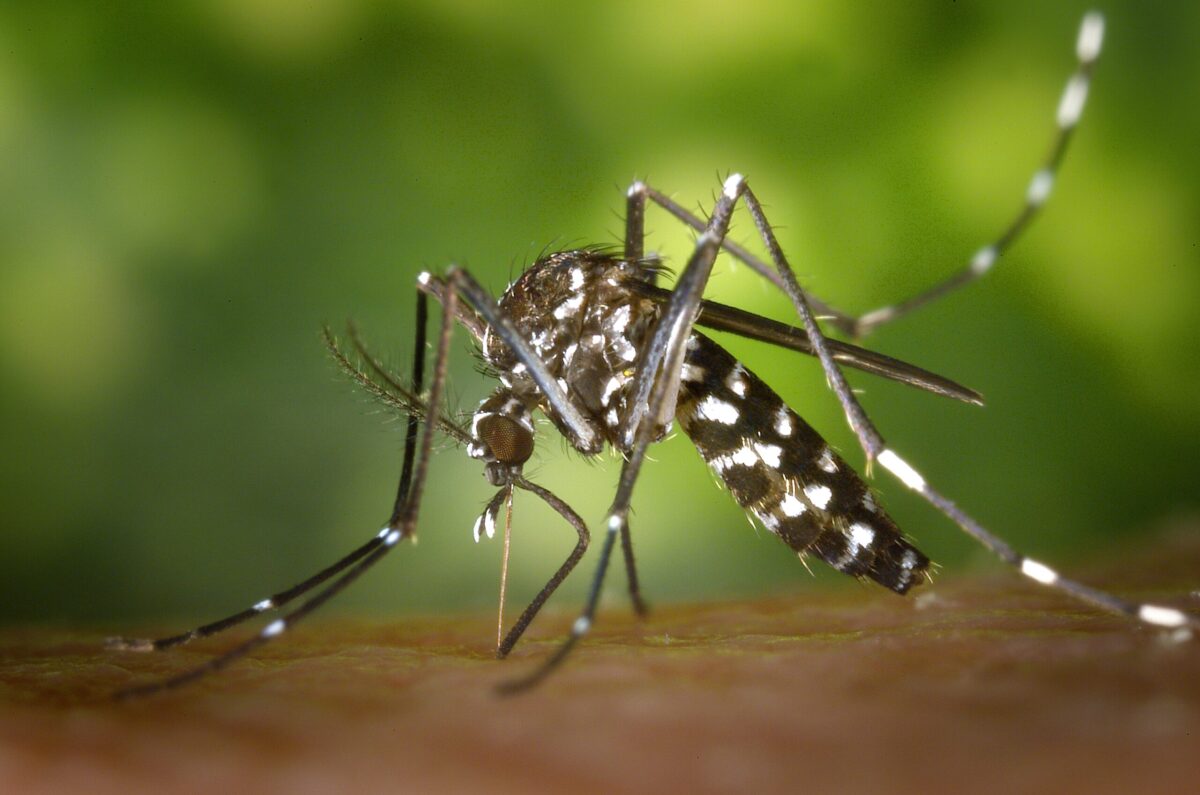
Identification: Black body with a distinctive white stripe down the back and banded legs.
Habitat: Thrives in shaded residential areas, especially near parks, gardens, and containers holding rainwater.
Behavior: Daytime biter—particularly aggressive around ankles and lower legs.
Health Risks: Known to transmit Zika, dengue, and West Nile virus.
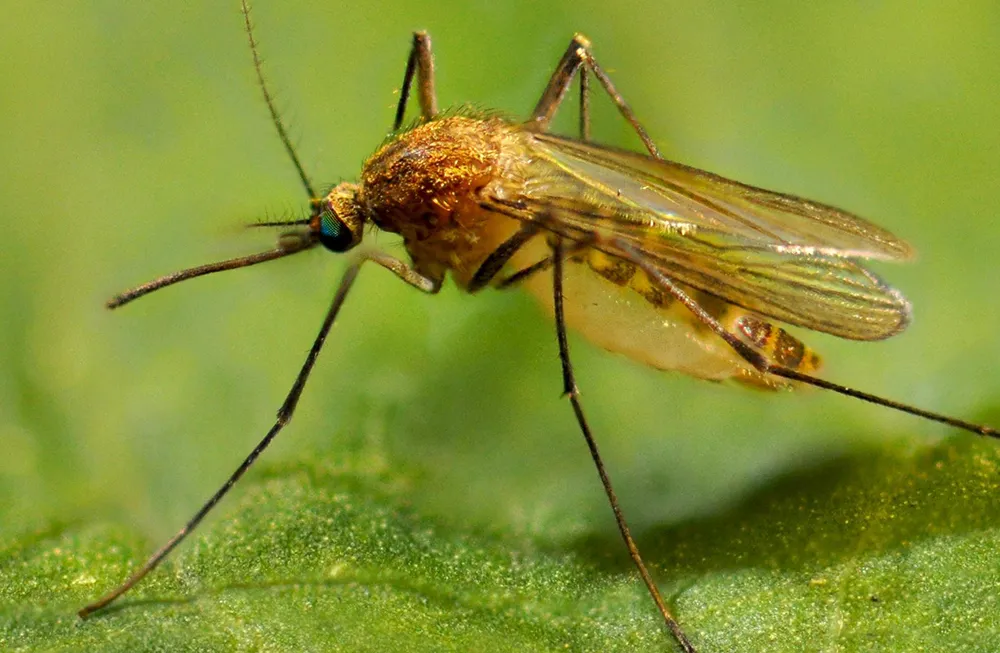
Identification: Light brown with narrow wings and paler legs; often confused with other Culex species.
Habitat: Found in stagnant water sources like storm drains, neglected pools, and birdbaths.
Behavior: Nighttime biter; commonly enters homes during summer.
Health Risks: Primary vector for West Nile virus in the Long Island region.
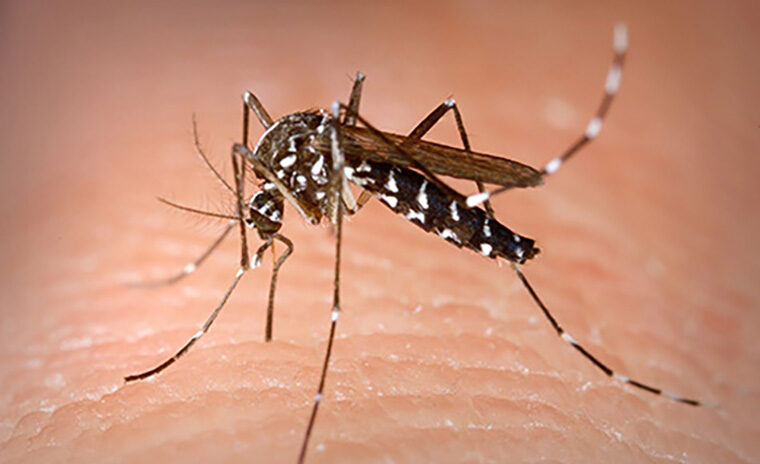
Identification: Small and black with white markings on the legs and a lyre-shaped pattern on the thorax.
Habitat: Urban and suburban environments; breeds in artificial containers.
Behavior: Aggressive daytime biter; prefers humans over animals.
Health Risks: Can transmit Zika, chikungunya, and dengue fever.
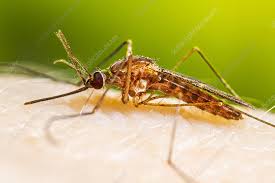
Identification: Medium-sized with four dark spots on each wing; rests in a characteristic angled position.
Habitat: Clean, slow-moving freshwater like marsh edges and retention ponds on the East End.
Behavior: Active at dusk and dawn.
Health Risks: Historically associated with malaria; still causes irritating bites.
Far Rockaway’s coastal location means it experiences warm, humid summers and cool winters, resulting in an extended mosquito and tick season from late spring through early fall. Ocean breezes, tidal pools, and heavy summer rainfall contribute to standing water—prime mosquito breeding grounds—while thick vegetation and shaded landscapes provide suitable habitats for ticks.
Key Factors Influencing Pest Activity:
Mosquitoes and Coastal Wetlands: Proximity to marshes, inlets, and tidal areas increases mosquito presence during warmer months.
Ticks and Vegetation: Overgrown grass, beachside dunes, and wooded park areas offer favorable environments for ticks, especially in spring and fall.

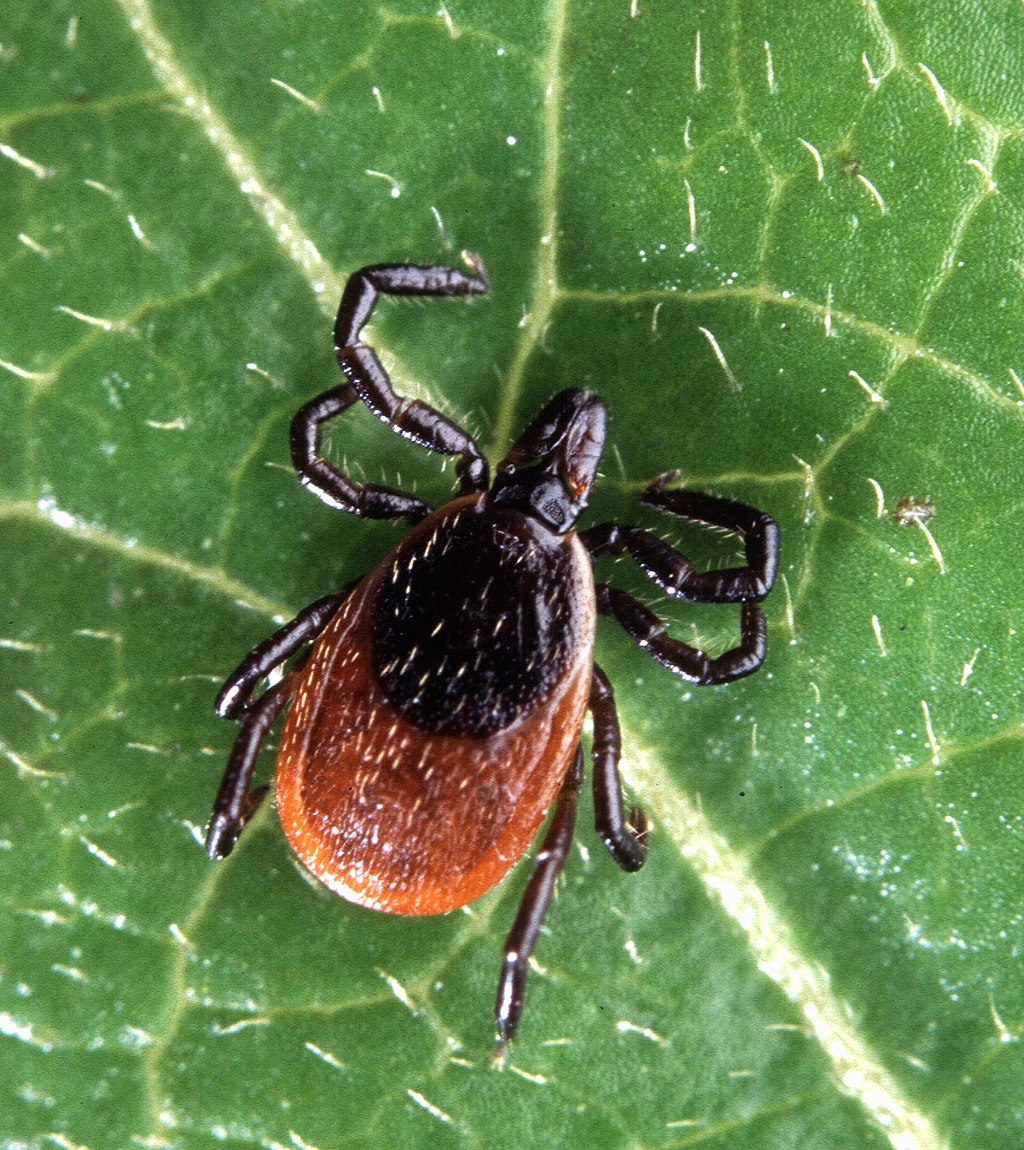
Common throughout Suffolk and Nassau counties, deer ticks thrive in Long Island’s wooded parks, leaf litter, and tall grasses. Adult ticks are small and dark, with females showing a reddish rear. These ticks are the primary vector of Lyme disease in the region, along with other illnesses like babesiosis and anaplasmosis. Tick exposure is common in areas like the Pine Barrens, Caumsett State Park, and shaded neighborhood paths. Always check pets and clothing after outdoor activity.
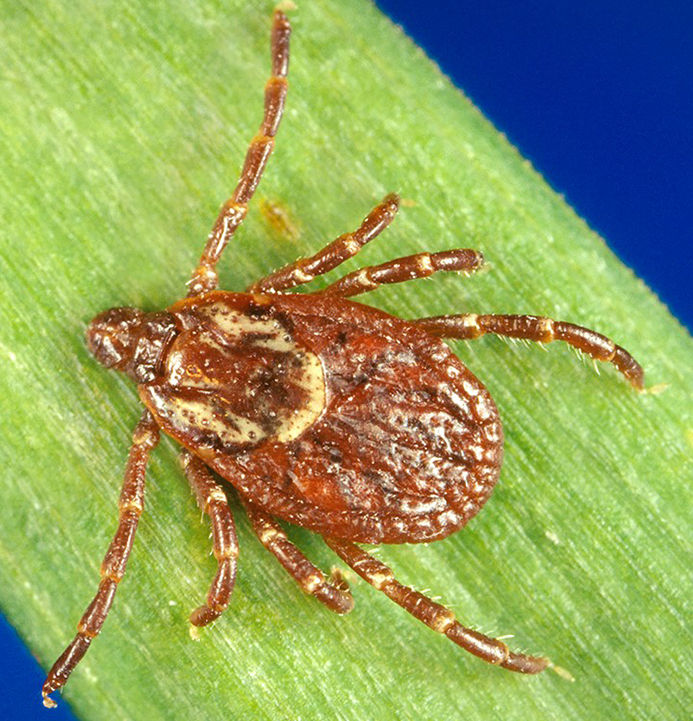
Larger and easier to spot, wood ticks prefer grassy fields and open trails across Long Island, including recreational zones and suburban green spaces. They are reddish-brown with white or silver patterns on their backs. Though not Lyme carriers, they can transmit tularemia and Rocky Mountain spotted fever. Keeping your lawn trimmed and applying vet-recommended treatments to pets can help reduce their presence.
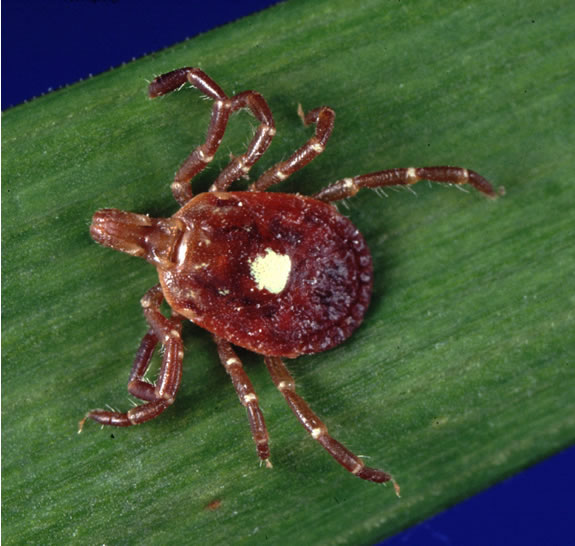
Now regularly seen on Long Island’s East End and southern coastal trails, Lone Star ticks are aggressive biters found in warm, brushy woods. Females feature a single white dot on their backs, making them easy to identify. They’re associated with ehrlichiosis and alpha-gal syndrome (a meat allergy), making them a rising concern in the area. Their spread is linked to the local deer population and expanding forest-edge habitats.

Whether you’re grilling fresh seafood with friends or watching fireflies flicker from your patio chairs...
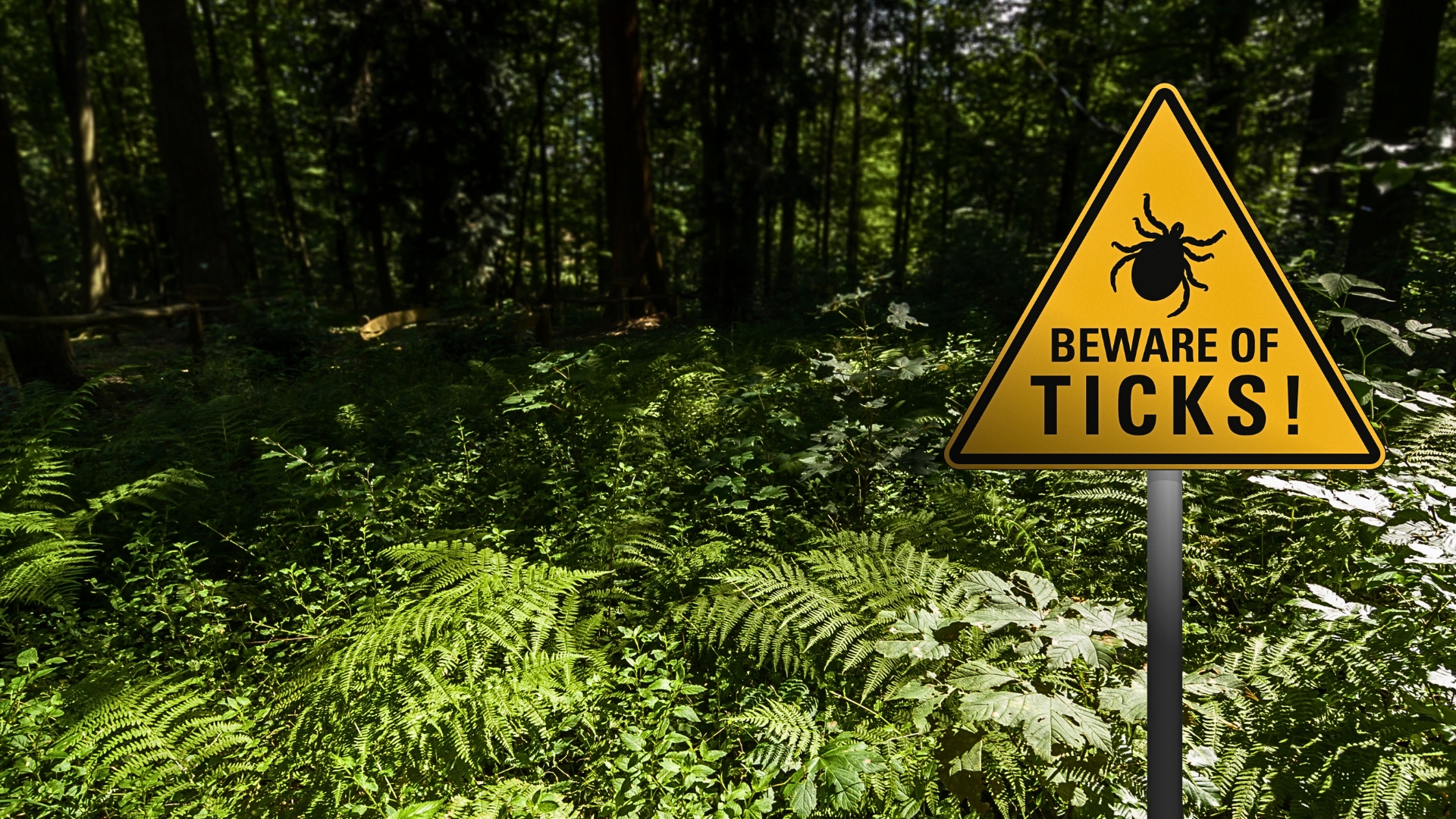
A seasonally timed checklist to help Long Island homeowners stay ahead.
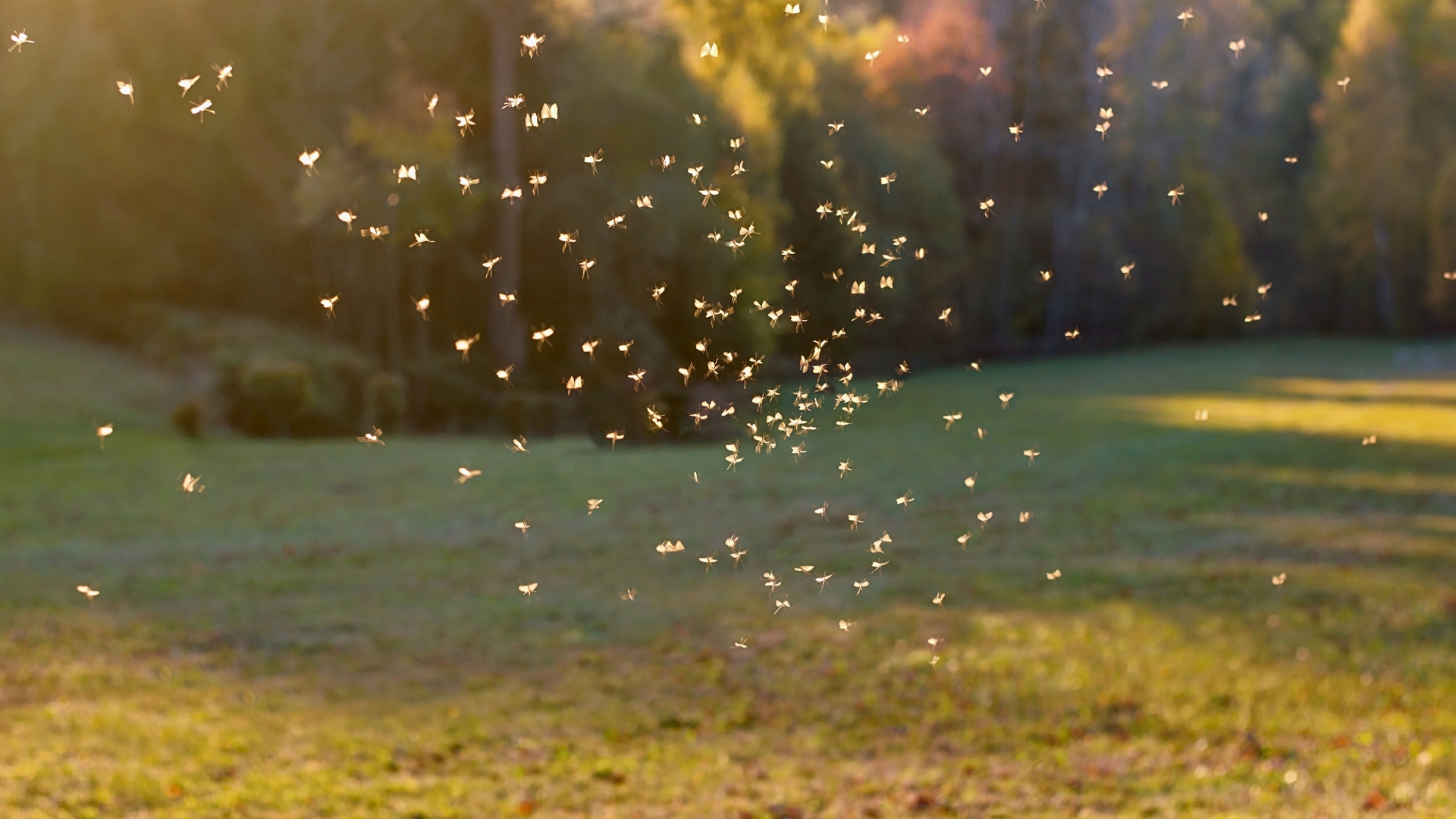
The humid, rain-soaked environment that follows storms is a breeding paradise for mosquitoes across Nassau and Suffolk Counties.