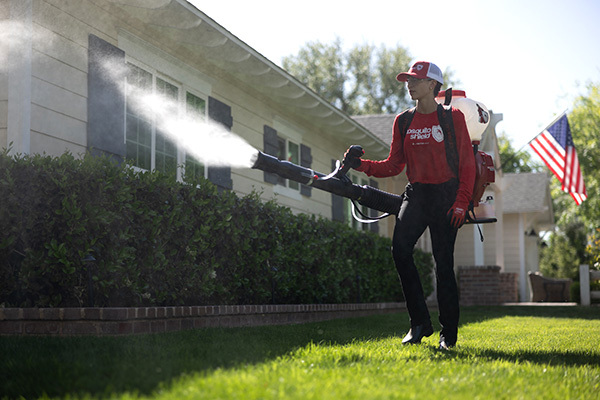
Experience relaxation and peace in your Summit backyard with our proven mosquito control solution. Trusted by families in Summit, our innovative approach not only repels mosquitoes but also establishes a durable barrier customized to your outdoor environment. Mosquito Shield of East Central New Jersey is dedicated to creating mosquito-free zones, so you can enjoy your outdoor spaces without interruption.
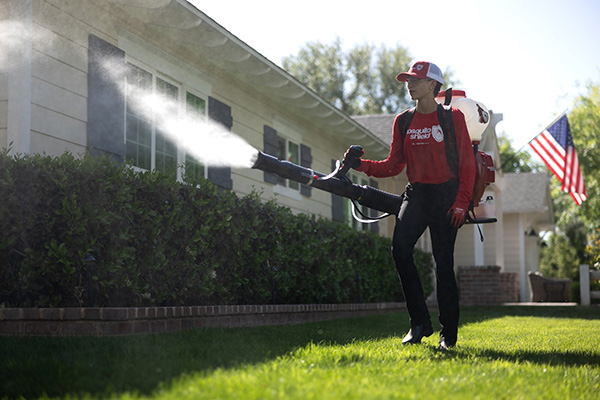
Effective mosquito control in field, Summit NJ, that drives mosquitoes away and keeps them out of your yard.

Enjoy mosquito-free outdoor time in Summit with treatments designed to provide lasting results.
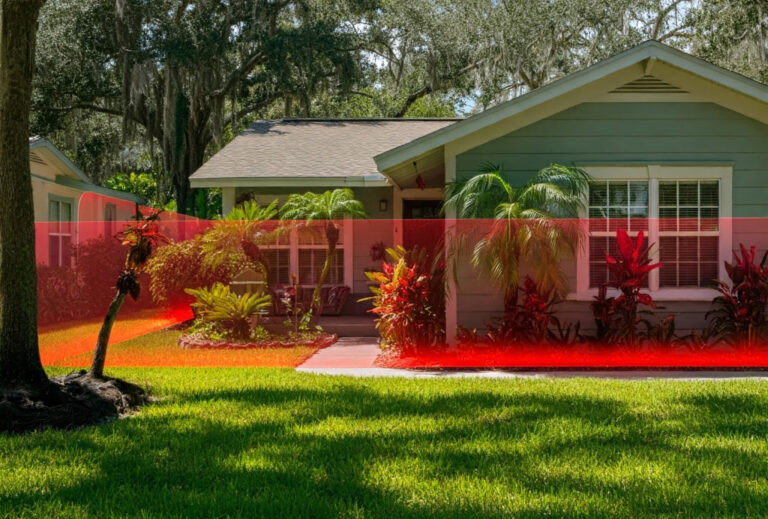
Highly rated mosquito control services in Summit, trusted by residents to enhance outdoor living.
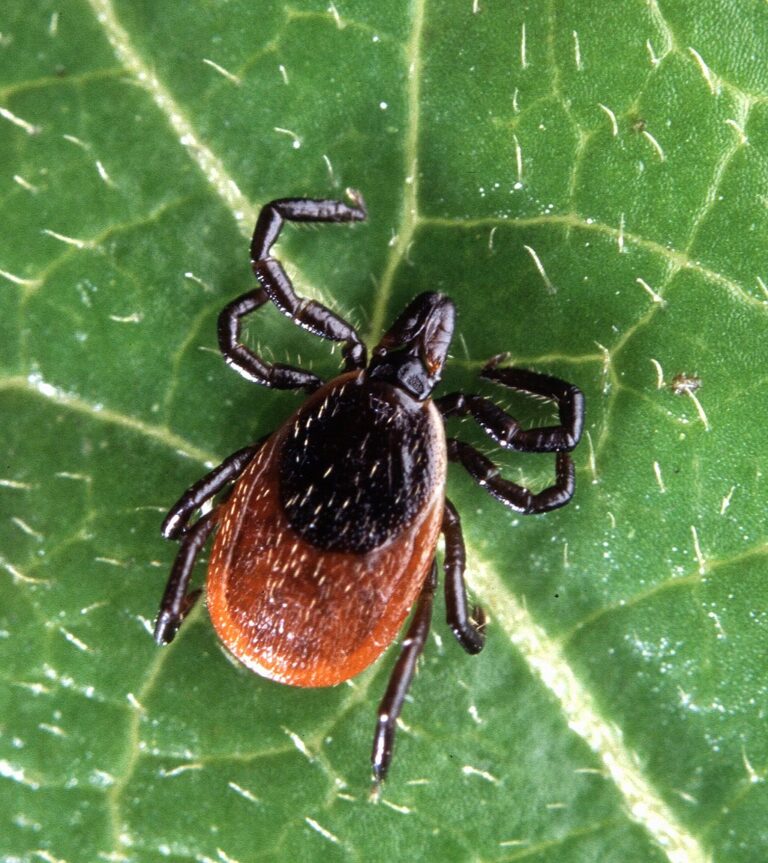
Adult deer ticks are about the size of a sesame seed, with females showing a reddish-brown body and a dark shield behind the head. Nymphs and larvae are smaller but still capable of spreading disease. They thrive in wooded areas, tall grasses, and leaf litter, and can also be found in shaded yards and gardens near tree lines. Deer ticks in East Central NJ are the main carriers of Lyme disease and can also spread anaplasmosis, babesiosis, ehrlichiosis, and Powassan virus.
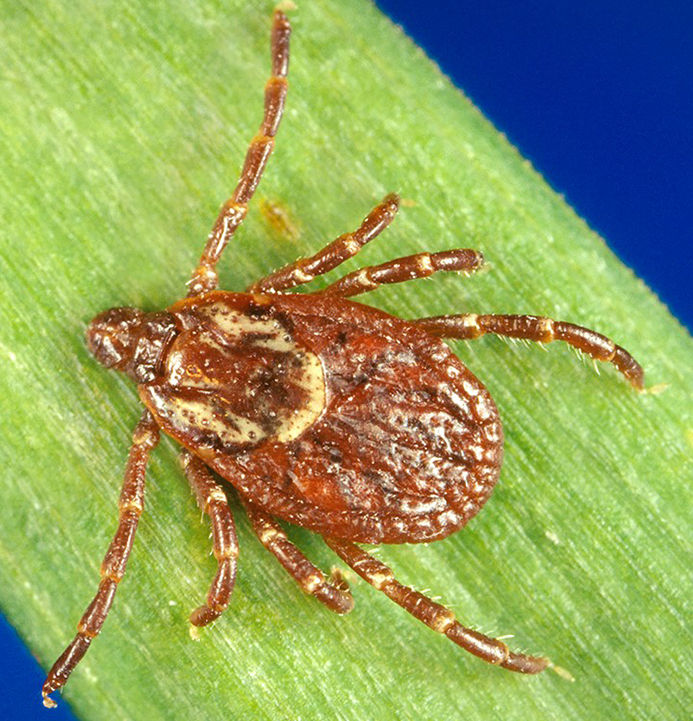
Larger than deer ticks, with reddish-brown bodies and distinctive white or silver markings on their backs. Females can swell to the size of a pea when engorged. Found in grassy fields, along hiking trails, and in open wooded spaces, they are often near recreational areas and residential yards. They do not transmit Lyme disease but can carry Rocky Mountain spotted fever and tularemia. Their bites can cause irritation or infection if not removed promptly.
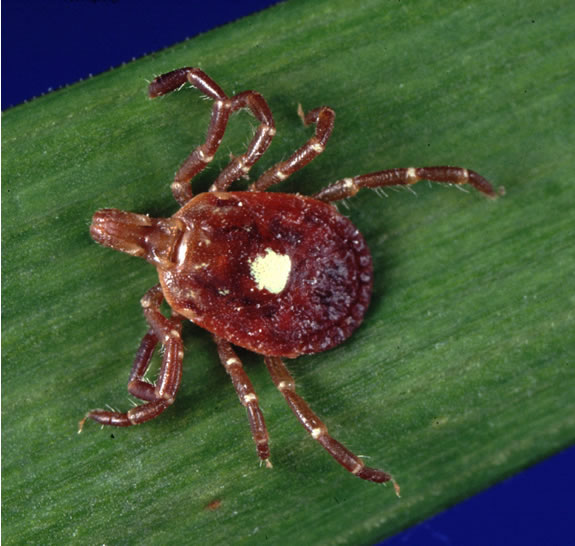
Medium-sized ticks with females easily identified by a single white dot on their backs; males have faint edge markings. While less common in East Central NJ, their range is expanding. They prefer warm, wooded habitats with dense underbrush, often along deer trails. Lone Star ticks are known for their aggressive feeding behavior and can transmit illnesses such as ehrlichiosis, tularemia, and Heartland virus. They have also been linked to alpha-gal syndrome, which can trigger red meat allergies.


Summit, New Jersey, is an upscale city in Union County, celebrated for its vibrant downtown, top-rated schools, and tree-lined neighborhoods. With close access to outdoor destinations like Reeves-Reed Arboretum, Briant Park, and Watchung Reservation, Summit residents enjoy a strong connection to nature and outdoor living. However, the area’s humid summers, frequent rainfall, and mature landscaping make it a favorable environment for mosquito and tick activity for much of the year.
Residents of Summit are at seasonal risk for mosquito-borne illnesses such as West Nile Virus and Zika Virus, as well as tick-borne diseases like Lyme disease and Anaplasmosis. With so many outdoor spaces to explore and enjoy, effective mosquito and tick management is key to supporting public health and preserving quality of life.
To help limit exposure to these pests, residents should:
Remove standing water from flower pots, toys, and outdoor furniture.
Apply insect repellent and wear long sleeves and pants, especially during dawn and dusk.
Arrange routine mosquito and tick treatments to cover yards, gardens, and outdoor recreation spaces.
Union County performs seasonal mosquito control through monitoring and treatment programs, but Summit homeowners often choose additional treatments to maintain comfort throughout the active season.

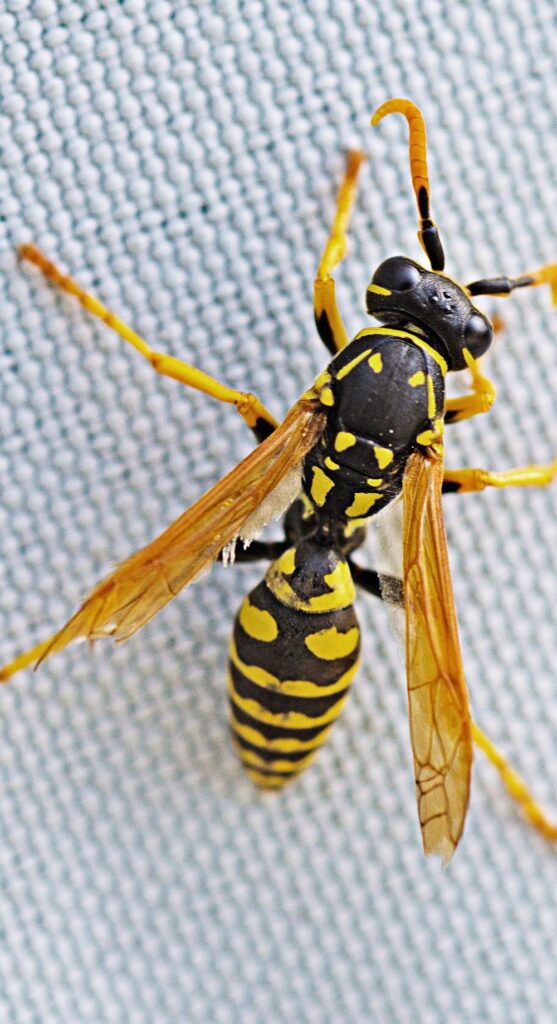
From backyard barbecues to playgrounds wasps are quick to crash the party in East Central New Jersey. You’ll most often spot them in late spring through fall, building nests under eaves, behind shutters, and even underground. Around here, yellowjackets, paper wasps, and bald-faced hornets are the most common offenders. And while they play a role in pest control, their aggressive behavior makes them a top concern for families and outdoor spaces.
Why Wasps Are a Problem in East Central NJ:
Attracted to food, drinks, trash bins, and sweet-smelling flowers
Known to sting repeatedly when provoked
Nests often hidden in high-traffic areas like decks and doorways
At Mosquito Shield of East Central New Jersey, we locate and treat existing nests while also applying preventive treatments to discourage future activity. Our wasp treatments are focused on hot spots around your home’s exterior, with attention to overhangs, gutters, and other nesting zones. We’ll help you reclaim your yard without fear of painful stings.
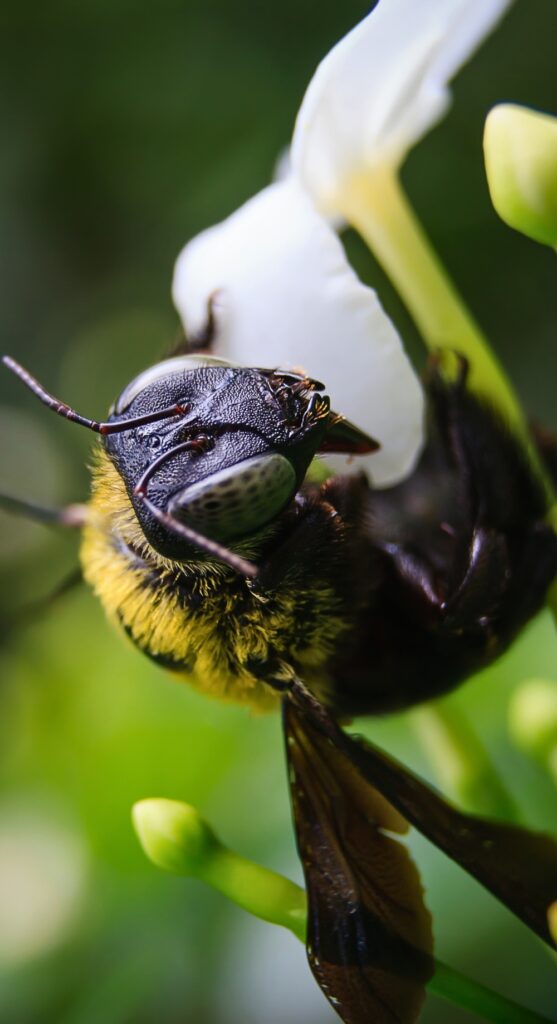
Carpenter bees can be a real menace in East Central NJ. Unlike termites, they don’t eat wood, but they tunnel into it to create nests. You’ll usually find them hovering around exposed wooden surfaces like fascia boards, porch railings, or deck posts—especially in spring and early summer.
Signs of Carpenter Bee Activity:
Perfectly round holes in exposed wood
Sawdust piles beneath entry holes
Persistent hovering males guarding nesting spots
Carpenter bee damage isn’t just cosmetic—over time, it can weaken structures and even attract woodpeckers, which cause even more destruction. Our exterior treatments target carpenter bee nesting areas, including soffits, trim, and unfinished wood, to disrupt their boring behavior and protect your property long-term.
Summit’s climate features hot, humid summers and cold winters, resulting in a mosquito and tick season that stretches from late spring through early fall. Stormwater runoff, backyard water features, and thick foliage contribute to the area’s consistent pest activity.
Key Factors Influencing Pest Activity:
Mosquitoes and Landscape Drainage: Backyard ponds, shaded patios, and even neglected gutters can serve as mosquito breeding sites.
Ticks and Mature Landscaping: Wooded areas, hedgerows, and leaf litter provide ideal hiding places for ticks during cooler months.