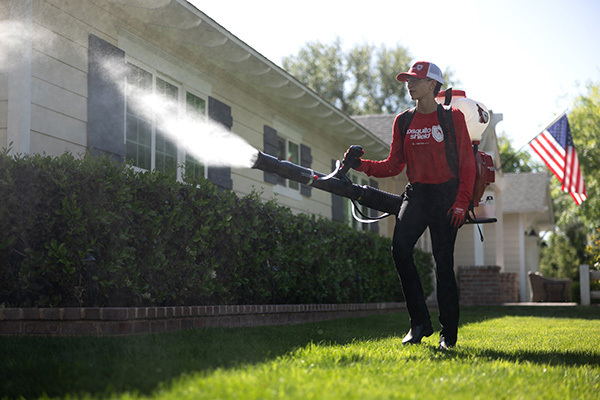
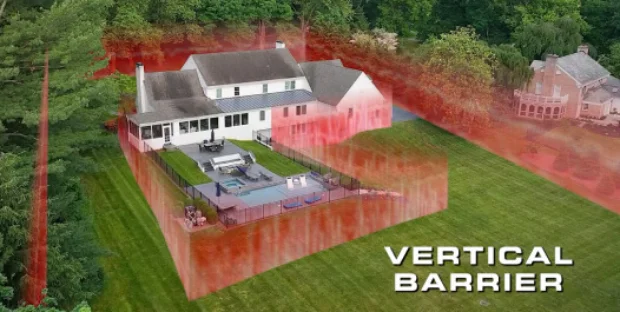
Experience relaxation and peace in your Carteret backyard with our proven mosquito control solution. Trusted by families in Carteret, our innovative approach not only repels mosquitoes but also establishes a durable barrier customized to your outdoor environment. Mosquito Shield of East Central New Jersey is dedicated to creating mosquito-free zones, so you can enjoy your outdoor spaces without interruption.

Effective mosquito control in field, Carteret NJ, that drives mosquitoes away and keeps them out of your yard.

Enjoy mosquito-free outdoor time in Carteret with treatments designed to provide lasting results.
Highly rated mosquito control services in Carteret, trusted by residents to enhance outdoor living.


Carteret, New Jersey, is a historic waterfront borough in Middlesex County known for its classic suburban neighborhoods, industrial heritage, and active outdoor lifestyle. Situated along the Arthur Kill tidal strait, residents enjoy convenient access to scenic riverside open spaces, municipal athletic fields, and popular recreational destinations such as Carteret Waterfront Park, the municipal marina, Carteret Park, and the Arthur Kill Coastal Path. Residents spend significant portions of the year taking advantage of backyard patios, gardening, community athletic facilities, and open green lawns. However, Carteret’s temperate climate, spring rainfall, tidal water table, and surrounding low-lying drainage networks create favorable conditions for mosquito and tick activity throughout the warm months.
Residents across Carteret face seasonal risks from mosquito-borne illnesses such as West Nile Virus and Eastern Equine Encephalitis (EEE), alongside tick-borne diseases including Lyme disease and Anaplasmosis. With backyard cookouts, neighborhood get-togethers, and waterfront recreation central to the community’s lifestyle, proactive mosquito and tick management supports comfortable outdoor environments.
To help reduce mosquito and tick activity, residents are encouraged to:

Carteret experiences warm, humid summers preceded by wet spring conditions and followed by crisp autumns, contributing to an extended biting insect season that regularly spans from April through October. Periodic seasonal downpours, elevated water tables, and runoff feeding toward the Arthur Kill and local marshland tributaries produce pockets of standing water, while shaded residential tree canopies and damp underbrush supply sheltered ground cover for ticks.
Key Factors Influencing Pest Activity: