East Central NJ

Carpenter Ants, Spiders and Spotted Lanternflies in East Central New Jersey

Ecological Context of East Central New Jersey

The East Central region of New Jersey bridges the inner-ring suburbs of the New York metropolitan area with the Raritan River basin and coastal plain transitions. This geography features:
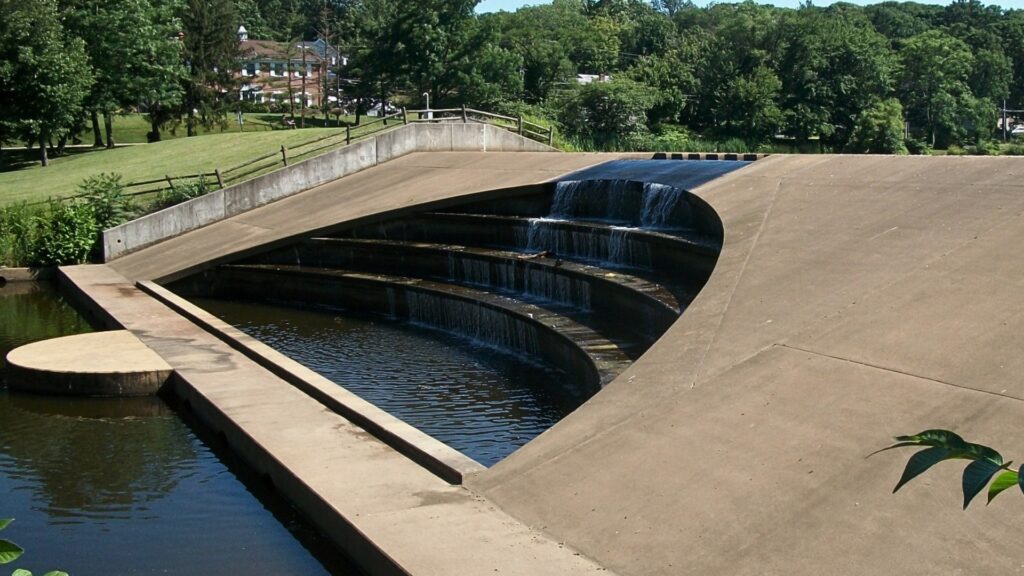
  • High Humidity and Precipitation: Annual rainfall averaging 45 to 50 inches, coupled with heavy summer humidity, accelerates wood decay and moisture accumulation in residential structures.
  • Urban-Suburban Edge Habitats: Interspersed tracts of mature deciduous trees (such as oaks, maples, and ashes) alongside manicured turfgrass provide ideal nesting and foraging zones for wood-boring and sap-feeding insects.
  • Temperature Extremes: Distinct seasonal shifts—ranging from freezing winter temperatures to humid summers averaging in the mid-80s—trigger predictable pest lifecycle transitions from overwintering diapause to peak summer activity.
Watchung NJ Hero Mosquito Shield of East Central NJ

Carpenter Ants
(Camponotus pennsylvanicus)

Behavior and Biology Carpenter ants are among the largest ant species found in New Jersey, with workers ranging from 1/8 to 1/2 inch in length. Unlike termites, carpenter ants do not consume wood for nutrition. Instead, they excavate smooth tunnels and galleries inside damp, decaying, or water-damaged wood to create nesting sites. A mature colony features a primary nest (often outdoors in tree stumps, landscape timbers, or rotting logs) and multiple satellite nests established inside structural voids, window frames, and roof soffits.

Seasonality and Regional Impact
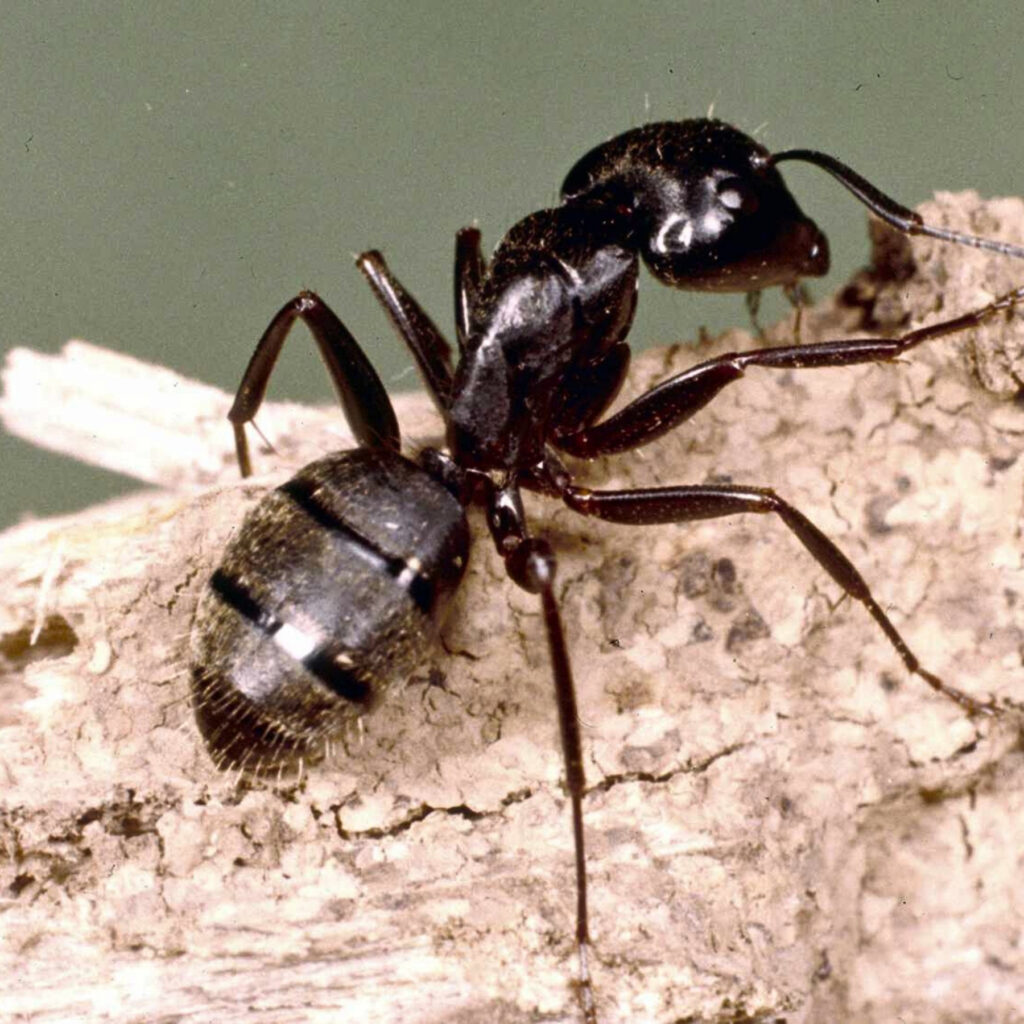
  • Spring Activation: As temperatures rise consistently above 50°F in April and May, overwintering colonies resume heavy foraging activity, and winged reproductives (swarmers) emerge to establish new colonies.
  • Summer Peak: Worker populations expand rapidly as they forage nightly for protein and sugar sources, frequently invading residential kitchens and pantries.
    NJ Pest Control
  • Environmental Drivers in NJ: Aging suburban housing stock combined with localized plumbing leaks, poor roof drainage, or dense shade trees that keep building exteriors damp creates high vulnerability to carpenter ant intrusion.
Carpenter Ant issues create major problems if left untreated

Spiders
(Nuisance and Web-Building Species)

Behavior and Biology A wide variety of spiders inhabit East Central New Jersey, including common web-builders (such as orb-weavers and American house spiders) and hunting species (such as wolf spiders and jumping spiders). While most species found locally are ecologically beneficial predators that regulate insect populations, high densities around structural foundations, porches, and utility entry points present a significant nuisance.

Seasonality and Regional Impact
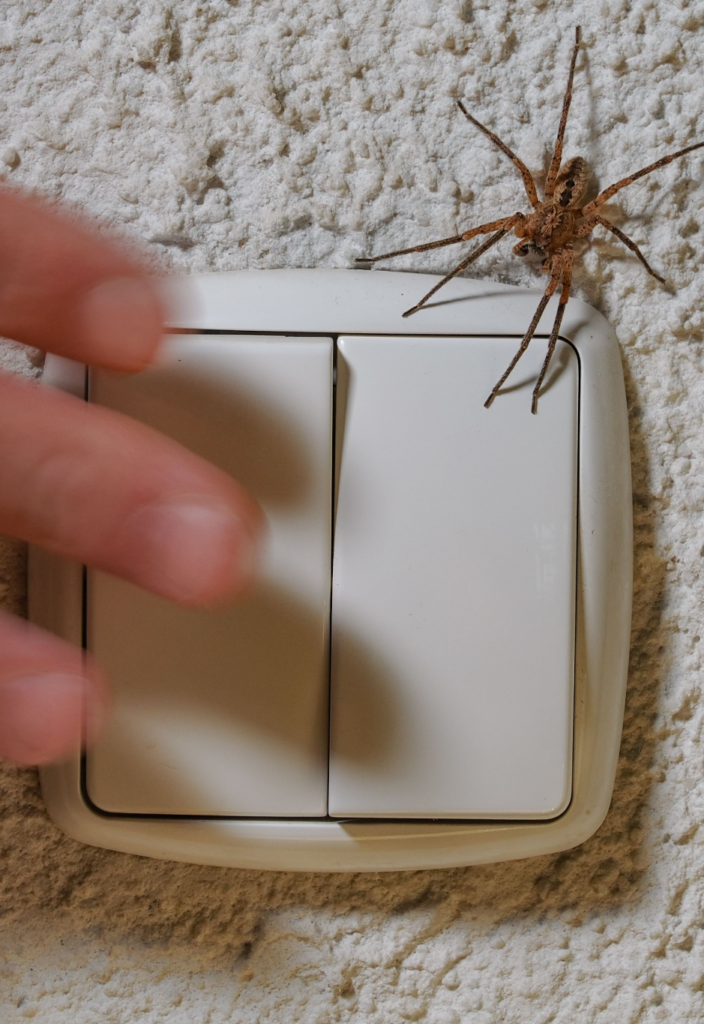
  • Late Summer and Autumn Peak: Spider activity reaches its zenith in late August through October. During this period, many species reach maturity and actively move in search of mates or indoor overwintering shelter as ambient temperatures drop.
  • Structural Attraction: Exterior lighting on suburban homes attracts high concentrations of flying insects (moths, midges, and mosquitoes) at night, which in turn draws predatory spiders to build webs directly across doorways, light fixtures, and siding.
  • Environmental Drivers in NJ: Dense vegetation, heavy mulch beds close to foundations, and cluttered crawl spaces provide ideal micro-climates for spider harborage.
spider problems

Spotted Lanternfly
(Lycorma delicatula)

Behavior and Biology The spotted lanternfly is an invasive planthopper native to Asia first documented in Pennsylvania before spreading extensively across New Jersey. Measuring about one inch long as an adult, it features distinctive grayish-pink forewings spotted with black dots and vibrant red underwings. Operating as a sap-feeding insect, it targets a broad host range of agricultural crops, ornamental trees, and invasive plants—most notably the Tree of Heaven (Ailanthus altissima).

Seasonality and Regional Impact

  • Egg Hatch (Spring): Overwintering egg masses—resembling patches of mud—hatch from late April through May, releasing small, black-and-white nymphs (instars) that feed voraciously on soft plant stems and herbaceous growth.
  • Adult Emergence (Late Summer to Fall): Adults emerge by July and August, congregating in massive swarms on tree trunks, utility poles, and ornamental maples or fruit trees.
  • The Honeydew Effect: As lanternflies feed on plant sap, they excrete a sticky, sugar-rich liquid waste known as honeydew. This substance coats patio furniture, vehicles, and decks, rapidly growing thick layers of black sooty mold that damages local vegetation and outdoor aesthetics.
spotted-lanternfly

3 easy steps to backyard bliss

Win the backyard battle this year.

    Do you agree to receive text messages from Mosquito Shield? Message frequency may vary. Standard messaging and data rates apply. Text STOP to opt-out at any time. Text HELP for support or contact us. Privacy Policy/TOS.
    Yes, I agree to receive text messages from Mosquito Shield.
    No, I do not want to receive text messages from Mosquito Shield.

    See our Privacy Policy/TOS for details on how we handle your information.

    1. 1

      Request Your Free Quote

      We’re out to kill mosquitoes, not your budget. We’ll be upfront about all costs, and you’ll know exactly what payments will look like before you start. Speak to one of our professionals today about getting a quote for your property.
    2. 2

      Schedule Your Service

      Once you’ve received a quote, you can move forward and begin seeing a difference with our services. Any mosquitoes in the area will be killed on contact and a barrier created to deter new mosquitoes from coming in. It takes less than 48 hours to notice a difference.
    3. 3

      Get Back Outside

      You no longer have to wonder what life would be like without mosquitoes. Go back to enjoying any and all outdoor activities without unwanted guests. Taking care of mosquitoes on your property has never been easier.
    Ready To Get Started?
    Buy Now

    Frequently Asked Questions

    01. What other insects will this affect?
    We use a control product so other insects present when and where we spray may be impacted.

    However, our formula was specifically engineered for mosquitoes so it won’t repel any other insects as it does mosquitoes.
    02. Will your product work after storms?
    Yes, we have specifically engineered our formula to outlast storms. With a special polymer layer that provides weather resistance, our formula will remain effective.
    03. Is there any environment you cannot treat?
    Yes, there are some areas we won’t spray to avoid the surrounding environments. Pools, natural water sources, vegetable gardens, and artificial water sources complete the list.

    Because water could easily spread the insecticides, we never directly apply our product to it. However, the rest of the property can still be sprayed and it will drastically reduce the population of mosquitoes.
    04. Does this product work on all mosquitoes and ticks ?
    Yes, we target aspects of mosquitoes and ticks that don’t change from species to species.

    The killing and repelling aspects of our product will work on any species of mosquitoes and ticks .
    05. What about my children and pets?
    Pets and children should be inside during each application. However, they can re-enter the property once the product has dried, roughly 10-15 minutes. At that point, there are no restrictions until the next application.
    06. When can I start to see the effects?
    Every yard is different but you should notice a dramatic reduction within 24-48 hours of the initial spray.

    With each subsequent treatment, the results continue to improve, allowing you to enjoy time outside without being chased in by swarms of mosquitoes.
    07. Why do we see more mosquitoes after it has rained?
    Mosquitoes are more abundant after it rains because standing water is where they breed.

    Adult, female mosquitoes will lay their eggs in water. Once fully submerged, the countdown begins and the eggs can hatch in as little as a few days.

    Shield Your Yard Now