Downtown Atlanta

Tick Activity in downtown Atlanta: A Seasonal Outlook

A Seasonal Perspective

downtown Atlanta’s mature hardwood forests, shaded neighborhoods, dense undergrowth, and long, humid summers create an ideal environment for ticks. These small arachnids thrive in warmth and moisture and are highly responsive to changes in temperature, rainfall, and vegetation density.

With generally mild winters and extended warm seasons across North Georgia, tick activity can stretch through much of the year. Understanding how downtown Atlanta’s climate and seasonal shifts influence tick behavior helps homeowners stay aware and better protect their families, pets, and outdoor spaces year-round.
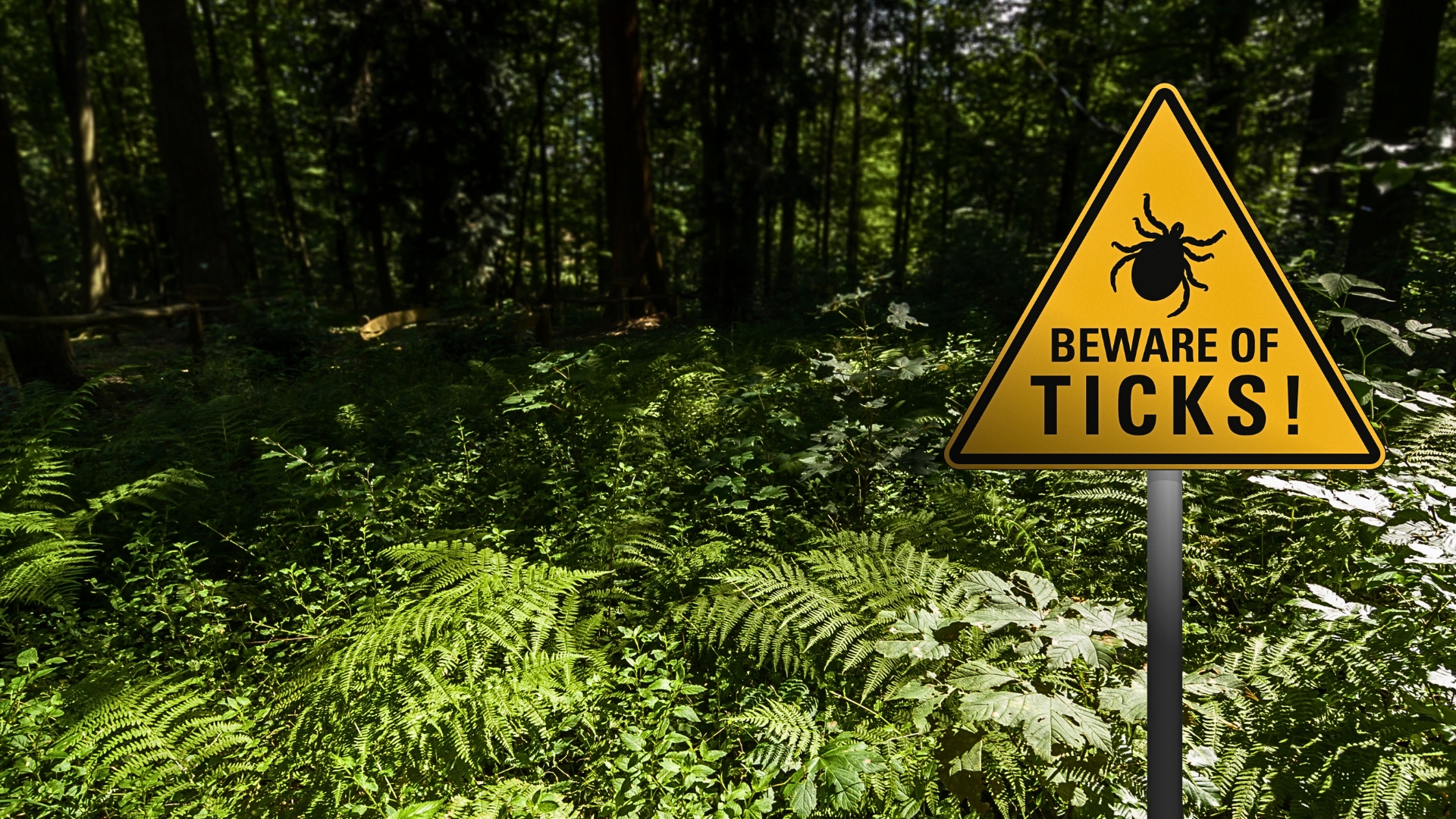
beware of Ticks sign on display

From Early Spring Through Late Fall

From early spring through late fall, tick activity across Georgia intensifies—particularly among blacklegged ticks (Ixodes scapularis), the species known for transmitting Lyme disease. As temperatures rise and humidity increases, adult ticks become increasingly active in search of hosts. Areas with dense ground cover, leaf litter, shaded tree lines, and brush common throughout Brookhaven, Decatur, Druid Hills, College Park, East Point, and surrounding Downtown Atlanta communities provide ideal habitats for these pests.

Recent observations show that the Atlanta area’s generally mild winters and steady rainfall can extend the traditional tick season. Even brief warm spells in late winter may trigger early activity, contributing to higher population levels by the height of summer.
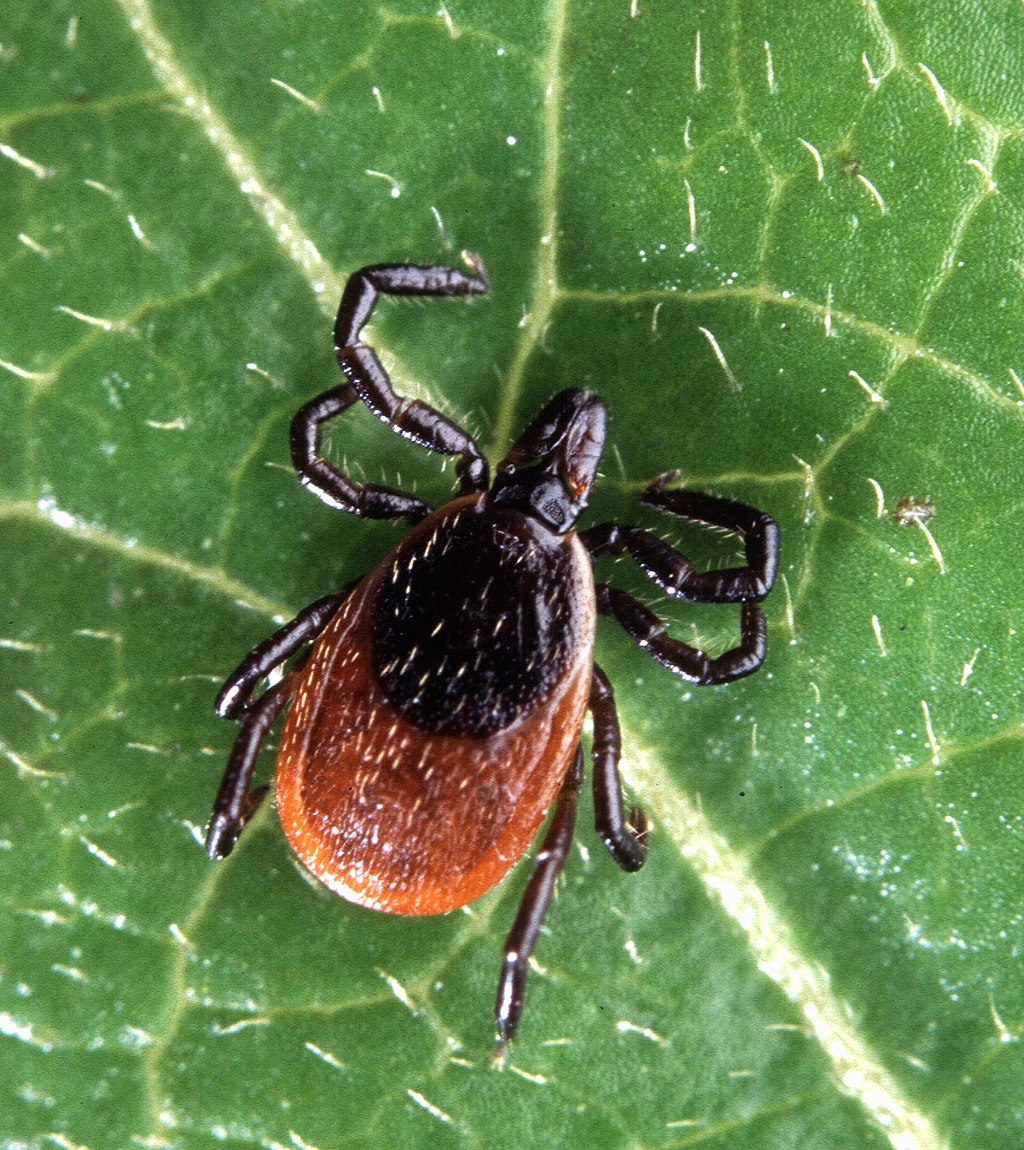
Deer Ticks (Black-legged Ticks)

Seasonal Patterns of Tick Activity in downtown Atlanta

Early Spring (March–May)
Ticks become increasingly active as temperatures steadily rise and humidity builds. Nymphs are especially active by mid-to-late spring and represent the stage most likely to transmit disease due to their small size and ability to go unnoticed.

Summer (June–August)
Peak activity aligns with Atlanta’s hot, humid summer conditions. Ticks thrive in shaded, wooded areas, neighborhood green spaces, and properties with dense landscaping. Periodic rainstorms and sustained moisture help maintain ideal conditions for survival and reproduction.

Autumn (September–November)
Adult ticks remain active well into fall, continuing to seek hosts as long as temperatures stay mild. Leaf accumulation, thick ground cover, and lingering warmth make fall yard maintenance important for reducing tick habitat.

Winter (December–February)
While activity slows during cooler periods, Atlanta’s generally mild winters mean ticks may remain active during warmer stretches. Sunny winter days can prompt movement, particularly in protected areas beneath leaves, pine straw, or mulch, extending the overall activity window compared to colder northern regions.
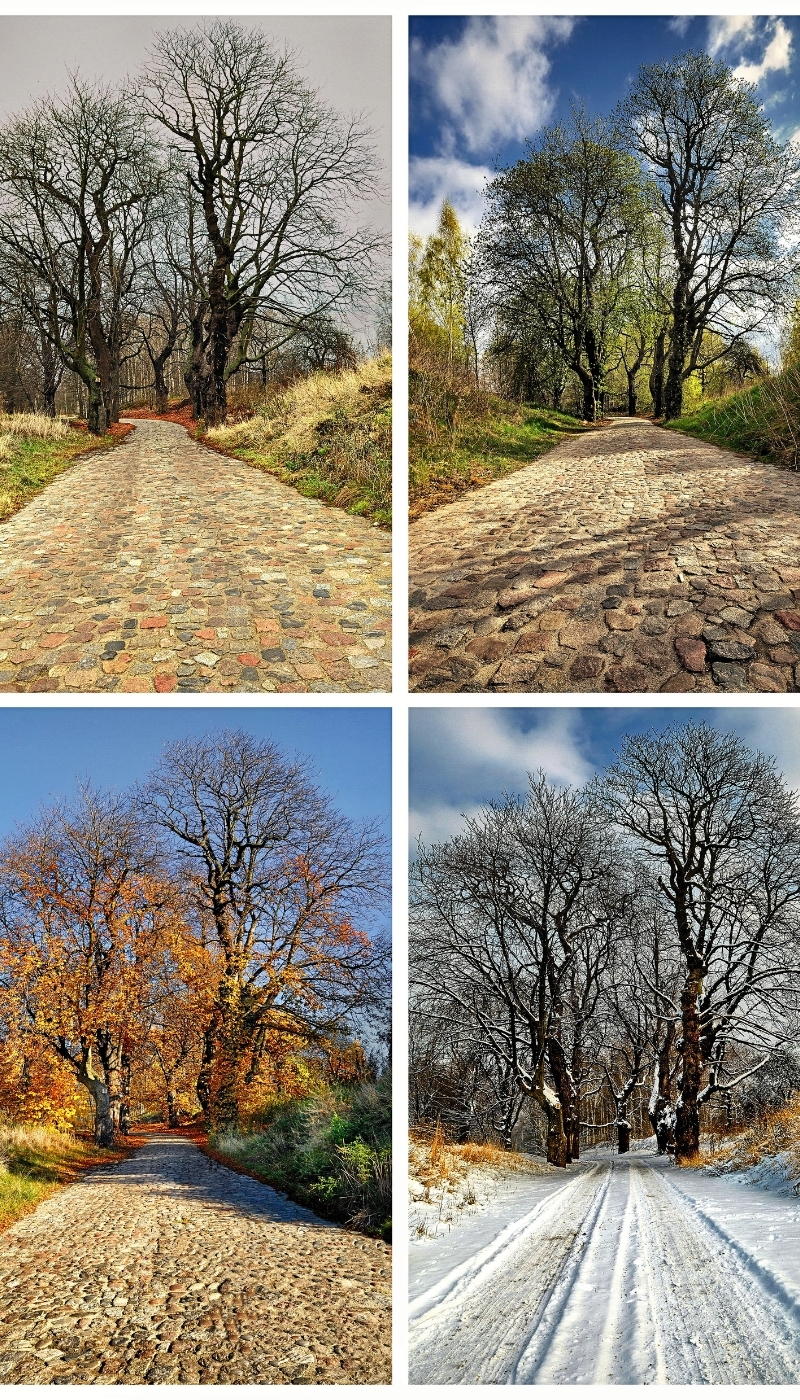
Weather impact to mosquito populations seasonal perspective East Coast photo vertical layout

3 easy steps to backyard bliss

Win the backyard battle this year.

    Do you agree to receive text messages from Heaton Mosquito Control Inc dba Mosquito Shield of Downtown Atlanta sent from 678-664-3040? Message frequency may vary. Standard messaging and data rates apply. Text STOP to opt-out at any time. Text HELP for support or contact us. Privacy Policy/TOS.
    Yes, I agree to receive text messages from 678-664-3040
    No, I do not want to receive text messages from Mosquito Shield.

    See our Privacy Policy/TOS for details on how we handle your information.

    1. 1

      Request Your Free Quote

      We’re out to kill mosquitoes, not your budget. We’ll be upfront about all costs, and you’ll know exactly what payments will look like before you start. Speak to one of our professionals today about getting a quote for your property.
    2. 2

      Schedule Your Service

      Once you’ve received a quote, you can move forward and begin seeing a difference with our services. Any mosquitoes in the area will be killed on contact and a barrier created to deter new mosquitoes from coming in. It takes less than 48 hours to notice a difference.
    3. 3

      Get Back Outside

      You no longer have to wonder what life would be like without mosquitoes. Go back to enjoying any and all outdoor activities without unwanted guests. Taking care of mosquitoes on your property has never been easier.

    Frequently Asked Questions

    01. What other insects will this affect?
    We use a control product so other insects present when and where we spray may be impacted.

    However, our formula was specifically engineered for mosquitoes so it won’t repel any other insects as it does mosquitoes.
    02. Will your product work after storms?
    Yes, we have specifically engineered our formula to outlast storms. With a special polymer layer that provides weather resistance, our formula will remain effective.
    03. Is there any environment you cannot treat?
    Yes, there are some areas we won’t spray to avoid the surrounding environments. Pools, natural water sources, vegetable gardens, and artificial water sources complete the list.

    Because water could easily spread the insecticides, we never directly apply our product to it. However, the rest of the property can still be sprayed and it will drastically reduce the population of mosquitoes.
    04. Does this product work on all mosquitoes and ticks ?
    Yes, we target aspects of mosquitoes and ticks that don’t change from species to species.

    The killing and repelling aspects of our product will work on any species of mosquitoes and ticks .
    05. What about my children and pets?
    Pets and children should be inside during each application. However, they can re-enter the property once the product has dried, roughly 10-15 minutes. At that point, there are no restrictions until the next application.
    06. When can I start to see the effects?
    Every yard is different but you should notice a dramatic reduction within 24-48 hours of the initial spray.

    With each subsequent treatment, the results continue to improve, allowing you to enjoy time outside without being chased in by swarms of mosquitoes.
    07. Why do we see more mosquitoes after it has rained?
    Mosquitoes are more abundant after it rains because standing water is where they breed.

    Adult, female mosquitoes will lay their eggs in water. Once fully submerged, the countdown begins and the eggs can hatch in as little as a few days.

    Shield Your Yard Now