Downtown Atlanta’s warm, humid climate can keep mosquitoes active for much of the year, especially when spring rain and summer storms leave water behind in the places it’s easiest to miss.
The mix of rising humidity, frequent downpours, and long warm stretches creates ideal breeding conditions—particularly in storm drains, catch basins, clogged gutters, shaded courtyards, and small containers around homes and buildings.
Understanding how Downtown Atlanta’s seasonal weather patterns influence mosquito behavior helps residents and property owners time prevention steps and stay ahead of the biggest surges in activity.

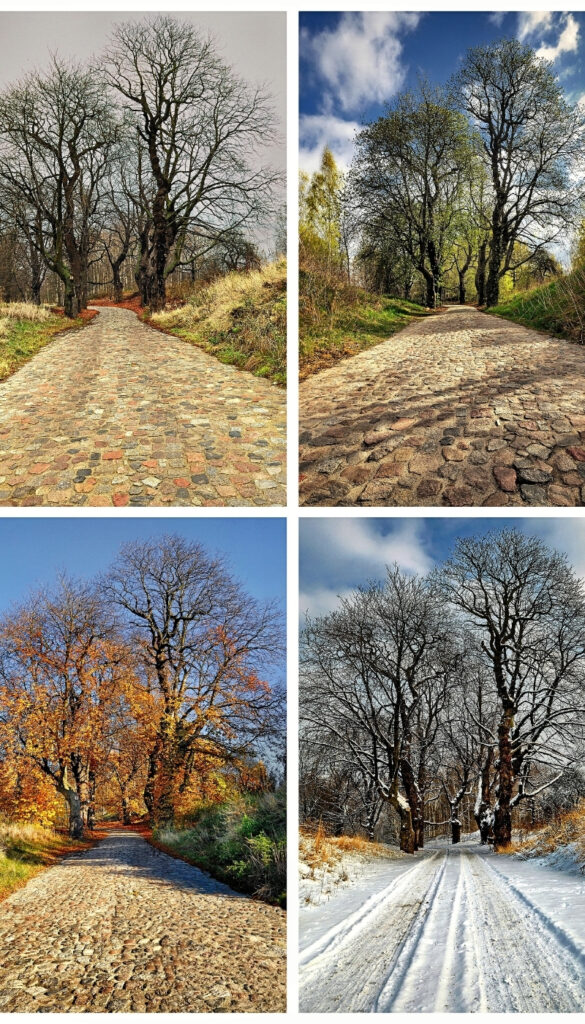
Spring (March–May)
Spring marks the start of mosquito season in Downtown Atlanta. As temperatures rise and humidity builds, overwintering eggs begin to hatch and activity ramps up.
Spring rain fills catch basins, storm drains, and low spots, and it can expose problem areas like clogged gutters and poor drainage around buildings.
Planters, small containers, and puddled hardscapes become early hotspots for day-biting species like Aedes albopictus.
Summer (June–August)
Summer brings peak mosquito activity. Heat and humidity accelerate growth cycles, allowing larvae to mature into adults in as little as 5–7 days.
Afternoon thunderstorms followed by warm evenings can trigger fast population spikes.
Shaded pockets—courtyards, alleyways, dense landscaping, and areas with persistent dampness—stay active well into the night.
Night-biting Culex species become more noticeable from dusk through early morning during mid-to-late summer.
Early Fall (September–October)
Mosquito pressure often stays high into fall due to lingering warmth and humidity.
Late-season rain can drive temporary rebounds, especially where drainage issues persist.
As nights cool, mosquitoes may feed more aggressively before colder weather gradually reduces survival.
Winter (November–February)
Cold snaps reduce visible mosquito activity, but the season doesn’t fully eliminate them.
Eggs from Aedes species can survive in dry containers and hatch quickly during warm spells.
Milder winter stretches can allow limited mosquito activity on warmer days, especially in sheltered areas.