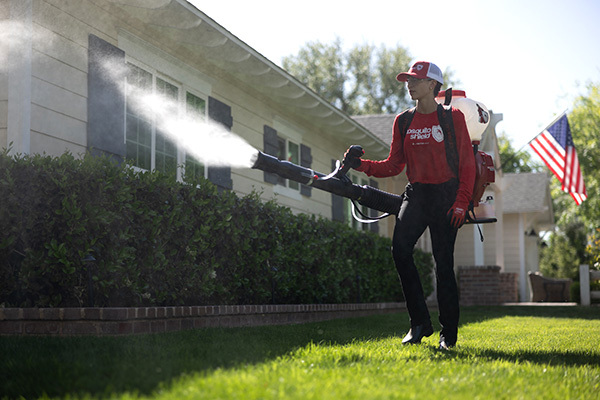
Experience relaxation and peace in your backyard with our proven mosquito control solution. Trusted by families in Ashton Heights, our innovative approach not only repels mosquitoes but also establishes a durable barrier customized to your outdoor environment. Mosquito Shield of Northern Virginia is dedicated to creating mosquito-free zones, so you can enjoy your outdoor spaces without interruption.
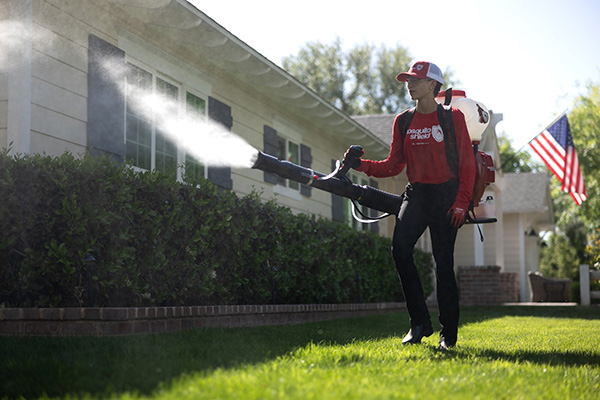
Effective mosquito control in Ashton Heights, VA, that drives mosquitoes away and keeps them out of your yard.

Enjoy mosquito-free outdoor time in Ashton Heights with treatments designed to provide lasting results.
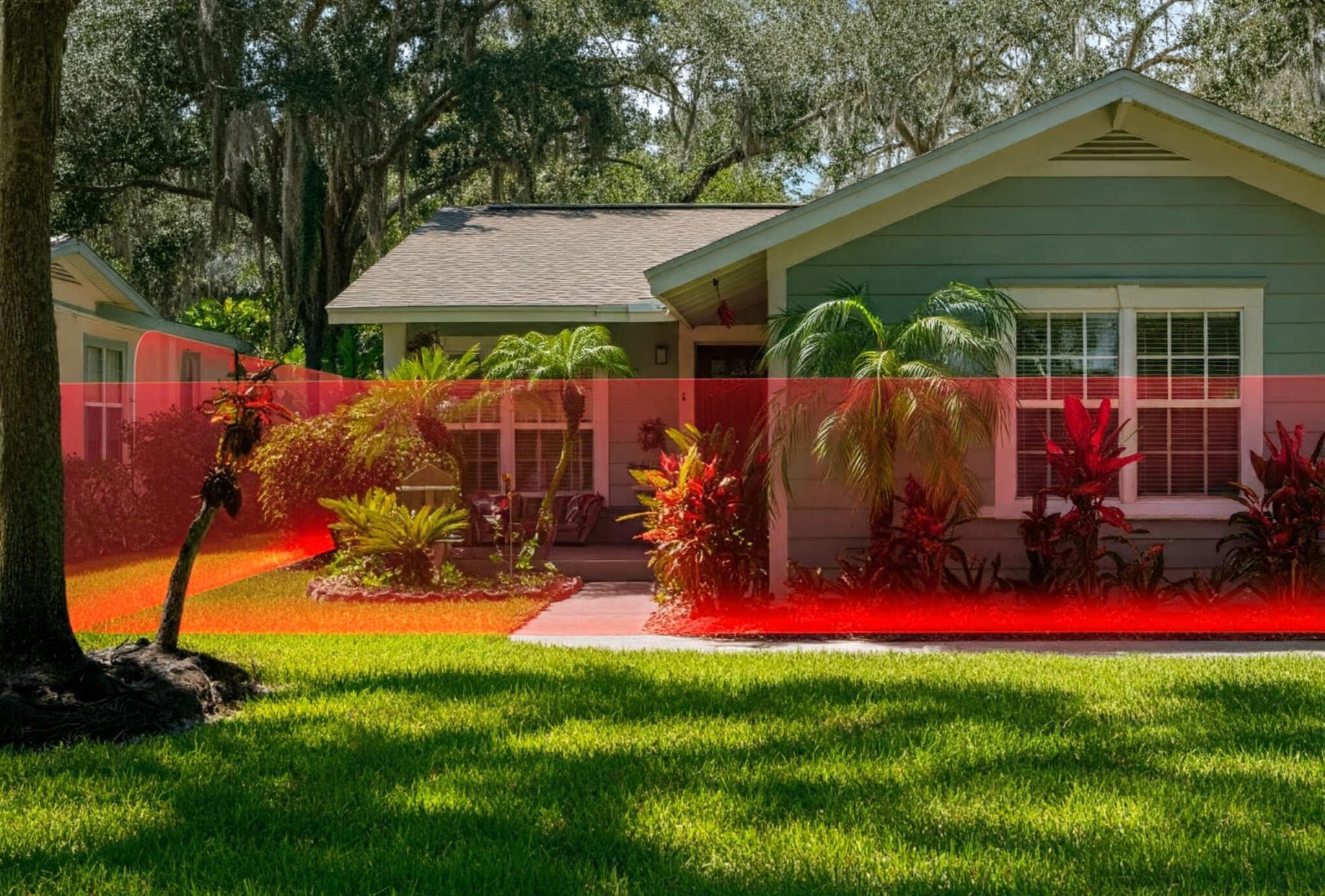
Highly rated mosquito control services in Ashton Heights, trusted by residents to enhance outdoor living.


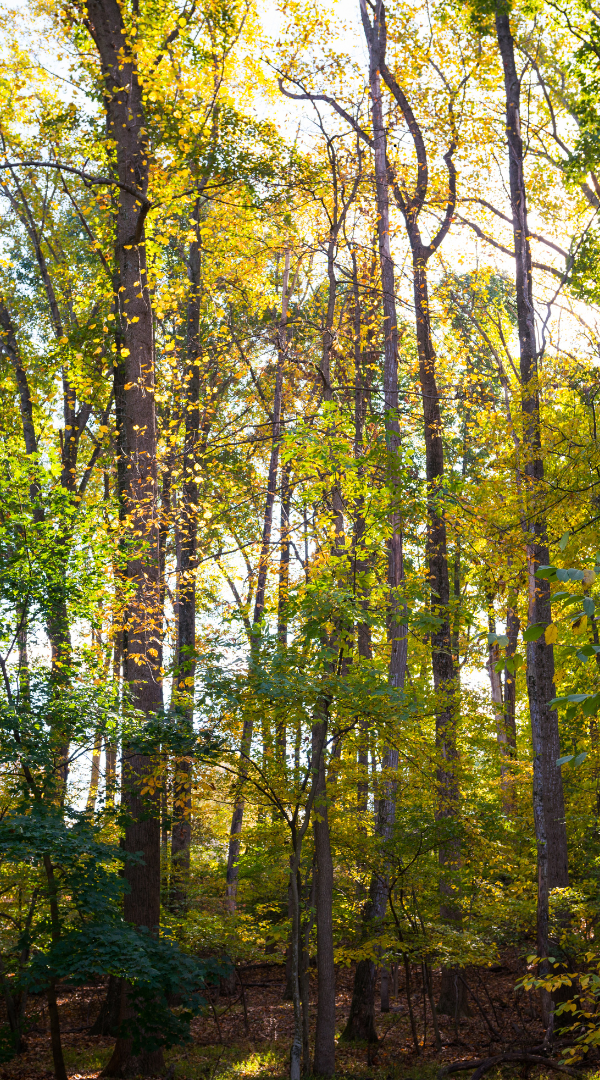
Ashton Heights, Virginia, is an established Arlington neighborhood characterized by mature trees, landscaped yards, residential streets, and nearby parks and green spaces. Its location close to Ballston and Virginia Square gives the area an urban-suburban character, while tree canopy, gardens, rain gardens, and shaded residential properties create pockets of moisture and vegetation throughout the neighborhood. These conditions can support mosquito activity and provide habitat for ticks during Northern Virginia’s warmer months.

Clogged gutters, planters, drainage areas, shaded yard depressions, and other places that hold rainwater can support mosquito breeding, while dense landscaping, leaf litter, shrubs, and shaded property borders can provide cover for ticks.
Residents may face mosquito-borne illnesses such as West Nile Virus, along with tick-borne diseases including Lyme disease and Rocky Mountain Spotted Fever. Preventive steps can help maintain safer and more comfortable yards, patios, gardens, and neighborhood outdoor spaces.
Effective homeowner strategies include:
The weather in Ashton Heights reflects Northern Virginia’s humid seasonal climate, with cool winters, rainy springs, hot summers, and frequent thunderstorms. Mosquito activity generally increases in late spring and remains elevated through summer into early fall, particularly when repeated rainfall leaves water standing around homes and landscaped properties. Ticks may become active during mild spring weather and remain a concern through late autumn in shaded yards and areas with dense vegetation or leaf litter.