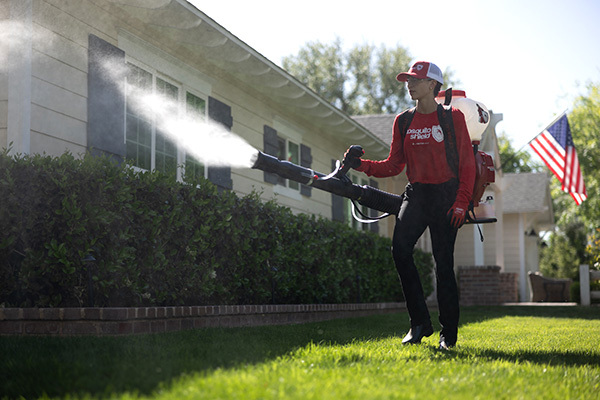
Experience relaxation and peace in your backyard with our proven mosquito control solution. Trusted by families in Belleair Shore, our innovative approach not only repels mosquitoes but also establishes a durable barrier customized to your outdoor environment. Mosquito Shield of Pinellas County is dedicated to creating mosquito-free zones, so you can enjoy your outdoor spaces without interruption.
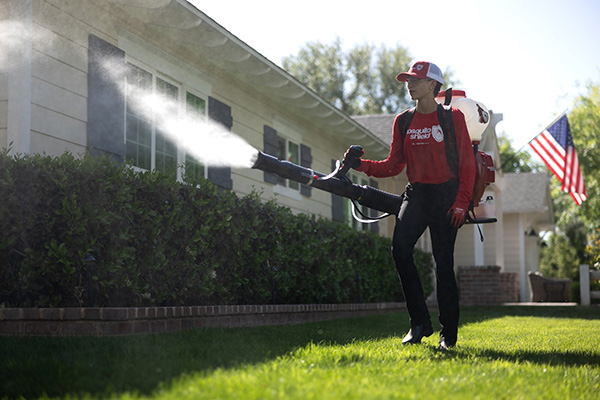
Effective mosquito control in Belleair Shore, FL, that drives mosquitoes away and keeps them out of your yard.

Enjoy mosquito-free outdoor time in Belleair Shore with treatments designed to provide lasting results.
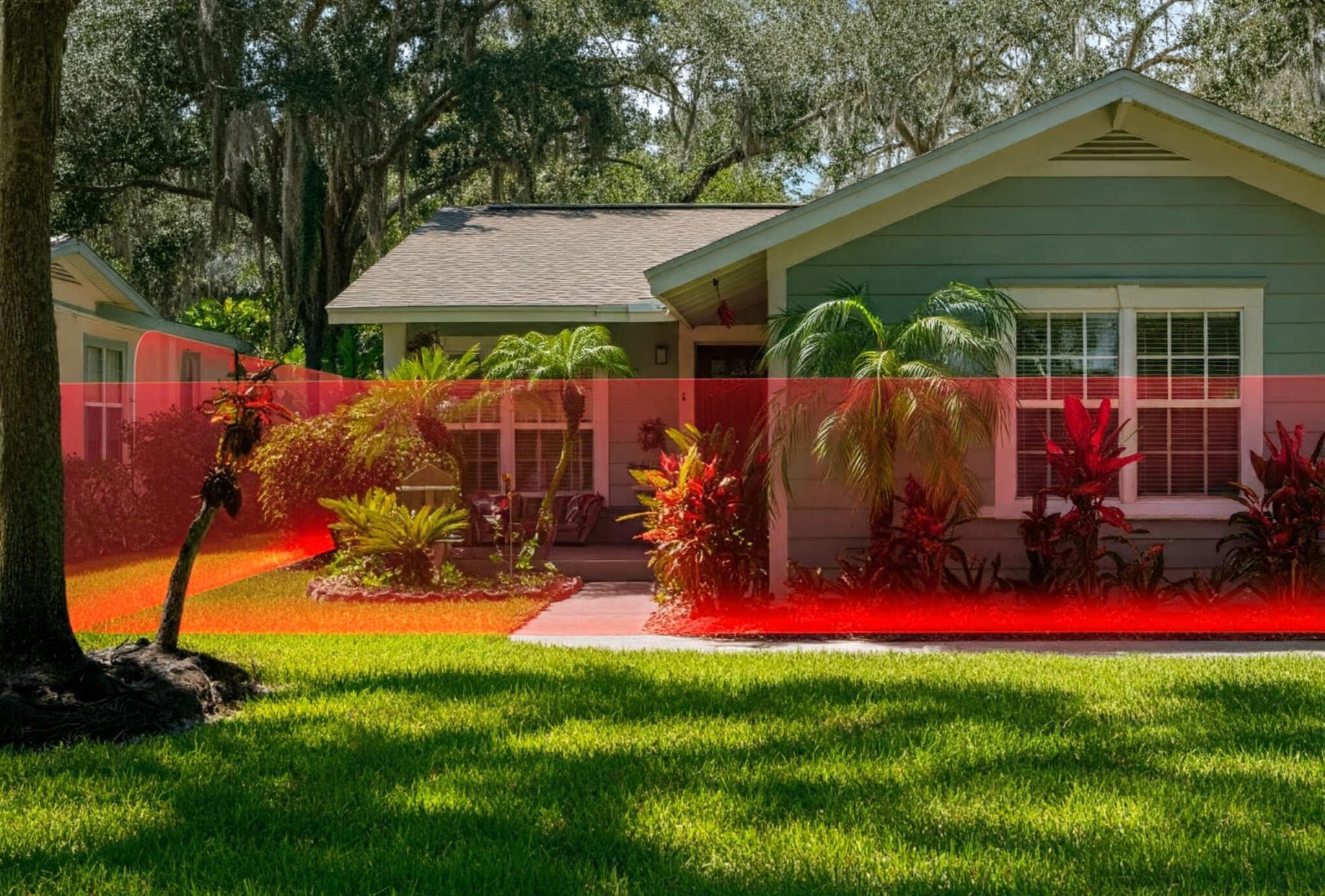
Highly rated mosquito control services in Belleair Shore, trusted by residents to enhance outdoor living.


Belleair Shore, Florida, is a tiny Gulf-front town in Pinellas County located on the barrier island of Sand Key between Belleair Beach and Indian Rocks Beach. The community consists entirely of private homes set along the Gulf of Mexico, with dune-backed beaches, landscaped yards, and a single row of residences west of Gulf Boulevard. With its low elevation, coastal setting, and humid subtropical climate, Belleair Shore provides conditions that support mosquito and tick activity through much of the year.

Shaded patios, landscaped beds, small courtyards, and roadside drainage swales create environments where mosquitoes breed, while ornamental plantings and brushy property edges offer cover where ticks can thrive during warm and rainy months.
Residents may face mosquito-borne illnesses such as West Nile Virus and Eastern Equine Encephalitis, along with tick-borne diseases including Lyme disease and Rocky Mountain Spotted Fever. Preventive steps help maintain safer outdoor areas and reduce pest activity around homes, walkways, and beachfront access points.
Effective homeowner strategies include:
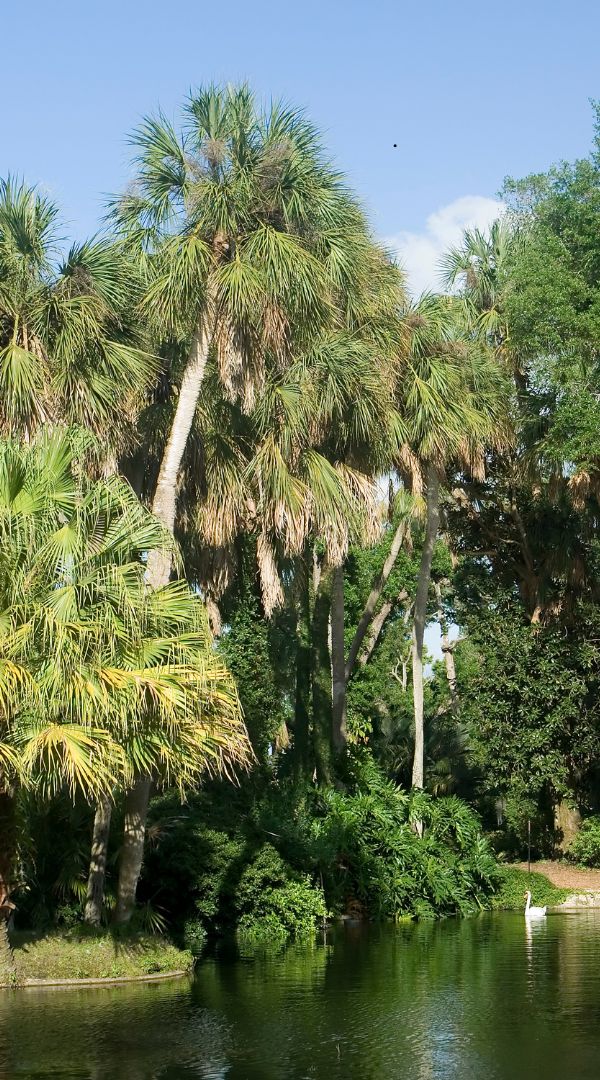
The weather in Belleair Shore reflects the Tampa Bay area’s coastal humid subtropical climate, with long, hot, humid summers and generally mild winters moderated by Gulf breezes. Mosquito activity typically begins in early spring and remains high through late fall, with sharp increases after afternoon thunderstorms or tropical systems. Ticks may stay active year-round in sheltered, moist areas with sufficient vegetation.