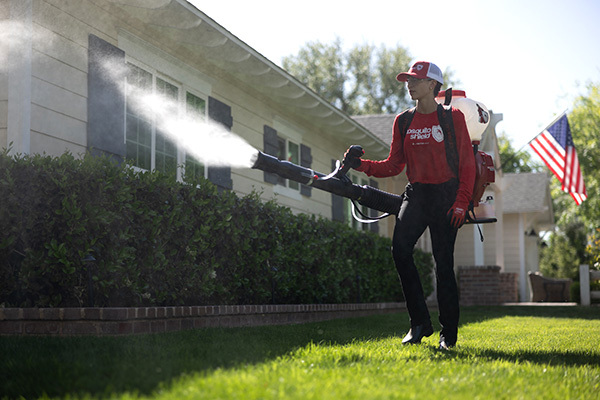
Experience relaxation and peace in your Suffield backyard with our proven mosquito control solution. Trusted by families in Suffield, our innovative approach not only repels mosquitoes but also establishes a durable barrier customized to your outdoor environment. Mosquito Shield of Western Massachusetts is dedicated to creating mosquito-free zones, so you can enjoy your outdoor spaces without interruption.
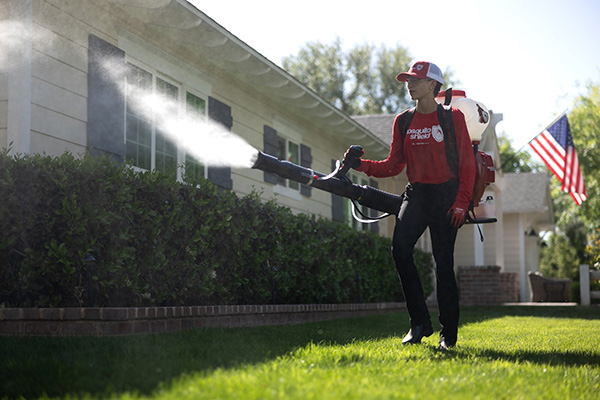
Effective mosquito control in Suffield, that drives mosquitoes away and keeps them out of your yard.

Enjoy mosquito-free outdoor time in Suffield with treatments designed to provide lasting results.

Highly rated mosquito control services in Suffield, trusted by residents to enhance outdoor living.


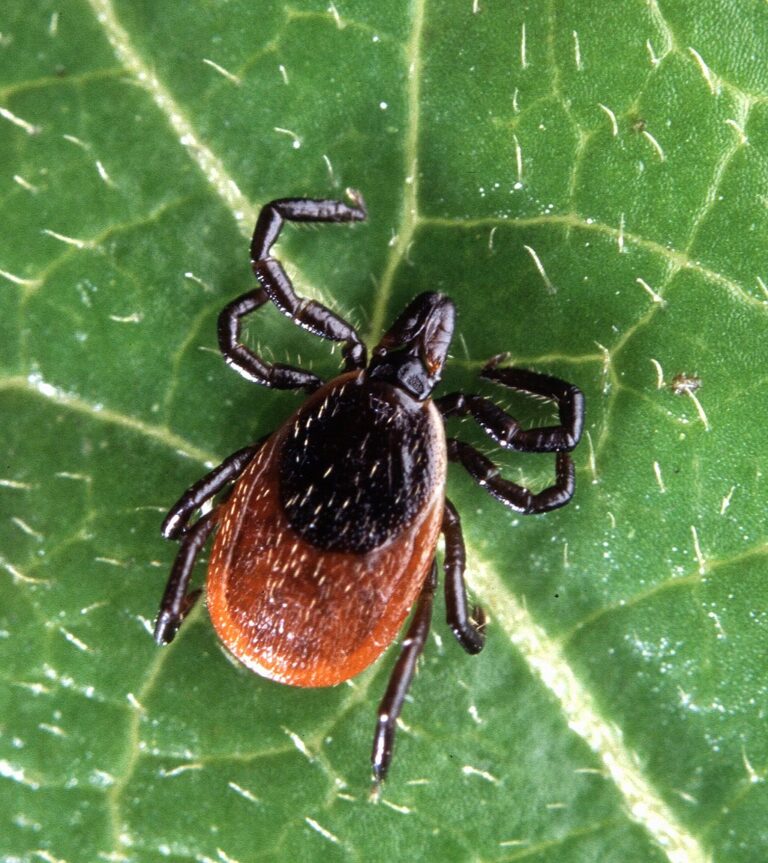
Deer ticks are widespread across Western Massachusetts—especially in the Berkshires, wooded neighborhoods, and along the Connecticut River Valley. Females have a reddish body and a dark shield-like scutum behind the head. Nymphs are tiny and hard to spot, but both life stages can spread Lyme disease, babesiosis, and anaplasmosis. Found in shaded yards, leaf litter, and wooded trails, these ticks are active even in cool weather.
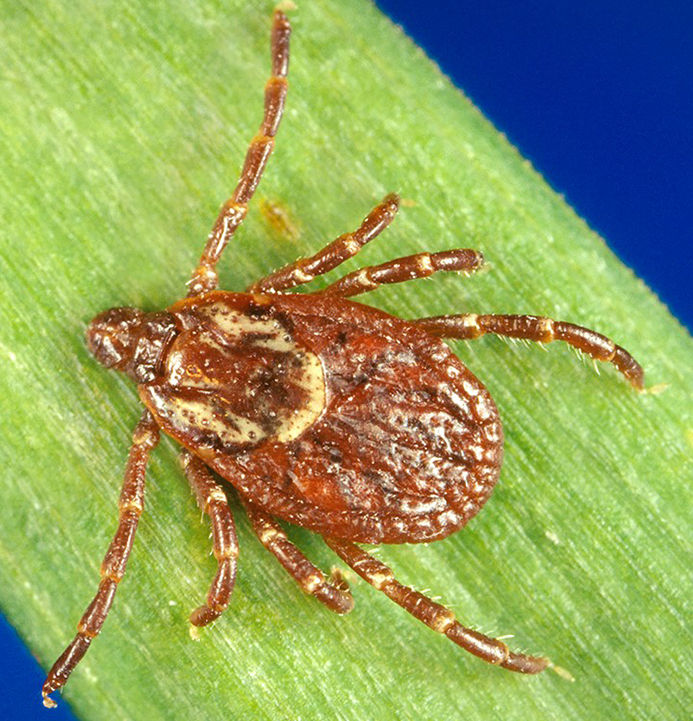
Easily found along hiking trails, meadows, and in open, sunny yards. Adult wood ticks are larger than deer ticks with distinctive brown and white patterning. Active from late spring through summer, they don’t spread Lyme disease but can carry Rocky Mountain spotted fever and tularemia. Their bites can also lead to irritation or secondary infections.
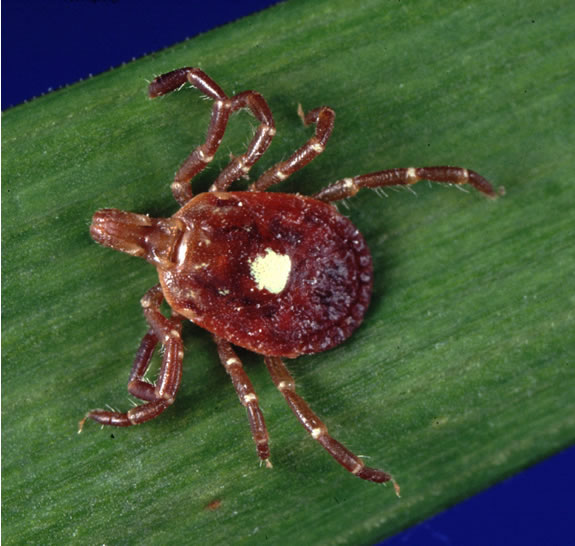
Less common but increasing in presence throughout southern and central Western Massachusetts. Females sport a distinctive white spot on their backs. These ticks prefer moist woodlands and brushy areas and can transmit ehrlichiosis and southern tick-associated rash illness (STARI). Known for aggressive host-seeking behavior, they’re a rising concern for hikers and pet owners in the region.
Suffield, Massachusetts, is a charming town in the Pioneer Valley, known for its historic appeal, lush landscapes, and close-knit community. With attractions like the Suffield Wildlife Management Area, Congamond Lakes, and nearby walking trails, Suffield offers residents and visitors endless opportunities for outdoor recreation. However, the combination of wetlands, wooded areas, and residential greenery creates ideal conditions for mosquito and tick activity, especially during the warmer months.
Suffield’s mix of water features, shaded trails, and scenic neighborhoods provides an environment where mosquito populations can thrive.
Health concerns in Suffield include mosquito-borne illnesses such as West Nile Virus and Eastern Equine Encephalitis (EEE), as well as tick-borne diseases like Lyme disease. These challenges underscore the importance of proactive pest management to ensure the health and safety of the community.
To address these challenges, Suffield has adopted measures such as:
As a trusted mosquito control company, we work closely with Suffield residents to reduce mosquito activity through proven treatments and expert advice. Regular professional mosquito treatments, paired with community-led initiatives, are essential to preserving Suffield’s charm and ensuring it remains a safe and enjoyable place to live, work, and play.

The weather in Suffield, Massachusetts, plays a significant role in seasonal mosquito and tick activity. Warm, humid summers provide ideal breeding conditions for mosquitoes, especially after heavy rains that leave standing water. Ticks are most active during spring and fall, thriving in the area’s moderate temperatures and abundant vegetation. While Suffield’s cold winters offer some relief from pests, the spring thaw often results in increased mosquito activity as water collects in wetlands and low-lying areas.

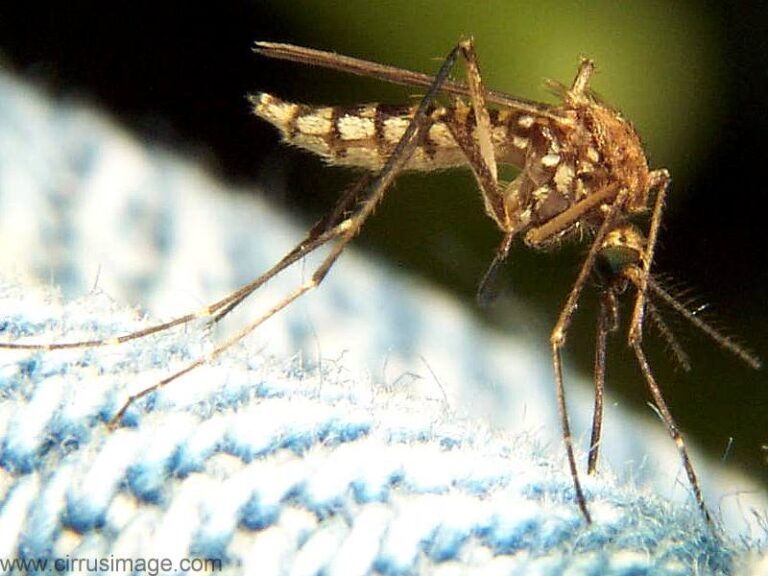
Identification: Brownish mosquito with white banding on legs and abdomen.
Habitat: Thrives in flood-prone areas—riverbanks, floodplains, and roadside ditches after heavy rain.
Behavior: Fierce biter, especially in early morning and at dusk.
Health Risks: While not a major disease vector, it contributes significantly to nuisance biting throughout the region.
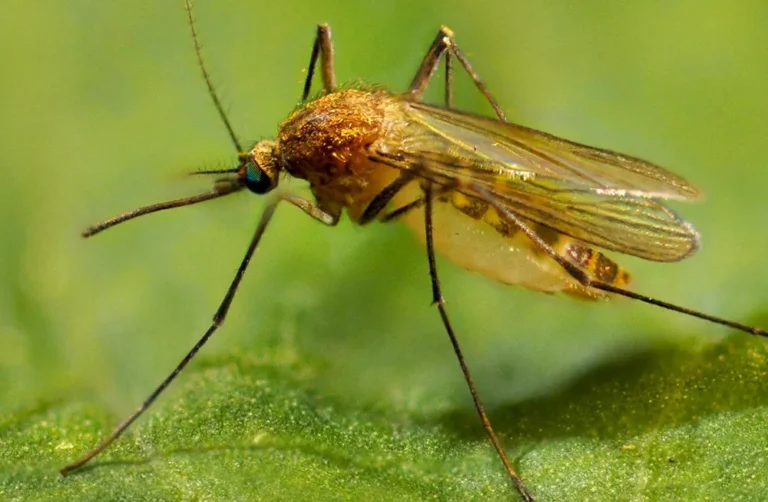
Identification: Dull brown with pale bands on the abdomen and unremarkable legs.
Habitat: Common in stagnant water—clogged gutters, storm drains, and abandoned containers.
Behavior: Primarily nocturnal; bites late evening through dawn.
Health Risks: Can transmit West Nile virus and St. Louis encephalitis.
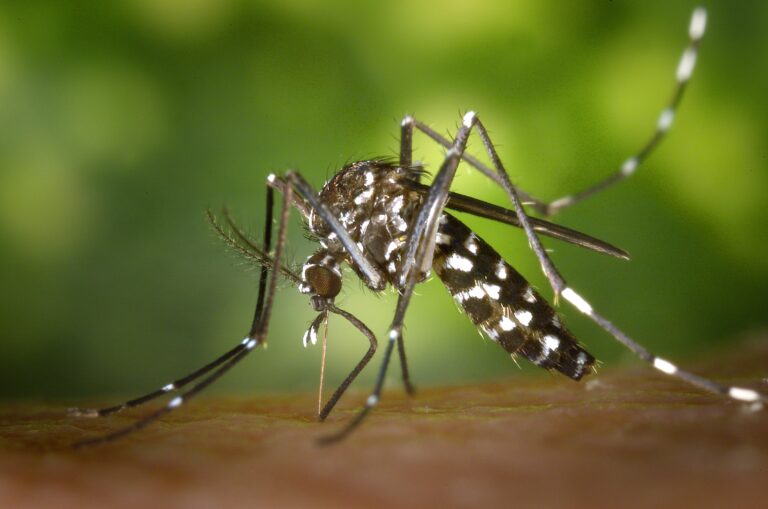
Identification: Striking black body with a bold white stripe down the back and banded legs.
Habitat: Found in residential areas, especially near containers and shaded vegetation.
Behavior: Daytime biter; highly aggressive.
Health Risks: Potential carrier of Zika virus, dengue, and chikungunya, though less commonly reported in New England.

Identification: Slender with dark wings and long legs; rests with body at an angle.
Habitat: Clean, slow-moving water—streams, marsh edges, and beaver ponds.
Behavior: Most active at dawn and dusk.
Health Risks: Historically associated with malaria; today it’s mainly a nuisance biter in rural and semi-rural parts of Western Mass.
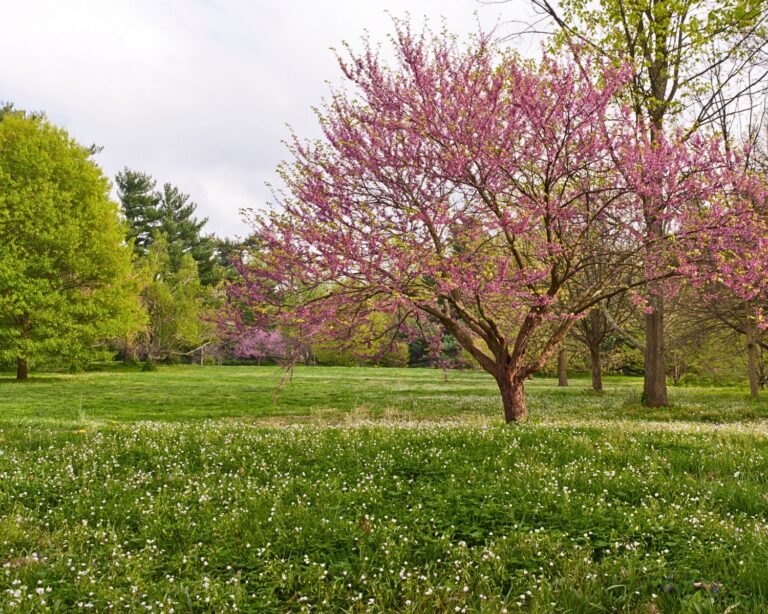
Key Activity: As snowmelt and spring rains return, mosquito season begins.
Breeding: Pools left by snowmelt and rain become hotspots, especially near forest edges and flood zones.
Common Species Active: Aedes vexans and Culex pipiens emerge early.
Behavior: Biting starts in the late afternoon and evening, particularly in low-lying areas.

Key Activity: Peak mosquito activity during humid Western Mass summers.
Breeding: Temporary puddles, woodland pools, and containers quickly become breeding sites.
Common Species Active: Aedes albopictus, Aedes vexans, Culex pipiens all thrive.
Behavior: Biting pressure is highest—day and night activity makes outdoor time challenging without regular treatment.

Key Activity: Activity tapers as temperatures drop, but warm spells keep some species buzzing.
Breeding: Fall rains allow for limited but persistent breeding in shaded, damp areas.
Common Species Active: Culex species remain active into early November.
Behavior: Late-season bites are common near wetlands, trailheads, and shaded backyards.
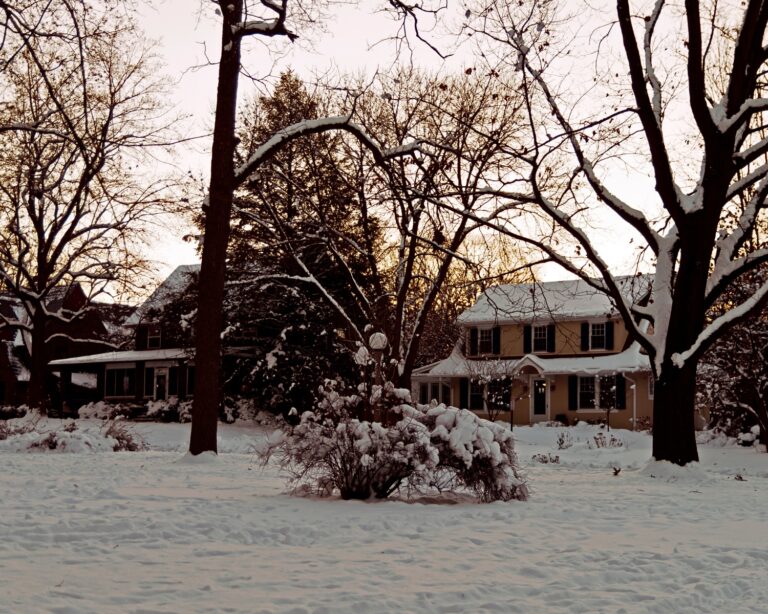
Key Activity: Mosquito activity goes dormant in deep winter.
Eggs: Aedes eggs remain in dry leaf litter and frozen containers, ready to hatch with spring warmth.
Adults: Some Culex overwinter in sheds, barns, and basements.
Behavior: Brief thaws may bring out a few cold-tolerant adults, but biting is rare.