When evaluating mosquito and tick control for residential properties in the Piedmont region, it is critical to understand the mechanical and chemical limitations of consumer-grade products. While off-the-shelf sprays and foggers can provide temporary knockdown of active adult insects, they consistently fail to disrupt the breeding cycle or provide residual protection.

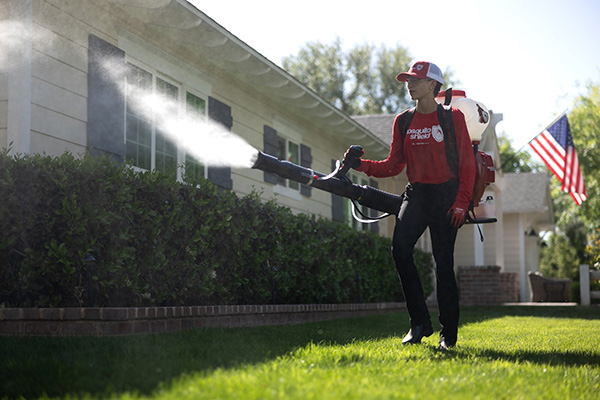
The primary failure point of DIY yard treatments is the delivery mechanism. Effective mosquito and tick control requires penetrating the dense foliage where these pests harbor during the heat of the day.

Targeting adult mosquitoes is only one phase of population control. True suppression requires interrupting the larval cycle, which requires an understanding of local vector biology.
The Asian Tiger Mosquito (Aedes albopictus), Wake County’s most aggressive daytime biter, is a container-breeding species. A female needs less than a bottle cap of water to deposit hundreds of eggs.
Homeowners typically spray the lawn, but ignore the structural harborages where the actual breeding occurs. Professionals systematically treat specific micro-habitats that DIY approaches miss: