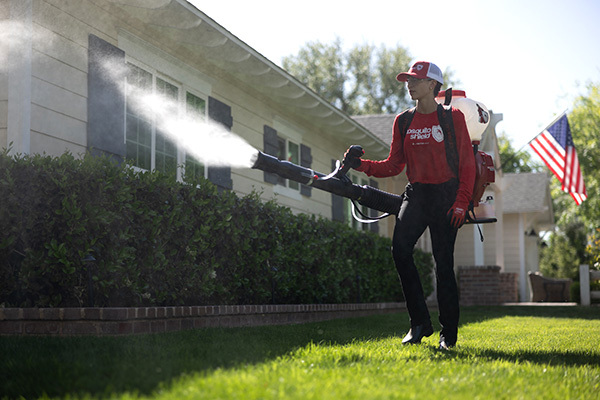
Experience relaxation and peace in your backyard with our proven mosquito control solution. Trusted by families in Nesconset, our innovative approach not only repels mosquitoes but also establishes a durable barrier customized to your outdoor environment. Mosquito Shield of Suffolk County is dedicated to creating mosquito-free zones, so you can enjoy your outdoor spaces without interruption.
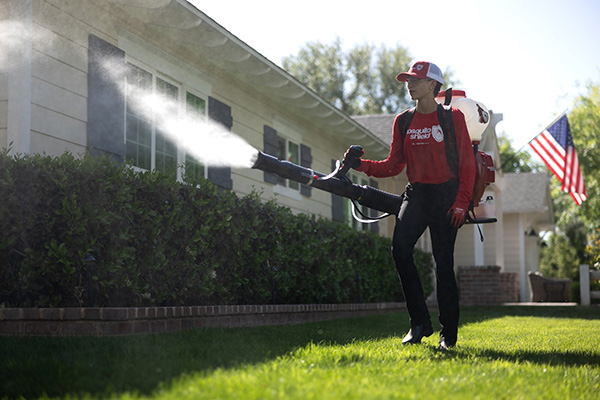
Effective mosquito control in Nesconset, NY, that drives mosquitoes away and keeps them out of your yard.

Enjoy mosquito-free outdoor time in Nesconset with treatments designed to provide lasting results.

Highly rated mosquito control services in Nesconset, trusted by residents to enhance outdoor living.


Nesconset, New York, is a suburban hamlet in the Town of Smithtown in central Suffolk County. Tree-lined neighborhoods and local shopping corridors along Smithtown Boulevard and Middle Country Road are interspersed with small parks and school fields. Nearby Gibbs Pond Park and the surrounding lake, along with close access to the Lake Ronkonkoma area, create a landscape where mosquitoes and ticks can remain active through much of the warmer season.

Shaded backyards, pond margins, roadside ditches, and stormwater basins provide environments where mosquitoes breed, while wooded lot lines and brushy property borders offer cover where ticks can thrive during warm and rainy months.
Residents may face mosquito-borne illnesses such as West Nile Virus and Eastern Equine Encephalitis, along with tick-borne diseases including Lyme disease and Rocky Mountain Spotted Fever. Preventive steps help maintain safer outdoor areas and reduce pest activity around homes, schoolyards, and neighborhood parks.
Effective homeowner strategies include:

The weather in Nesconset reflects Long Island’s coastal Mid-Atlantic climate, with cold, occasionally snowy winters, wet springs, and warm, often humid summers. Mosquito activity typically increases in late spring and remains elevated through early fall, especially after heavy rain that leaves ponds, basins, and roadside depressions holding water. Ticks can be active from early spring into late autumn where vegetation and leaf litter stay shaded and moist.